
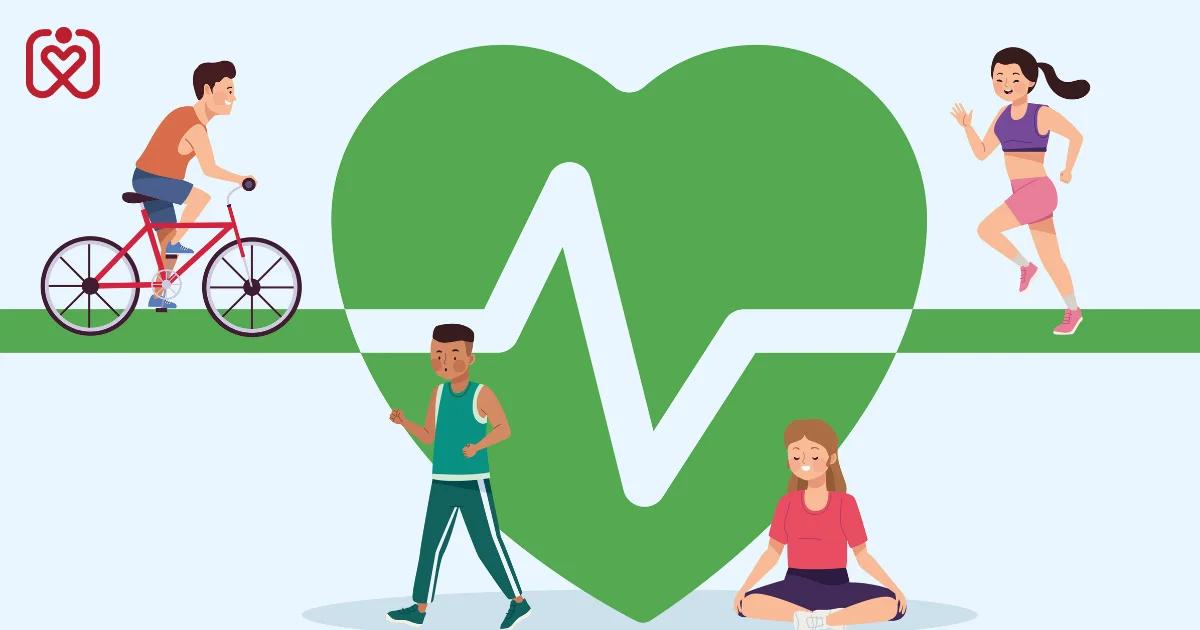


Regular exercise is one of the best things you can do for your heart. But when someone trains intensely for years especially competitive athletes the heart itself can change. These changes often raise concern when seen on medical tests and lead many people to ask an important question: Is Athlete’s Heart harmful, or is it a normal response to fitness?
This blog explains Athlete’s Heart in simple language, clears common fears, and helps you understand when these changes are normal and when they need medical attention.
What Is Athlete’s Heart?
Athlete’s Heart refers to natural changes that happen in the heart of people who do long-term, high-intensity physical training. These changes allow the heart to pump blood more efficiently during exercise.
Key points to understand:
- It is not a disease
- It develops gradually due to regular intense training
- It is commonly seen in endurance athletes and competitive sports players
- The heart adapts to meet higher oxygen and blood demands
This condition is often discovered during routine health checks, ECGs, or heart scans done for sports fitness clearance.
Why Does the Heart Change With Intense Exercise?
When you exercise hard and regularly, your muscles need more oxygen-rich blood. To keep up, the heart adapts in healthy ways.
These adaptations include:
- Stronger heart muscles
- Ability to pump more blood with each beat
- Slower resting heart rate
- Improved circulation
Think of it like any other muscle in the body the more you train it safely, the stronger it becomes.
Learn More About Aortic Dissection: The Rapid, Silent Emergency Everyone Should Know
Common Heart Changes Seen in Athletes
Doctors may notice certain physical and electrical changes in an athlete’s heart. These can look worrying at first but are often harmless.
Structural Changes
- Slight increase in heart chamber size
- Mild thickening of heart walls
- Better ability to stretch and fill with blood
Functional Changes
- Lower resting heart rate
- Increased stroke volume (blood pumped per beat)
- Faster recovery after exercise
Electrical Changes
- ECG changes that look abnormal but are common in trained athletes
- Slower electrical signals due to higher efficiency
These changes usually improve or reverse if training intensity is reduced.
Who Is Most Likely to Develop Athlete’s Heart?
Athlete’s Heart is more common in people who:
- Train for endurance sports like running, cycling, swimming
- Play competitive sports regularly
- Exercise intensely for more than 5-6 hours a week
- Have been training for many years
It is less common in people who exercise moderately for general fitness.
Is Athlete’s Heart Dangerous?
In most cases, Athlete’s Heart is not dangerous. It is considered a healthy adaptation.
However, the concern arises because its features can sometimes look similar to serious heart conditions. This is why proper evaluation is important.
Generally:
- It does not increase heart attack risk
- It does not weaken the heart
- It does not shorten life expectancy
For most athletes, it is a sign of a strong and efficient heart.
Learn More About Types of Coronary Artery Disease: A Complete Guide
Athlete’s Heart vs Heart Disease: Why Doctors Are Careful
Some heart conditions can look similar to Athlete’s Heart on scans or ECGs. The most important one is Hypertrophic Cardiomyopathy (HCM), which can be dangerous.
Doctors differentiate by checking:
- Family history of heart disease or sudden death
- Symptoms like fainting or chest pain
- Heart thickness patterns
- Heart function during rest and exercise
- Response after reducing training
This careful evaluation helps avoid misdiagnosis and ensures safety.
Symptoms That Should Never Be Ignored
Athlete’s Heart itself usually causes no symptoms. If symptoms appear, they may signal an underlying problem.
Seek medical help if an athlete experiences:
- Chest pain during exercise
- Unexplained fainting or dizziness
- Shortness of breath beyond normal exertion
- Palpitations or irregular heartbeat
- Extreme fatigue
These signs should always be evaluated, regardless of fitness level.
How Is Athlete’s Heart Diagnosed?
Doctors use a combination of tests to confirm whether heart changes are due to training or disease.
Common tests include:
- ECG (electrocardiogram)
- Echocardiogram (heart ultrasound)
- Exercise stress testing
- Cardiac MRI (if needed)
- Blood pressure and fitness assessment
In some cases, temporary reduction in training helps clarify the diagnosis.
Can Athlete’s Heart Be Prevented?
Athlete’s Heart is not something that needs prevention, as it is not harmful by itself. However, smart training habits are essential.
Healthy practices include:
- Gradually increasing training intensity
- Taking rest and recovery seriously
- Avoiding overtraining
- Staying hydrated and nourished
- Getting regular health check-ups
Balanced training protects both performance and long-term heart health.
Learn More About Endometriosis & Heart Disease: The Surprising Link
Should Athletes Stop Training if Diagnosed?
Most athletes do not need to stop exercising.
Doctors may advise:
- Continued training with monitoring
- Adjustments in intensity if needed
- Regular follow-up heart evaluations
Only in rare cases when another heart condition is found are restrictions recommended.
Athlete’s Heart in Young Athletes and Teens
In young athletes, heart screening is especially important because inherited heart conditions may first appear during adolescence.
Parents and coaches should:
- Encourage routine sports medical check-ups
- Report any warning symptoms early
- Avoid pushing children beyond safe limits
Early evaluation saves lives and builds confidence in safe sports participation.
Emotional Impact of a Heart Diagnosis in Athletes
Being told that your heart looks “different” can be stressful. Many athletes fear losing their ability to compete.
It’s important to remember:
- Most findings are harmless
- Evaluation is done for safety, not restriction
- Clear diagnosis often brings peace of mind
Open communication with doctors helps athletes make informed decisions.
When to Consult a Heart Specialist
You should consult a heart specialist if:
- Screening tests show abnormal results
- There is a family history of heart disease
- Symptoms appear during training
- Clearance is required for competitive sports
Early consultation helps rule out serious conditions and ensures safe participation.
Learn More About Understanding Heart Murmurs: Benign or Dangerous?
Conclusion
Athlete’s Heart is usually a sign of dedication, discipline, and physical conditioning not disease. For most people, it reflects a heart that has adapted well to the demands of intense training. The key is understanding the difference between healthy changes and warning signs that need attention.
With proper evaluation, regular monitoring, and smart training habits, athletes can continue to perform at their best while protecting their heart health. Awareness not fear is the foundation of safe and successful athletic performance.
Authoritative References
- Cleveland Clinic - Athlete's Heart
- Wikipedia - Athlete's Heart
- American Heart Association Journals - Athlete's Heart