


Endometriosis is often spoken about as a painful gynaecological condition that affects periods and fertility. But recent research has revealed something unexpected—women with endometriosis may also have a higher risk of developing heart disease later in life.
This connection surprises many patients because the symptoms seem unrelated. One affects the reproductive system, while the other involves the heart. Yet, science now shows that the two may be connected through inflammation, hormonal changes, and long-term stress on the body.
In this blog, we explain the relationship between endometriosis and heart disease in a clear, simple way helping women understand why heart health deserves attention alongside reproductive health.
What Is Endometriosis?
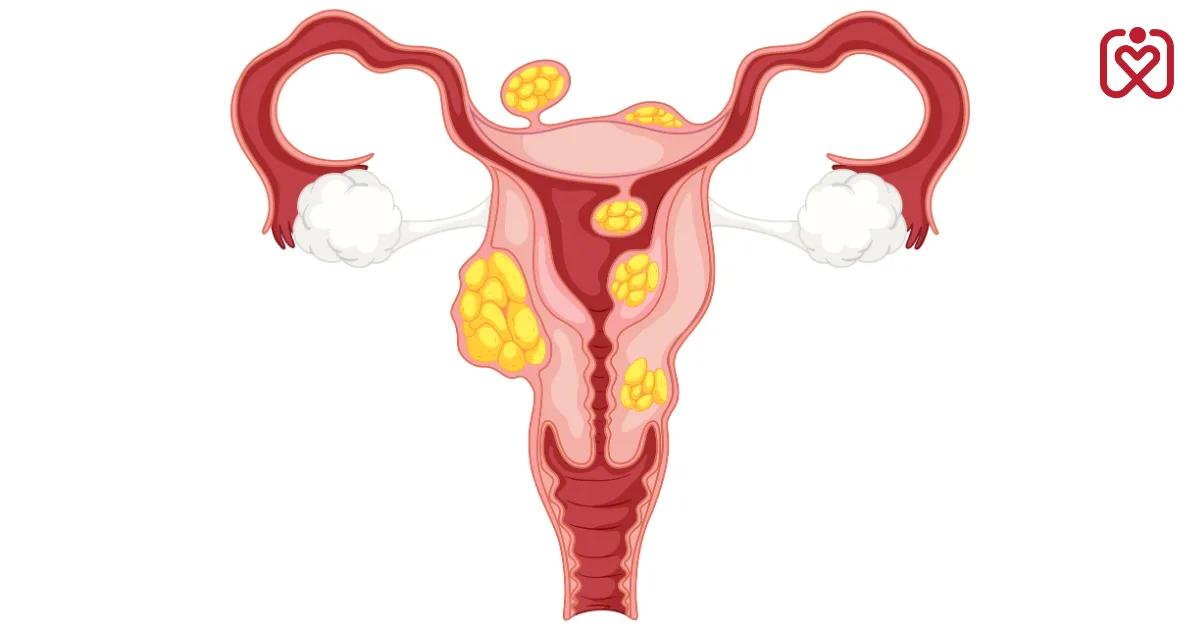
Endometriosis is a condition where tissue similar to the lining of the uterus grows outside the womb. This tissue reacts to hormonal changes and can cause pain and inflammation.
Common Features of Endometriosis
- Painful periods
- Pelvic pain outside menstruation
- Pain during or after intercourse
- Heavy or irregular periods
- Fatigue and bloating
It is a long-term condition that often starts in early adulthood and can last for many years.
Why Are Doctors Talking About Heart Health in Endometriosis?
For a long time, endometriosis was treated only as a reproductive health issue. However, long-term studies have shown that women with this condition may face increased cardiovascular risks.
Why the Link Matters
- Symptoms often begin at a young age
- The condition lasts for decades
- Chronic inflammation affects the whole body
- Hormonal treatments can influence heart risk
Because heart disease develops slowly, the effects may appear years after the initial diagnosis.
What Does Research Say About Endometriosis and Heart Disease?
Large population studies have observed higher rates of heart problems in women with endometriosis compared to those without it.
Key Research Observations
- Higher risk of coronary artery disease
- Increased chances of high blood pressure
- Greater likelihood of abnormal cholesterol levels
- Higher risk seen in women diagnosed at a younger age
The risk does not mean that every woman with endometriosis will develop heart disease but it does mean awareness is important.
How Chronic Inflammation Connects the Two
Inflammation is one of the strongest links between endometriosis and heart disease.
How Inflammation Affects the Heart
- Damages blood vessel lining
- Promotes plaque buildup in arteries
- Reduces blood vessel flexibility
- Increases long-term cardiovascular strain
Endometriosis causes ongoing inflammation, not just in the pelvis but throughout the body, which can silently affect heart health over time.
The Role of Hormones in Heart Risk
Hormones play a central role in both endometriosis and heart function.
Hormonal Factors That Matter
- Estrogen influences blood vessel health
- Hormonal imbalance may affect cholesterol
- Long-term hormone therapy can alter heart risk
Some treatments for endometriosis involve suppressing estrogen, which may have mixed effects depending on duration and individual health.
This makes regular medical follow-up essential rather than self-management.
Does Pain and Stress Play a Role?
Living with chronic pain can take a toll on both emotional and physical health.
How Long-Term Pain Impacts the Heart
- Raises stress hormone levels
- Disrupts sleep patterns
- Increases blood pressure
- Encourages sedentary lifestyle
Stress is a known contributor to heart disease, and unmanaged pain can silently increase that burden.
Are Women With Endometriosis at Risk at a Younger Age?
Yes, and this is a key concern.
Why Early Risk Matters
- Symptoms often start in the 20s or 30s
- Heart disease risk accumulates over time
- Surgical treatments at a young age may influence hormones
- Lifestyle changes may be delayed
This makes early prevention and awareness especially important for long-term heart health.
Does Treatment for Endometriosis Affect the Heart?
Some treatments may indirectly influence cardiovascular risk.
Treatment-Related Considerations
- Long-term hormonal therapy
- Surgical removal of ovaries at a young age
- Reduced physical activity due to pain
These do not automatically cause heart disease, but they highlight the importance of personalized care and regular monitoring.
Symptoms That Should Not Be Ignored
Women with endometriosis should be mindful of heart-related symptoms, even if they seem unrelated.
Warning Signs to Watch For
- Chest discomfort
- Unusual fatigue
- Shortness of breath
- Palpitations
- Dizziness during activity
If these symptoms occur, especially alongside existing risk factors, medical evaluation is important.
How Women With Endometriosis Can Protect Their Heart
The good news is that heart risk can be reduced with proactive steps.
Heart-Healthy Habits That Help
- Regular moderate physical activity
- Anti-inflammatory diet rich in fruits and vegetables
- Stress management through relaxation or mindfulness
- Maintaining a healthy weight
- Regular health checkups
Small, consistent changes over time make a significant difference.
Why a Holistic Approach to Women’s Health Matters
Endometriosis is not just a pelvic condition, it affects the whole body.
Benefits of a Holistic Approach
- Early identification of heart risk
- Better symptom management
- Improved quality of life
- Long-term disease prevention
When gynaecological and heart health are considered together, outcomes improve significantly.
Frequently Asked Questions (FAQs)
1. Does endometriosis directly cause heart disease?
No, but it increases risk factors that can affect heart health over time.
2. Should women with endometriosis get heart checkups earlier?
Yes, especially if other risk factors are present.
3. Can lifestyle changes reduce heart risk in endometriosis?
Absolutely. Diet, exercise, and stress control are very effective.
4. Do all treatments for endometriosis increase heart risk?
No. Risks vary based on treatment type and duration.
5. Is heart disease risk higher after hysterectomy for endometriosis?
Early surgical menopause may increase risk, making follow-up important.
Conclusion
The connection between endometriosis and heart disease highlights an important truth women’s health conditions do not exist in isolation. A disorder that begins with pelvic pain can quietly influence heart health years later through inflammation, hormonal changes, and long-term stress.
Awareness is not about fear, it is about empowerment. By understanding the link, women with endometriosis can take early steps to protect their heart, improve overall health, and reduce future risks.
Heart care should be part of the long-term conversation for every woman living with endometriosis.
Authoritative References
- European Society of Cardiology - Endometriosis and Heart Health
- PubMed Central - Endometriosis and Heart
- Science Direct - Endometriosis and Heart Health