
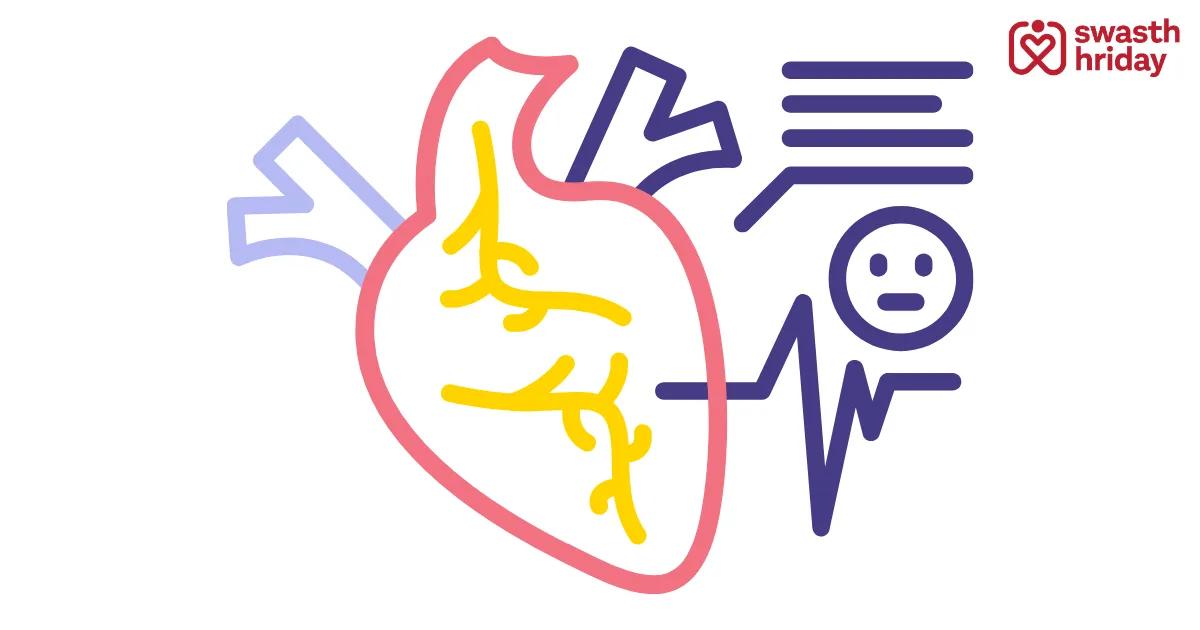


When a doctor listens to your heartbeat, they expect to hear a steady rhythm lub-dub, lub-dub. But sometimes, they hear an extra whooshing or swishing sound. This sound is known as Heart Murmurs, and though the name may worry many patients, not all murmurs are harmful. In fact, a large number of them are completely harmless and don't require any treatment at all.
However, some murmurs can be a sign of an underlying heart condition. The challenge is understanding which murmurs are harmless and which ones need medical attention. This blog explains the types, symptoms, risks, and treatments in easy, everyday language so you can understand your condition better and make informed decisions.
What Are Heart Murmurs?
A murmur is simply a sound created when blood flows differently than expected inside the heart. Your heart has valves that open and close to keep blood flowing in the right direction. When there is extra flow, faster flow, or a slight disturbance, the sound changes.
Why Do These Sounds Occur?
- Extra blood flow through the heart
- Valves not opening fully
- Valves not closing properly
- Faster heartbeat due to fever, anxiety, pregnancy, or exercise
- Congenital conditions present from birth
It is very important to know that the presence of a murmur does not automatically mean heart disease.
Types of Heart Murmurs: Harmless vs. Concerning
Doctors usually classify murmurs into two major types: innocent (benign) and abnormal (dangerous). Understanding the difference helps reduce unnecessary panic.
1. Innocent or Benign Murmurs
These are common in:
- Children and teenagers
- Pregnant women
- People with fever or anemia
- Individuals with a fast heartbeat due to stress or exercise
These murmurs:
- Do not cause symptoms
- Do not require treatment
- Often disappear on their own
- Are detected only through routine check-ups
2. Abnormal or Concerning Murmurs
These may indicate:
- Valve narrowing
- Valve leakage
- Holes in the heart (in infants or children)
- Age-related valve changes
- Previous infections affecting the valves
Such murmurs need evaluation, monitoring, and sometimes treatment.
Common Symptoms That May Require Attention
A murmur itself is not a symptom, you cannot feel it. But if a murmur is linked to an underlying heart issue, your body may give warning signs.
Signs You Should Never Ignore
- Breathlessness
- Chest discomfort
- Tiredness even with simple activities
- Swelling in legs or feet
- Dizziness or fainting episodes
- Fast or irregular heartbeat
- Poor weight gain in infants
Why Do Doctors Hear Murmurs More in Children?
Parents often panic when a pediatrician mentions a murmur. But childhood murmurs are incredibly common and rarely dangerous.
Reasons Murmurs Are Common in Kids
- Their heart chambers are smaller
- Blood flows faster due to high activity
- Growing bodies create natural changes in blood flow
Most murmurs in children are innocent. Only a small percentage signal structural issues, which pediatric cardiologists can quickly diagnose and treat. For more clarity on children’s heart issues, you may also explore our blog “Brave Little Hearts: Stories & Science Behind Pediatric Heart Surgery”
What Causes Dangerous Murmurs?
Dangerous or abnormal murmurs can appear in adults for several reasons. Many of these are linked with lifestyle factors and age-related heart changes.
1. Valve Tightening (Stenosis)
This happens when valves become stiff or thick due to:
- Age
- Calcium build-up
- Past infections
2. Valve Leakage (Regurgitation)
Blood flows backward because the valve doesn’t close properly.
3. Congenital Defects
These are present from birth and include:
- Small openings between the chambers
- Abnormal valve shapes
4. Health Conditions
Certain conditions increase the chance of developing abnormal murmurs:
- High blood pressure
- Diabetes
- Thyroid problems
- Rheumatic fever in childhood
5. Lifestyle-Related Causes
Poor lifestyle choices can increase heart strain:
- Smoking
- High-salt diet
- Physical inactivity
- Excess stress
Learn More About Is Binge Watching Hurting Your Heart? What the Research Says
How Doctors Diagnose Murmurs
The first step is a stethoscope examination. If the doctor hears a sound that needs further assessment, they may advise simple tests.
Commonly Recommended Tests
- Echocardiogram: Shows valve movement and blood flow
- ECG: Checks heartbeat rhythm
- Chest X-ray: Shows the size of the heart
- Blood tests: Check anemia, thyroid, and infection markers
These tests help determine whether the murmur is harmless or linked to a heart condition.
Are Heart Murmurs Treatable?
Yes. The treatment completely depends on the cause. Harmless murmurs need no treatment. For abnormal murmurs, doctors treat the underlying issue rather than the murmur itself.
Treatment Options Include:
- Lifestyle changes
- Medications to support heart function
- Treating thyroid, anemia, or infection
- Procedures to repair or replace valves in severe cases
Most murmurs can be managed successfully with early diagnosis and simple medical care.
Myths and Facts About Heart Murmurs
Myth 1: All murmurs are dangerous
Fact: Most are harmless and do not require any treatment.
Myth 2: Murmurs always mean a weak heart
Fact: A murmur is only a sound, not a diagnosis.
Myth 3: Only old people get murmurs
Fact: Murmurs occur in newborns, children, adults, and seniors.
Myth 4: Surgery is the only solution
Fact: Many murmurs improve with medication or simple monitoring.
Myth 5: You can feel a murmur
Fact: Murmurs are heard, not felt.
How to Protect Your Heart If You Have a Murmur
Not all murmurs need medical treatment, but every heart deserves good care. Small daily habits can support your heart health.
1. Maintain a Heart-Friendly Diet
- Fresh fruits and vegetables
- Low-salt meals
- Limited sugar
- Whole grains
- Heart-healthy oils
2. Stay Active
- Daily walking
- Light stretching
- Avoid long sitting hours
3. Keep Conditions Under Control
- Manage blood pressure
- Keep sugar levels normal
- Follow your doctor’s medication plan
4. Avoid Smoking
Smoking weakens heart valves and blood flow.
5. Regular Check-ups
Especially if you:
- Have diabetes
- Have high blood pressure
- Had rheumatic fever
- Are above 50
Regular monitoring helps doctors track changes early.
When Should You See a Doctor Urgently?
Seek medical help immediately if you experience:
- Sudden chest discomfort
- Severe breathlessness
- Fainting or dizziness
- Swelling in feet or ankles
- Fast or irregular heartbeat
- Unexplained fatigue
These symptoms may indicate complications related to abnormal murmurs or other heart problems.
Conclusion
Heart Murmurs are more common than most people think, and hearing this term for the first time can make anyone anxious. But most murmurs are completely harmless and need no treatment. The key is understanding whether a murmur is innocent or abnormal. Simple tests and regular check-ups help your doctor identify the cause and provide the right care.
If your murmur is linked to a valve problem or other condition, timely treatment and lifestyle changes can help you lead a healthy, active life. Listening to your symptoms, staying informed, and seeking medical guidance early are your strongest tools.
Authoritative References
- Mayo Clinic - Heart Murmurs
- Cleveland Clinic - Heart Murmurs
- Medline Plus - Heart Murmurs
- Wikipedia - Heart Murmurs