
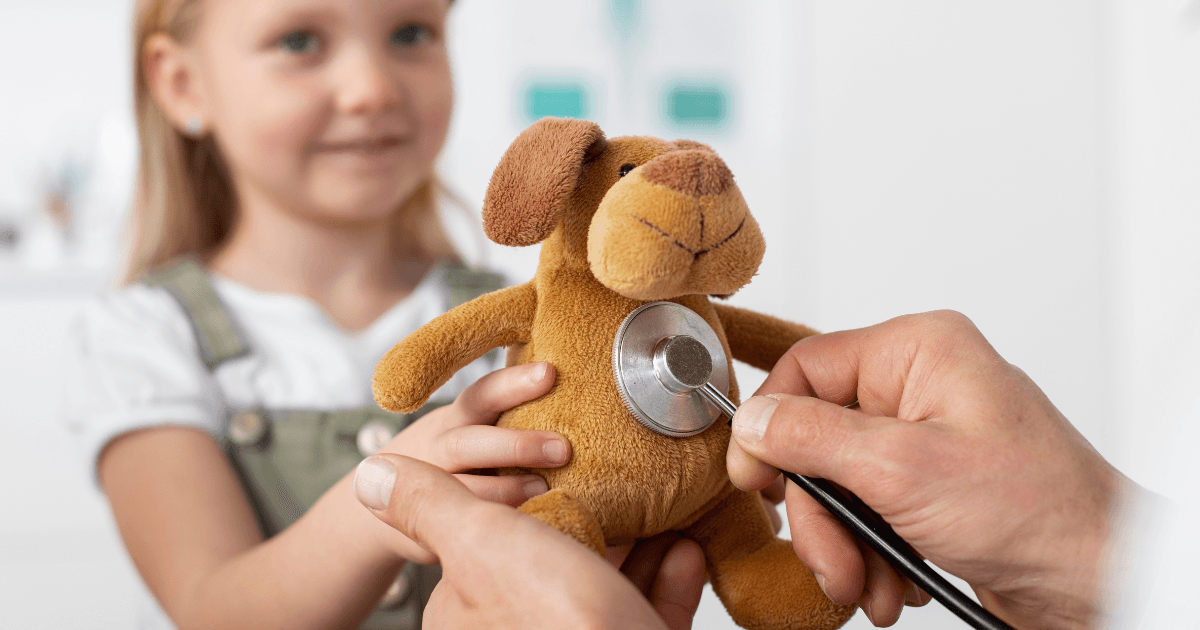


When we think of heart surgery, we often imagine elderly patients facing health crises. But the reality is that even newborns and toddlers sometimes need life-saving heart procedures. Paediatric heart surgery is a rapidly advancing field combining cutting-edge medical science with profound compassion for some of the tiniest, most vulnerable patients. This blog explores both the science behind these procedures and the inspiring stories of brave young hearts.
Understanding Paediatric Heart Surgery
Paediatric heart surgery involves surgical procedures to correct heart defects in infants, children, and adolescents. These defects may be congenital (present at birth) or acquired (developed after birth).
Common Types of Heart Defects in Children
Some of the most frequently treated congenital heart conditions include:
- Atrial Septal Defect (ASD): A hole between the upper chambers of the heart
- Ventricular Septal Defect (VSD): A hole between the lower chambers of the heart
- Tetralogy of Fallot: A complex defect involving four structural heart issues
- Patent Ductus Arteriosus (PDA): A persistent opening between two major blood vessels
- Coarctation of the Aorta: A narrowing of the aorta, restricting blood flow
When Is Surgery Needed?
While some minor defects may close on their own, many require surgical correction, especially if the child:
- Shows symptoms like fatigue, poor weight gain, or bluish skin
- Has oxygen-poor blood being circulated through the body
- Is at risk of heart failure or other complications
What Happens Before, During, and After Surgery?
Pre-Surgical Evaluation
Before recommending paediatric heart surgery, a pediatric cardiologist conducts:
- Echocardiogram and ECG
- Chest X-rays and MRI scans
- Cardiac catheterization for detailed imaging
- Nutritional assessments and growth monitoring
This thorough evaluation helps determine the most suitable surgical approach.
Types of Surgeries Performed
Surgical procedures vary based on the type and severity of the defect. These may include:
- Open-heart surgery using a heart-lung bypass machine
- Closed-heart surgery for simpler conditions
- Minimally invasive or catheter-based interventions, when appropriate
Surgeries are performed by paediatric cardiac surgeons trained to operate on very small hearts and vessels with exceptional precision.
Post-Surgery Care & Recovery
Recovery time depends on the complexity of the surgery. Post operative care usually involves:
- ICU monitoring for the first 48-72 hours
- Respiratory support and pain management
- Regular blood tests and imaging to track healing
- Guidance on nutrition, physical activity, and emotional well-being
Children often show remarkable resilience and bounce back faster than adults.
Why Early Detection Matters
Early diagnosis is critical for improving surgical outcomes. Delays in detection can result in complications such as:
- Irreversible heart damage
- Developmental delays
- Recurrent respiratory infections
- Poor growth and feeding problems
That’s why routine newborn screening, pediatric checkups, and timely referrals to a pediatric cardiologist are essential.
Warning Signs Parents Should Watch For
Parents should consult a specialist if they notice:
- Difficulty breathing or rapid breathing
- Blue-tinted lips or fingernails (cyanosis)
- Poor feeding or excessive sweating during feeds
- Swelling in the legs, belly, or around the eyes
- Delayed growth or failure to thrive
Real Stories of Resilience
Across India and globally, there are thousands of stories that showcase the courage of young patients and the expertise of surgical teams.
Aarav’s Story: A Heart Healed at 6 Months
Born with a severe VSD, Aarav struggled to gain weight and had constant breathlessness. At just six months old, he underwent corrective surgery. Today, he’s a lively toddler, reaching all his milestones.
Meera’s Journey: From Cyanosis to Confidence
Diagnosed with Tetralogy of Fallot, Meera was often breathless and bluish in color. Her family was fearful but determined. After open-heart surgery and months of follow-up care, she now attends school, full of energy and confidence.
These real-life examples underline how paediatric heart surgery isn’t just a clinical success, it’s a restoration of childhood and potential.
Paediatric Heart Surgery in India: The Growing Need
According to the Indian Council of Medical Research, nearly 200,000 children are born annually with congenital heart disease. Yet, access to timely treatment remains a challenge, especially in rural areas.
Barriers to Timely Care
- Lack of awareness among parents and general physicians
- Delayed referrals to pediatric cardiologists
- Cost and availability of specialized surgical centers
- Limited neonatal screening in smaller hospitals
Advances in Technology and Care
Modern techniques have significantly improved surgical outcomes and reduced complications.
Innovations in Paediatric Cardiac Surgery
- 3D heart models for pre-surgical planning
- Robot-assisted surgeries for precision
- Hybrid operating rooms combining imaging and surgery
- Telecardiology services for remote evaluations
These advancements make procedures safer and help doctors individualize care for each child.
Long-Term Outlook After Surgery
With early intervention and good follow-up care, most children go on to live healthy, active lives.
What to Expect in the Years After Surgery
- Regular cardiology check-ups during childhood
- Possible medication for heart rhythm or pressure control
- Support for emotional well-being and anxiety
- Reassessment before puberty, especially in complex cases
While some children may need further interventions later in life, the overall prognosis is excellent with timely surgery.
FAQs From Parents
1. Will my child need surgery again later?
It depends on the complexity of the defect. Many children do not need further surgeries, while others may require staged procedures.
2. Can my child play sports after recovery?
Yes, in most cases. A cardiologist will guide you on activity levels based on your child’s recovery and heart condition.
3. Is heart surgery safe for babies?
Yes, survival rates have improved dramatically due to better technology and surgical expertise, especially in top cardiac centers.
4. Will my child have a normal life?
Absolutely. Most children grow up with minimal restrictions and enjoy a full life after successful treatment.
Conclusion: Hope for Brave Little Hearts
Paediatric heart surgery is not just about repairing a defect, it’s about giving a child the chance to live a full, vibrant life. With early detection, advanced surgical care, and consistent follow-up, children with heart defects can thrive. India is making great strides in offering world-class cardiac care for children, but the key lies in awareness and timely action. If you’re a parent, pediatrician, or caregiver, knowing the signs and advocating for early evaluation could make all the difference.