
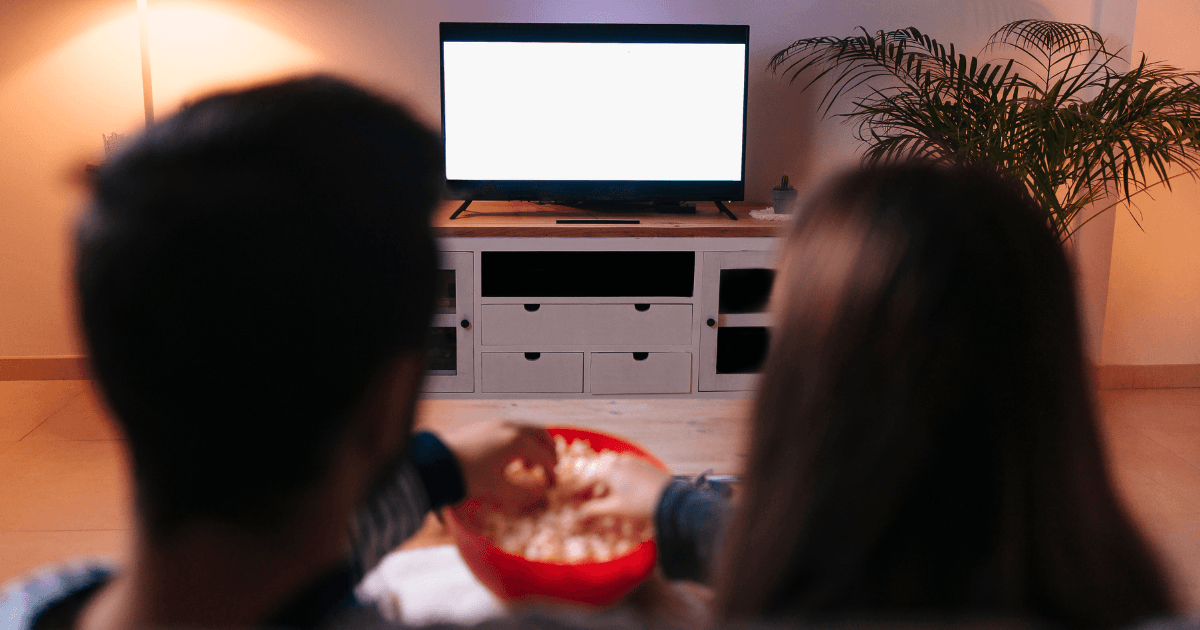


The rise of digital entertainment has transformed our leisure time. What once was an occasional indulgence has now become a routine for many watching several episodes or even an entire season in one sitting, a trend commonly known as binge watching. But what impact does this passive screen time have on our heart?
In this blog, we’ll explore the science behind prolonged sitting, screen addiction, and how watching TV or streaming for hours at a stretch could quietly damage your heart. We’ll also guide you through practical solutions and what research-backed advice says about heart-healthy screen habits.
The Sedentary Trap: What Happens When You Sit Too Long?
Binge watching typically involves long hours of physical inactivity. Whether it's Netflix, YouTube, or any streaming platform, sitting still for extended periods slows your body's circulation and can lead to serious cardiovascular problems over time.
Prolonged sitting is linked to:
- Reduced blood flow: Which increases the risk of blood clots and deep vein thrombosis (DVT)
- Weight gain and obesity: Especially when combined with unhealthy snacking
- Higher cholesterol and blood sugar levels
- Increased risk of high blood pressure
What research says:
A 2020 study published in the Journal of the American Heart Association found that adults who watched more than 4 hours of television daily had a 50% higher risk of cardiovascular disease, even if they exercised regularly.
Binge Watching vs. Heart Health: The Hidden Dangers
While it may feel relaxing, binge watching affects more than just your sleep cycle it directly impacts your cardiovascular system. Lack of movement and poor posture combined with stress-inducing content can compound heart risks.
Key reasons why binge sessions harm your heart:
- Inactivity lowers your metabolism and reduces insulin sensitivity, increasing the risk of diabetes and heart disease.
- Unconscious snacking during long watching hours can lead to excess calorie intake.
- Late-night viewing interferes with your sleep cycle, increasing cortisol levels your stress hormone.
- Mental stress from intense or addictive content may raise your heart rate and blood pressure.
These factors, when combined over months or years, may silently contribute to conditions like hypertension, atherosclerosis, and cardiac arrhythmias.
Who Is at Risk? Understanding the Vulnerable Groups
While binge watching affects everyone, certain groups are more vulnerable to its cardiovascular consequences.
High-risk groups include:
- Middle-aged working professionals with sedentary desk jobs
- Teenagers and young adults who combine screen time with poor diet and irregular sleep
- Elderly individuals with pre-existing heart conditions or limited mobility
- People with a family history of heart disease
If you fall into any of these categories, even moderate levels of binge watching can exacerbate existing heart health issues.
Screen Time & Stress: A Double Whammy for the Heart
Stress is a well-known risk factor for heart disease, and binge watching can contribute to it in subtle ways. Emotional content, late-night suspense shows, and even the pressure to “keep up” with trends can elevate stress levels.
Here’s how stress affects your heart:
- Triggers fight or flight hormones like cortisol and adrenaline
- Causes blood vessels to constrict, raising blood pressure
- Increases inflammation, which is a contributing factor in heart disease
- Disrupts sleep quality, affecting heart recovery during rest
When your body doesn't get time to recover from daily stress, it increases the long-term risk of developing cardiovascular complications.
Balancing Screen Time: Heart-Healthy Habits You Can Start Today
Watching your favorite show doesn’t have to be a guilty pleasure but it should be balanced. You can still enjoy digital entertainment while minimizing the cardiovascular risks associated with long viewing hours.
Simple heart-friendly changes:
- Follow the 30:5 rule: Get up every 30 minutes and move around for at least 5 minutes.
- Avoid binge watching at night: Let your brain and heart wind down properly before sleep.
- Snack smart: Choose fruits, nuts, or low-sodium popcorn instead of chips and sugary drinks.
- Practice good posture: Poor spinal alignment can affect blood circulation.
- Use a timer: Set limits to help manage screen duration.
By incorporating these small habits, you can protect your heart while still enjoying your favorite series.
Research-Backed Alternatives to Sedentary Viewing
To make entertainment more heart-friendly, consider blending physical movement with screen time. You don’t have to choose one or the other merge them.
Creative ways to stay active while watching:
- Stretching or light yoga between episodes
- Using a treadmill or stationary bike while watching
- Doing simple bodyweight exercises during loading screens or ads
- Watching from a standing desk setup
According to the Indian Council of Medical Research (ICMR), 150 minutes of moderate physical activity per week is essential for reducing heart disease risk, and it doesn’t always have to happen at the gym.
Frequently Asked Questions
1. Can binge watching really cause a heart attack?
While a single binge session won’t trigger a heart attack, repeated, prolonged inactivity significantly raises the risk of cardiovascular issues. Especially when combined with poor lifestyle habits like smoking, bad diet, or sleep deprivation.
2. Is screen time worse than sitting at work?
Both are harmful in excess, but binge watching often happens without posture awareness or breaks, and typically involves unhealthy eating. This makes it more harmful when done for several hours without movement.
3. How many hours of screen time is considered safe?
Experts suggest limiting recreational screen time to less than 2 hours per day outside of work. If you exceed that, make sure you're breaking up long sitting sessions with movement.
4. Can I reverse the damage caused by excessive sitting?
Yes, with regular exercise, a healthy diet, and sleep hygiene, your heart health can be restored to a great extent. But early intervention is key.
What Government Health Bodies Are Saying
Organizations like the World Health Organization (WHO) and India’s Ministry of Health and Family Welfare warn against sedentary lifestyles. According to WHO, physical inactivity is the fourth leading risk factor for global mortality, contributing to heart disease, diabetes, and stroke.
The National Programme for Prevention and Control of Cancer, Diabetes, Cardiovascular Diseases and Stroke (NPCDCS) by the Government of India also emphasizes reducing screen time and improving physical activity in urban populations.
Final Thoughts: It’s Time to Hit “Pause” Mindfully
Binge watching is an enjoyable escape but it shouldn't come at the cost of your heart. By understanding the risks, recognizing the symptoms, and making small changes, you can keep your heart strong without giving up on screen-time enjoyment. Remember, your heart doesn’t care what you’re watching it only knows whether you’re taking care of it or not. Start with small changes today stand, stretch, and stay heart smart.