


Heart diseases are often associated with blocked arteries or heart attacks in older adults. However, some heart conditions develop silently and affect people of all ages, including young adults and athletes. Hypertrophic Cardiomyopathy is one such condition. Despite being one of the most common inherited heart diseases, it often remains undiagnosed for years.
Many people live with this condition without knowing it, until symptoms suddenly appear or a routine test detects it by chance. In some cases, the first sign can be serious. Understanding why this condition is frequently missed can help patients and families seek timely care and protect heart health.
This blog explains, in simple language, what hypertrophic cardiomyopathy is, why it often goes unnoticed, and when you should seek medical evaluation.
What Is Hypertrophic Cardiomyopathy?
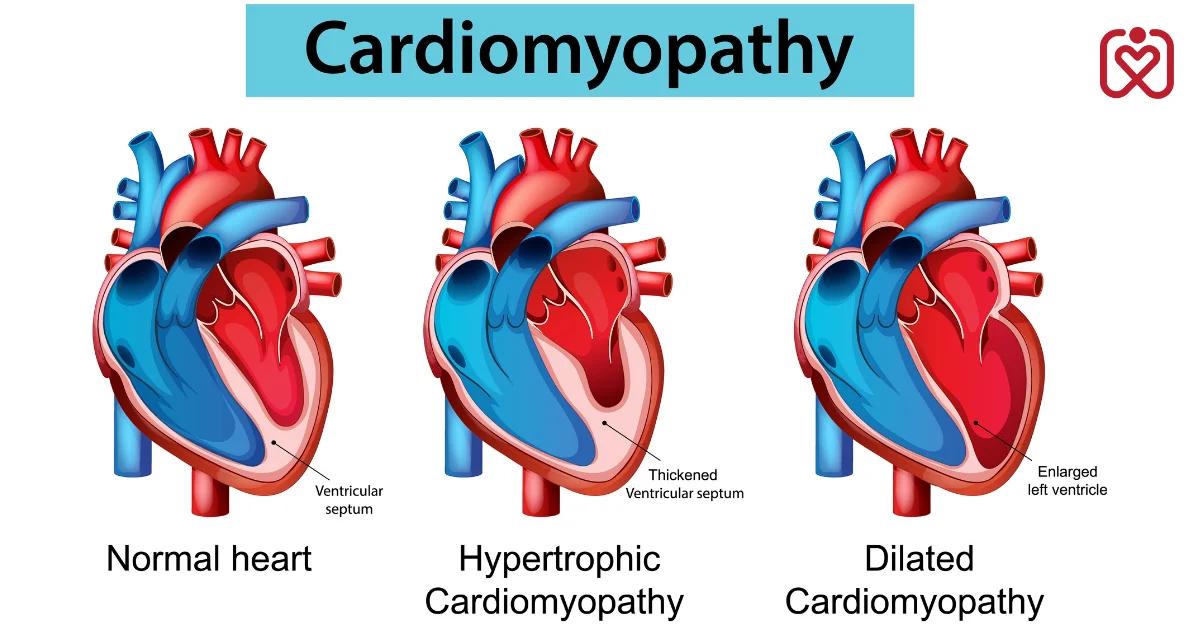
Hypertrophic cardiomyopathy is a condition where the heart muscle becomes abnormally thick. This thickening usually affects the walls of the heart’s main pumping chamber.
Key points to understand:
- The thickened heart muscle can make it harder for the heart to pump blood
- Blood flow out of the heart may become partially blocked
- The condition is often inherited and can run in families
- It may develop at any age, from childhood to later adulthood
Despite these changes, many people feel completely normal in the early stages.
Why Hypertrophic Cardiomyopathy Is More Common Than People Think
This condition is not rare. Studies suggest it affects about 1 in 500 people worldwide. Yet, many cases remain undiagnosed.
Reasons include:
- Symptoms can be mild or absent
- People often attribute symptoms to stress or fitness issues
- Routine health check-ups may not include detailed heart testing
Because of this, hypertrophic cardiomyopathy often stays hidden for years.
Why Hypertrophic Cardiomyopathy Often Goes Undiagnosed
There are several reasons this condition is frequently missed.
1. Symptoms Are Subtle or Absent
Many people with hypertrophic cardiomyopathy:
- Have no symptoms at all
- Experience mild breathlessness only during exertion
- Feel occasional fatigue that seems normal
Without obvious warning signs, people don’t seek medical care.
2. Symptoms Mimic Common Problems
When symptoms do appear, they are often mistaken for everyday issues, such as:
- Shortness of breath blamed on poor fitness
- Chest discomfort linked to acidity or anxiety
- Dizziness attributed to dehydration
This overlap delays proper heart evaluation.
3. Young and Active Individuals Feel “Too Healthy”
Hypertrophic cardiomyopathy is often diagnosed in:
- Teenagers and young adults
- Athletes and physically active individuals
Because they appear fit and healthy, neither patients nor doctors may suspect a heart condition.
4. Family History Is Unknown or Ignored
Since this condition can be inherited:
- Some family members may have mild disease
- Sudden cardiac deaths in the family may not be discussed
- Previous diagnoses may have been missed
Without a clear family history, risk is underestimated.
5. Routine Tests May Appear Normal
Basic health check-ups may not detect hypertrophic cardiomyopathy because:
- Blood tests are usually normal
- Chest X-rays may not show changes
- Mild cases may not produce obvious heart murmurs
More detailed heart imaging is often required for diagnosis.
Common Symptoms People Overlook
When present, symptoms are often ignored or downplayed.
Shortness of Breath
- Occurs during physical activity
- Worsens gradually over time
- Often blamed on age or lack of fitness
Chest Pain
- Especially during exertion
- May feel tight or uncomfortable
- Can be mistaken for muscle pain
Dizziness or Fainting
- Lightheadedness after exercise
- Fainting episodes, especially in young people
- Often attributed to dehydration or low blood sugar
Palpitations
- Sensation of fast or irregular heartbeat
- Comes and goes suddenly
- Can cause anxiety but is often ignored
These symptoms should always prompt heart evaluation, especially if they occur repeatedly.
Why Hypertrophic Cardiomyopathy Can Be Dangerous If Missed
When undiagnosed, this condition can lead to serious complications:
- Abnormal heart rhythms
- Reduced blood flow to the body
- Increased risk of sudden cardiac events
- Heart failure in advanced cases
Early diagnosis significantly reduces these risks and improves quality of life.
How Hypertrophic Cardiomyopathy Is Diagnosed
Diagnosis usually involves a combination of tests:
- Detailed medical and family history
- Physical examination
- Heart imaging tests such as echocardiography
- Heart rhythm monitoring if needed
Early testing is especially important for people with symptoms or a family history of heart disease.
The Role of Genetics and Family Screening
Since hypertrophic cardiomyopathy is often inherited:
- First-degree relatives may also be affected
- Family screening helps detect early disease
- Genetic counseling may be advised in some cases
Identifying the condition early in family members can prevent future complications.
Why Athletes Are at Special Risk
Sports and intense physical activity place extra stress on the heart.
- Symptoms may appear only during exertion
- Undiagnosed heart thickening can limit blood flow
- Risk increases during competitive sports
This is why chest pain, fainting, or breathlessness during sports should never be ignored. You may find it helpful to also read about sports-related chest pain in children and teens, as similar warning signs apply.
Living With Hypertrophic Cardiomyopathy
A diagnosis does not mean life has to stop.
Many people live full, active lives with proper care:
- Regular follow-up with a heart specialist
- Medications to improve heart function
- Lifestyle modifications as advised
- Monitoring for heart rhythm changes
With early diagnosis, serious complications can often be prevented.
When Should You Seek Medical Advice?
You should consider heart evaluation if:
- You experience unexplained chest pain or breathlessness
- You faint or feel dizzy during activity
- You have a family history of sudden heart-related death
- You are an athlete with new or unusual symptoms
Early consultation can be lifesaving.
Common Questions Patients Ask
1. Can I have hypertrophic cardiomyopathy without symptoms?
Yes. Many people have no symptoms and are diagnosed only through screening or routine tests.
2. Is this condition curable?
It cannot be cured, but it can be effectively managed with medical care and lifestyle guidance.
3. Can children or young adults be affected?
Yes. The condition can appear at any age, including childhood and adolescence.
4. Is it safe to exercise?
Exercise recommendations depend on severity and individual risk. A heart specialist can guide safe activity levels.
The Importance of Awareness and Early Detection
Hypertrophic cardiomyopathy is often undiagnosed not because it is rare, but because it is silent. Awareness among patients, families, coaches, and healthcare providers is key.
Simple steps that help:
- Paying attention to unexplained symptoms
- Taking family history seriously
- Seeking evaluation for exercise-related complaints
- Encouraging heart screening when advised
Early detection saves lives and prevents long-term damage.
Conclusion
Hypertrophic cardiomyopathy is a common but often overlooked heart condition. Its ability to remain silent for years makes it especially dangerous when undiagnosed. Subtle symptoms, normal routine tests, and lack of awareness all contribute to delayed diagnosis.
By understanding the warning signs and seeking timely medical care, individuals can protect their heart health and live active, fulfilling lives. If you or a family member experience unexplained symptoms or have a concerning family history, consulting an experienced heart specialist is a wise and proactive step.
Authoritative References
- Mayo Clinic - Hypertrophic Cardiomyopathy
- American Heart Association - Hypertrophic Cardiomyopathy
- Cleveland Clinic - Hypertrophic Cardiomyopathy