


Most people think of a heart attack as the most dangerous heart-related emergency. While heart attacks are serious, there is another condition that is just as life-threatening and often far less understood — Aortic Dissection. What makes it especially dangerous is how quickly it can worsen and how easily its symptoms can be mistaken for other common problems.
This condition does not always come with clear warning signs. Many people feel fine until sudden pain strikes, and by then, every minute matters. Knowing what this emergency is, how it starts, and when to seek help can truly save lives.
This blog explains everything in clear, simple language so that patients, caregivers, and families can recognize the danger early and act fast.
What Is an Aortic Dissection?
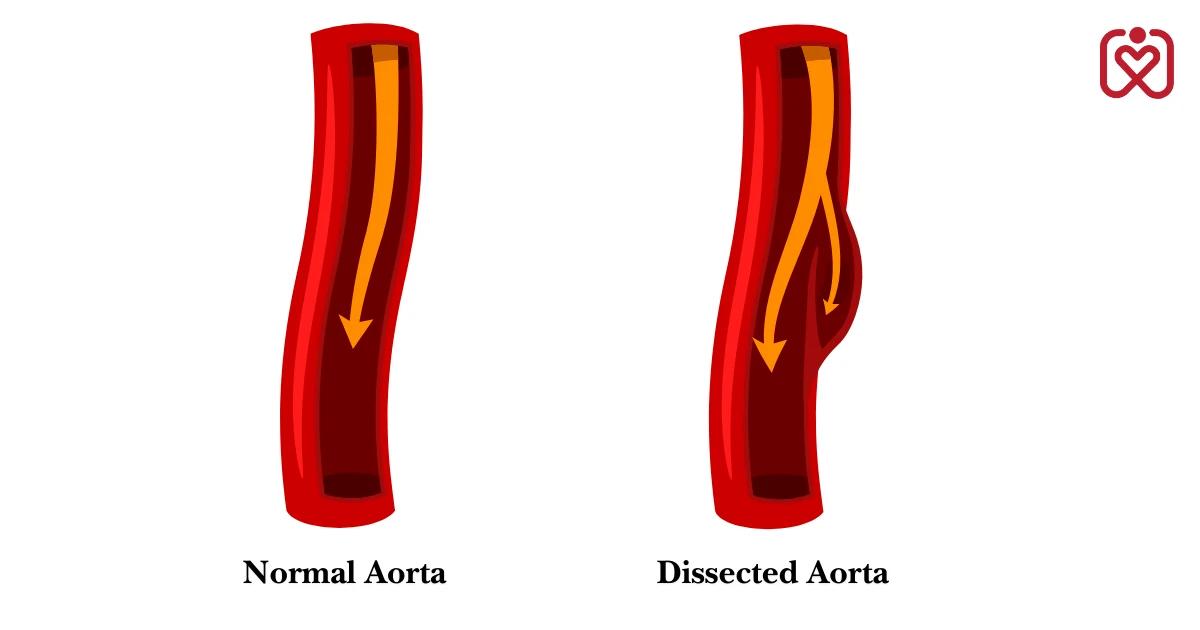
The aorta is the largest blood vessel in the body. It carries oxygen-rich blood from the heart to the rest of the body. An aortic dissection happens when a tear develops in the inner wall of this major blood vessel.
Here’s what happens step by step:
- Blood enters through the tear
- The layers of the aorta begin to separate
- Blood flow to vital organs may reduce
- The vessel can weaken or rupture
This process can happen very suddenly and progress rapidly, which is why it is considered a medical emergency.
Why Aortic Dissection Is So Dangerous
This condition is dangerous because it affects the body’s main blood supply line.
Key reasons it can become life-threatening include:
- Blood may not reach the brain, kidneys, or heart
- The aorta can burst, causing internal bleeding
- Blood pressure can drop suddenly
- Organ damage can occur within minutes
Without immediate medical care, the risk of serious complications increases dramatically.
Why Many People Don’t Recognize the Warning Signs
One of the biggest challenges with this condition is that its symptoms can look like other, more common problems.
Common reasons it goes unrecognized:
- Symptoms resemble a heart attack or muscle pain
- Pain may move or change location
- Some people don’t experience classic chest pain
- Symptoms can vary from person to person
Because of this, people may delay seeking urgent care.
Common Symptoms You Should Never Ignore
Symptoms often start suddenly and feel severe, but they can also be confusing.
Sudden Severe Pain
- Sharp or tearing pain in the chest or upper back
- Pain that spreads to the neck, jaw, or abdomen
- Pain that feels different from anything before
Many describe it as the “worst pain of their life.”
Breathing Difficulty
- Shortness of breath without exertion
- Feeling unable to take a deep breath
- Sudden worsening of breathing
Dizziness or Fainting
- Lightheadedness
- Loss of consciousness
- Feeling weak or unsteady
Other Warning Signs
- Sudden sweating
- Nausea or vomiting
- Weakness on one side of the body
- Trouble speaking or seeing
These symptoms may also overlap with stroke or other heart emergencies, which is why immediate evaluation is essential.
Who Is at Higher Risk?
While anyone can experience this condition, certain factors increase risk.
High Blood Pressure
- Long-term uncontrolled blood pressure strains the aorta
- Weakens the vessel wall over time
Age and Gender
- More common in adults over 50
- Seen more frequently in men
Connective Tissue Conditions
Some inherited conditions affect blood vessel strength, such as:
- Marfan syndrome
- Ehlers-Danlos syndrome
Previous Heart or Aortic Problems
- History of aortic aneurysm
- Prior heart surgery
- Known valve conditions
Lifestyle and Health Factors
- Smoking
- Severe chest injury
- Cocaine or stimulant use
Understanding these risks helps people stay alert to symptoms.
Why Aortic Dissection Is Often Confused With a Heart Attack
This emergency is frequently mistaken for a heart attack because both can cause:
- Chest pain
- Shortness of breath
- Sweating
- Nausea
However, the underlying cause is different. A heart attack involves blocked blood flow to the heart muscle, while an aortic tear affects the main artery leaving the heart. Both require urgent treatment, but the management approach is not the same.
If you’d like to understand how chest pain can signal different emergencies, you may also find it useful to read about how to recognize heart attack warning signs and when to seek emergency care.
How Doctors Diagnose This Condition Quickly
Doctors focus on fast and accurate diagnosis because time is critical.
Evaluation often includes:
- Reviewing symptoms and medical history
- Checking blood pressure in both arms
- Heart and lung examination
- Advanced imaging tests
These tests help confirm the diagnosis and guide treatment decisions.
Treatment Options and Why Timing Matters
Treatment depends on where the tear occurs and how severe it is.
Emergency Medical Care
- Blood pressure control to reduce stress on the aorta
- Pain management
- Continuous heart monitoring
Surgical Treatment
In many cases, surgery is required to:
- Repair the damaged section
- Prevent rupture
- Restore proper blood flow
Early treatment significantly improves survival rates.
What Happens If Treatment Is Delayed?
Delay can lead to serious complications, such as:
- Stroke
- Kidney failure
- Heart damage
- Internal bleeding
The longer treatment is postponed, the higher the risk of fatal outcomes.
Living After an Aortic Dissection
Survival does not end with hospital discharge. Long-term care is essential.
Ongoing Medical Follow-Up
- Regular heart imaging
- Blood pressure monitoring
- Medication adherence
Lifestyle Adjustments
- Avoid heavy lifting
- Follow a heart-healthy diet
- Manage stress
- Quit smoking
Emotional and Mental Recovery
- Anxiety after a major emergency is common
- Counseling or support groups may help
- Education reduces fear and improves confidence
Many people go on to live fulfilling lives with proper care and monitoring.
Common Patient Questions Answered
1. Can this happen without warning?
Yes. Some people experience sudden symptoms without prior signs, especially if blood pressure has been high for years.
2. Is it the same as an aneurysm?
No. An aneurysm is a bulge in the vessel wall, while a dissection involves a tear. However, one can lead to the other.
3. Can it be prevented?
Risk can be reduced by controlling blood pressure, avoiding smoking, and managing known heart conditions.
4. Should family members be checked?
In some cases, yes especially if there is a history of inherited connective tissue conditions.
When Should You Seek Emergency Help?
Call emergency services immediately if you or someone else experiences:
- Sudden severe chest or back pain
- Pain that feels tearing or spreading
- Fainting or severe dizziness
- Shortness of breath with chest discomfort
Do not wait to see if the pain passes. Minutes matter.
Why Awareness Can Save Lives
Many deaths occur simply because people don’t know this condition exists. Awareness allows:
- Faster recognition of symptoms
- Quicker emergency response
- Better survival outcomes
Sharing accurate information with family members, especially those with high blood pressure or known heart risks, can make a real difference.
Conclusion
Aortic dissection is a fast-moving, silent emergency that requires immediate attention. It often looks like other heart or chest problems, which is why so many cases are diagnosed late. Understanding the warning signs, knowing your risk factors, and acting quickly can be life-saving.
If you or a loved one has unexplained chest or back pain, sudden weakness, or fainting, do not ignore it. Trust your instincts and seek urgent medical care. Early action saves lives.
Authoritative References
- Mayo Clinic - Aortic Dissection
- Wikipedia - Aortic Dissection
- Cleveland Clinic - Aortic Dissection