
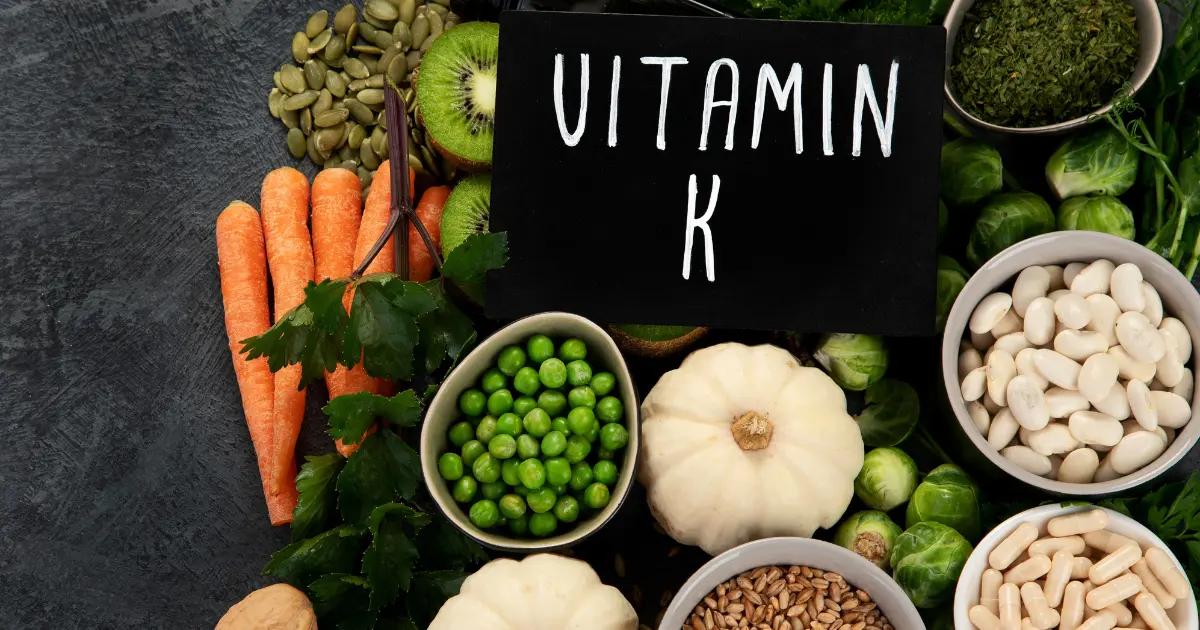


Vitamin K is often called a “silent supporter” of the body because it works behind the scenes in many essential functions. Most people know it for its role in blood clotting, but very few realise how strongly Vitamin K supports heart health, keeps bones strong, and helps blood vessels stay flexible.
Today, more research is uncovering how this powerful nutrient plays a major role in protecting your heart, reducing the risk of artery stiffness, and maintaining long-term wellness. For many people, especially adults with lifestyle risks, learning how Vitamin K works can make a big difference.
This blog simplifies everything you need to know from the benefits of Vitamin K for heart health, to signs of Vitamin K deficiency, to the role of Vitamin K2 in artery health, and how it supports bone strength.
What Is Vitamin K and Why Does Your Body Need It?
Vitamin K is a fat-soluble vitamin found in leafy vegetables, certain oils, fermented foods, and some animal-based items. It comes in two main forms:
Vitamin K1
- Found mostly in green vegetables
- Supports normal blood clotting
- Helps prevent excessive bleeding
Vitamin K2
- Found in fermented foods, cheese, eggs and certain meats
- Plays a major role in heart and bone health
- Helps prevent calcium from depositing inside arteries
Vitamin K is essential for three major body systems:
- Heart health
- Bone strength
- Healthy blood function
Learn More About Chia Seeds for Heart Health: Nature’s Tiny Superfood
How Vitamin K Protects Your Heart Health
One of the biggest discoveries in heart research has been the strong relationship between Vitamin K2 and artery health. When calcium builds up inside arteries, they become stiff and narrow. This increases the risk of heart disease, high blood pressure, and heart attack.
Here’s how Vitamin K helps:
1. Prevents Calcium Buildup in Arteries
- Vitamin K activates proteins that move calcium into bones instead of letting it settle inside arteries.
- This prevents artery hardening and supports overall cardiovascular wellness.
2. Supports Healthy Blood Flow
- Flexible arteries allow blood to flow smoothly.
- Vitamin K protects the vessel walls so the heart doesn’t have to work harder.
3. Helps Reduce Heart Disease Risk
Studies show that regular intake of Vitamin K2 is linked with:
- Lower risk of artery stiffness
- Better long-term heart function
- Improved circulation
4. Works Together with Other Heart-Protective Nutrients
- Vitamin D and calcium absorption work closely with Vitamin K2.
- Lifestyle changes such as a heart-healthy diet and regular exercise become more effective when Vitamin K levels are optimal.
Learn More About Seasonal Heart Healthy Foods: What to Eat and When
Vitamin K and Blood Health: Why It Matters More Than You Think
Most people associate Vitamin K only with blood clotting, but the benefits go beyond that.
1. Helps Prevent Excessive Bleeding
Vitamin K ensures the body forms clots when necessary for example, when you get a cut or injury.
2. Supports Healthy Platelet Activity
Although Vitamin K doesn’t directly increase platelet count, it helps blood components work smoothly.
3. Reduces Risk of Certain Blood Disorders
A deficiency may cause:
- Easy bruising
- Bleeding gums
- Blood in urine or stool
4. Helps People on Blood Thinners (with medical guidance)
Those on medications like warfarin need stable Vitamin K intake sudden changes can affect safety. Always follow your doctor’s advice.
Learn More About Best Cooking Oils for a Healthy Heart
Vitamin K and Bone Strength: A Powerful Partnership
Calcium is important for bones but calcium cannot reach bones without Vitamin K2. Many people take calcium supplements but do not realize that poor Vitamin K levels may prevent proper bone absorption.
How Vitamin K supports bone health:
- Activates the bone-building protein osteocalcin
- Helps strengthen bone structure
- Reduces the risk of fractures, especially in older adults
- Protects against age-related bone loss
Learn More About Heart Foods: Cooking Tips for Indian Kitchens
Signs You May Have a Vitamin K Deficiency
A deficiency may not always show immediate symptoms. But when it does, the warning signs can include:
- Frequent bruising
- Bleeding gums
- Heavy menstrual bleeding
- Blood clotting too slowly
- Bone weakness
- Artery stiffness (over time)
- Poor wound healing
Deficiency becomes more common in:
- People with digestive disorders
- Those on long-term antibiotics
- People with very low-fat diets
- Elderly individuals
When should you see a doctor?
If you notice unexplained bleeding, bruising, or signs of weak bones, consult a physician. Early assessment prevents complications.
Learn More About Importance of a Heart-Healthy Diet
Best Food Sources of Vitamin K
Getting enough Vitamin K through natural foods is easy when you know where to look.
Rich sources of Vitamin K1:
- Spinach
- Kale
- Broccoli
- Cabbage
- Lettuce
- Green beans
Rich sources of Vitamin K2:
- Cheese
- Egg yolk
- Fermented foods (such as natto)
- Chicken
- Butter
- Certain meats
How to include these in your daily diet:
- Add leafy greens to smoothies or salads
- Eat fermented foods 2-3 times a week
- Include eggs and lean meats in meals
- Choose whole-food ingredients over packaged items
How Much Vitamin K Do You Need?
General daily recommendations (based on global guidelines):
- Men: 120 mcg per day
- Women: 90 mcg per day
Most people can meet this through food alone. Supplements should only be taken if advised by a healthcare provider, especially if you are:
- Pregnant or breastfeeding
- Taking blood thinners
- Living with chronic digestive conditions
Learn More About Desi Drinks for Heart Health: Buttermilk, Coconut Water & More
Vitamin K and Pregnancy: What Expecting Mothers Should Know
Vitamin K supports the health of both mother and baby.
Benefits during pregnancy:
- Helps maintain normal blood clotting
- Supports bone development in the baby
- Reduces the risk of excessive bleeding during delivery
- Supports heart and blood vessel health
Pregnant women should get Vitamin K through natural food sources unless their doctor recommends supplementation.
Can Vitamin K Prevent a Heart Attack?
Vitamin K is not a direct treatment, but it plays an important role in lowering risk by:
- Preventing artery calcification
- Improving blood circulation
- Supporting healthy blood clotting
- Strengthening overall cardiovascular function
Combined with:
- A balanced diet
- Regular exercise
- Avoiding smoking
- Managing cholesterol and weight
Vitamin K becomes a strong part of heart health prevention.
Learn More About Processed Foods & Your Heart: A Dangerous Love Affair
Frequently Asked Questions (FAQs)
1. Can I take Vitamin K supplements every day?
Most people can meet their needs through food. Supplements should only be taken after medical advice, especially if you take blood thinners.
2. What happens if I do not get enough Vitamin K?
You may experience bruising, slow blood clotting, bone weakness and increased artery stiffness over time.
3. Is Vitamin K2 better than Vitamin K1?
Both are important. Vitamin K1 supports blood clotting, while Vitamin K2 plays a major role in artery and bone health.
4. Can Vitamin K keep my heart healthy?
Yes, it helps by preventing calcium accumulation in arteries and supporting smooth blood flow.
5. Does cooking reduce Vitamin K in food?
Yes, boiling can lower Vitamin K content. Light steaming or consuming raw greens helps retain nutrients.
Conclusion
Vitamin K is one of the most underrated nutrients when it comes to heart, bone, and blood health. From protecting arteries to strengthening bones and supporting normal clotting, it plays a crucial role in long-term wellness. A diet rich in leafy greens, fermented foods, eggs and healthy fats ensures you get the right balance of Vitamin K1 and K2 for optimal health.
Small, simple changes to your daily habits, eating heart-healthy meals, staying active, and going for regular check-ups can significantly boost your overall health.
Authoritative References
- PubMed Central - Vitamin K2
- Harvard Health Publishing - Vitamin K
- Journal of the American Heart Association - Vitamin K
- Asian Heart & Vascular Centre - Vitamin K
- Times of India - Vitamin K2