
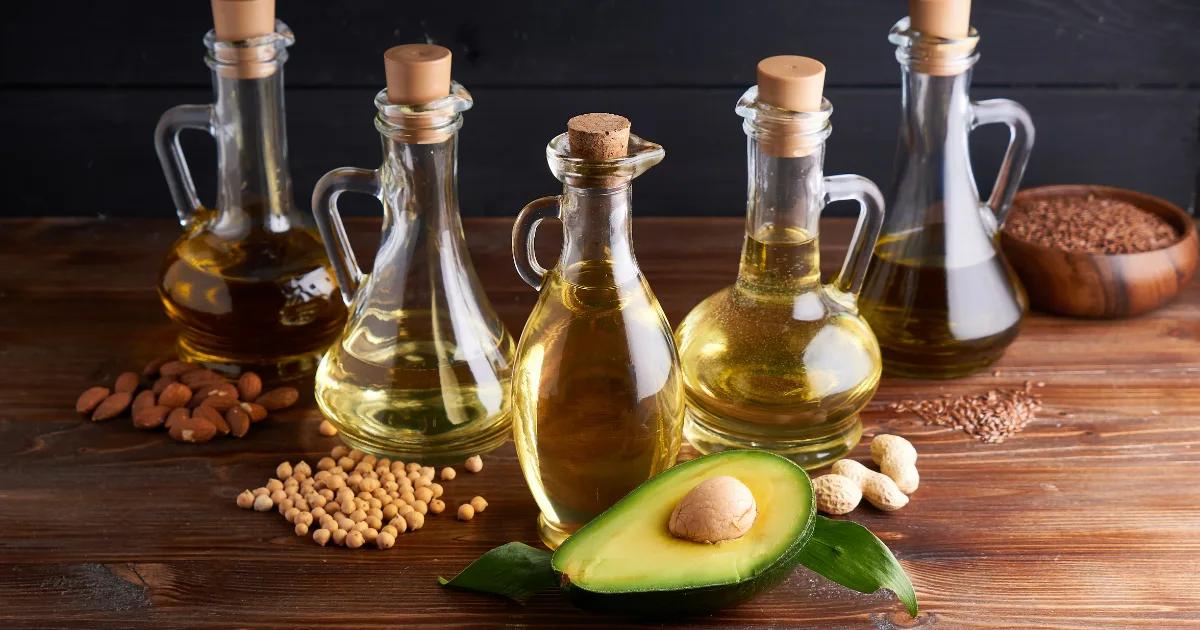


When it comes to heart health, what you cook and how you cook it both matter. While most people focus on reducing salt or avoiding fried foods, the type of cooking oils you use plays an equally important role in maintaining a healthy heart.
Not all oils are created equal, some can help lower your cholesterol and protect against heart disease, while others can increase your risk of clogged arteries. Choosing the right oil can make a real difference to your cardiovascular wellness.
Let’s explore which cooking oils are best for heart health, what makes them beneficial, and how to use them wisely in your everyday meals.
Understanding the Connection Between Cooking Oils and Heart Health
Your heart needs healthy fats to function properly, but too much of the wrong kind of fat can lead to high cholesterol, plaque buildup, and heart disease. Cooking oils are a primary source of dietary fats, so the quality and type of fat they contain matter.
Here’s a simple breakdown of the major fats found in oils:
- Saturated fats – Found mostly in animal fats and some tropical oils (like coconut and palm oil). Excess intake can raise LDL (“bad”) cholesterol.
- Unsaturated fats – These are the heart-healthy fats that help lower cholesterol and improve blood vessel function. They are divided into:
- Monounsaturated fats (MUFA) – Found in olive, canola, and peanut oil.
- Polyunsaturated fats (PUFA) – Found in sunflower, soybean, flaxseed, and fish oils.
- Trans fats – Artificial fats found in processed foods. They’re harmful and should be avoided completely.
The goal is to replace saturated and trans fats with unsaturated fats to reduce heart disease risk.
1. Olive Oil – The Heart-Healthy Classic
Olive oil, especially extra virgin olive oil (EVOO), is often called the gold standard for heart health.
Why It’s Good for Your Heart
- Rich in monounsaturated fats (MUFA) that help lower LDL cholesterol and raise HDL (“good”) cholesterol.
- Contains antioxidants like polyphenols, which protect blood vessels from inflammation and damage.
- May help reduce blood pressure and improve blood sugar control.
Best Ways to Use
- Ideal for salad dressings, sautéing, and light cooking.
- Avoid deep-frying with olive oil since it has a lower smoke point.
Did You Know?
Studies published by the American Heart Association (AHA) found that replacing butter or margarine with olive oil daily can lower your risk of heart disease by up to 20%.
2. Canola Oil – A Balanced Everyday Option
Canola oil is one of the most versatile and widely used cooking oils that fits well in a heart-healthy diet.
Heart Benefits
- Low in saturated fats (only about 7%) and high in monounsaturated fats.
- Contains omega-3 fatty acids (alpha-linolenic acid) which help reduce inflammation in the arteries.
- Neutral flavor makes it suitable for all types of cooking.
Best Ways to Use
- Excellent for frying, baking, and stir-frying.
- A good all-purpose option for Indian and international cuisines.
3. Sunflower Oil – Light and Vitamin-Rich
Sunflower oil is a popular choice for many Indian households, and for good reason.
Why It’s Heart-Friendly
- High in vitamin E, which acts as an antioxidant and supports healthy cell function.
- Contains polyunsaturated fats that can help lower total cholesterol when used in moderation.
Things to Watch
- Refined sunflower oil can lose nutrients during processing. Choose cold-pressed versions when possible.
- Balance it with other oils, as too much omega-6 (found in sunflower oil) can cause inflammation if not paired with enough omega-3 sources.
Best Ways to Use
- Great for shallow frying, sautéing, and everyday cooking.
Related read: Heart-Healthy Diet: Foods That Keep Your Heart Strong
4. Mustard Oil – Traditional Goodness with Modern Backing
A staple in Indian kitchens, mustard oil offers several benefits for heart health when used in moderation.
Heart Benefits
- Contains monounsaturated and polyunsaturated fats in balanced amounts.
- Rich in omega-3 fatty acids that reduce inflammation and help maintain healthy arteries.
- Has natural antimicrobial properties and enhances digestion.
Caution
- Mustard oil should always be used after proper heating (smoke until pungent smell fades) to neutralize erucic acid.
- Avoid using for deep-frying repeatedly, as reheating may degrade its healthy components.
Best Ways to Use
- Ideal for stir-frying, pickles, and Indian curries.
- Combine with olive or canola oil for variety and nutritional balance.
5. Flaxseed Oil – A Powerful Omega-3 Source
Flaxseed oil (also known as linseed oil) is gaining attention as a plant-based source of omega-3 fatty acids, which are essential for heart and brain function.
Why It’s Good for the Heart
- Contains alpha-linolenic acid (ALA), a type of omega-3 that helps prevent artery stiffness.
- May lower triglyceride levels and improve overall cholesterol profile.
Best Ways to Use
- Not suitable for cooking at high temperatures.
- Use it as a salad dressing, drizzle over cooked vegetables, or mix into smoothies.
6. Rice Bran Oil – The Modern Heart Protector
Rice bran oil has become a popular heart-health choice in India thanks to its unique nutrient profile.
Heart Benefits
- Contains oryzanol, a natural antioxidant known to lower LDL cholesterol.
- Balanced ratio of monounsaturated and polyunsaturated fats.
- Stable at high temperatures, making it suitable for frying and deep-frying.
Bonus
- Has a mild flavor and a high smoke point (about 232°C).
- Also helps improve insulin sensitivity, which benefits people with diabetes.
Related read: Understanding the Role of Microbiome in Heart Health
7. Avocado Oil – The Nutrient-Rich Newcomer
Avocado oil is relatively new to Indian kitchens but is one of the most nutrient-rich oils for heart health.
Why It’s Beneficial
- Rich in monounsaturated fats similar to olive oil.
- Contains vitamin E and lutein, which support blood vessel and eye health.
- Helps improve “good” cholesterol levels while reducing “bad” ones.
Best Ways to Use
- Ideal for salad dressings or roasting due to its high smoke point.
- Slightly expensive, but a small quantity goes a long way.
Oils to Use in Moderation
Some oils should be used sparingly because of their higher saturated fat content or lower nutrient quality.
1. Coconut Oil
- Contains medium-chain triglycerides (MCTs) that can provide quick energy.
- But also high in saturated fats (about 90%), which can raise cholesterol if consumed frequently.
2. Palm Oil
- Common in processed foods.
- Though affordable and stable, it’s high in saturated fats and lacks essential fatty acids.
3. Ghee (Clarified Butter)
- Traditional and flavorful but should be used in small amounts only.
- Choose cow ghee and use sparingly for flavor, not as the main fat source.
Choosing the Right Cooking Oil for You
There isn’t one perfect oil for everyone, the key is balance and variety.
Smart Tips
- Rotate your oils – Use a mix of oils like olive, mustard, and sunflower throughout the week.
- Check labels – Look for “cold-pressed,” “unrefined,” or “extra virgin” for the healthiest options.
- Use minimal oil – Even healthy oils are calorie-dense, so keep portions controlled.
- Avoid reheating oil – Reused oil can form harmful compounds that damage arteries.
- Store properly – Keep oils in cool, dark places to prevent oxidation.
Daily Limit
Most adults should aim for 2-3 teaspoons (10-15 ml) of oil per meal as part of a balanced diet.
How Cooking Method Affects Heart Health
Even the best oil can lose its benefits if it’s overheated or used improperly.
- Deep frying repeatedly increases trans fats.
- Stir-frying or baking at moderate temperatures retains nutrients.
- Drizzling oils cold (like olive or flaxseed oil) keeps antioxidants intact.
For Indian cooking, combining mustard oil for curries, olive oil for salads, and rice bran oil for frying provides both taste and health benefits.
When to Consult Your Doctor
If you have heart disease, diabetes, or high cholesterol, always consult your doctor or dietitian before making major changes in cooking oils. They can help you select the best oil combination for your individual needs and medical history.
Explore more: Advancements in Antiplatelet Therapy for Heart Disease
Conclusion
Your cooking oil can either protect or harm your heart, the choice lies in what and how you use it. Opting for unsaturated, nutrient-rich oils like olive, canola, mustard, and rice bran can significantly reduce your risk of heart problems.
Remember, moderation and variety are key. Pair healthy oils with a balanced diet rich in vegetables, whole grains, lean protein, and regular physical activity for a truly heart-healthy lifestyle.
Small choices in the kitchen today can protect your heart for years to come.
Authoritative References
- American Heart Association - Healthy Cooking Oils
- Harvard Health Publishing - Cooking Oils
- Victor Chang - Cooking Oils
- Lords Health Care - Cooking Oils
- Mayo Clinic - Cooking Oils