
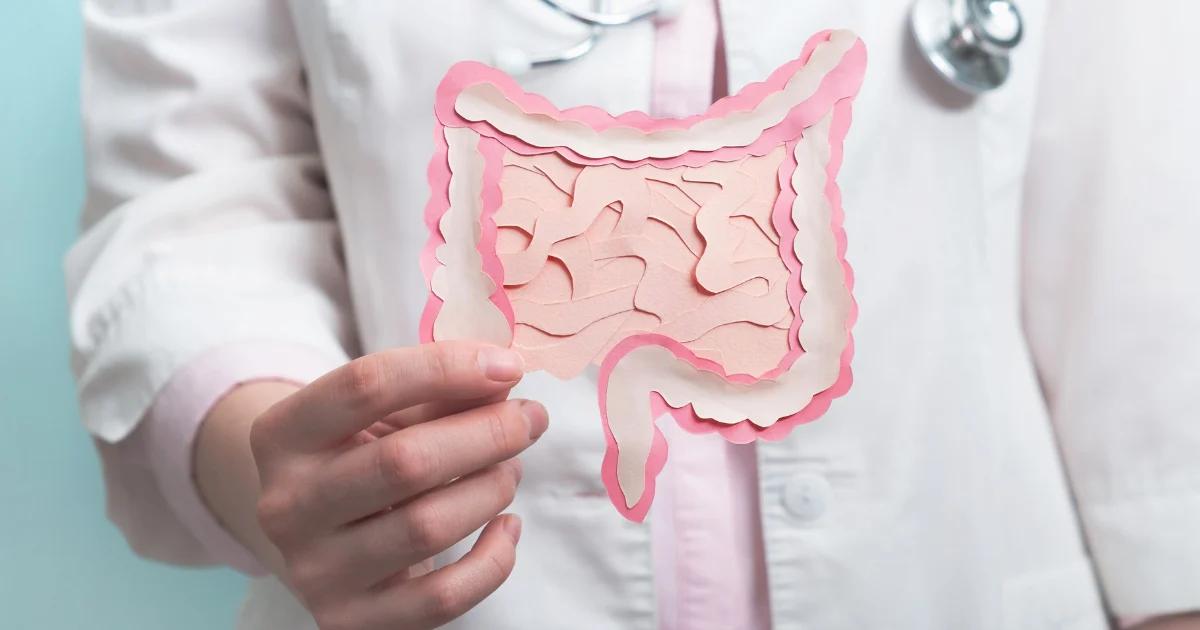


When it comes to heart health, most people think about diet, exercise, or cholesterol levels. But there’s a new player that scientists are paying close attention to the microbiome.
The microbiome refers to the trillions of bacteria, viruses, and fungi living inside our bodies, especially in the gut. Far from being harmful, these microorganisms play a vital role in digestion, immunity, and surprisingly cardiovascular health.
Recent research shows that what happens in your gut can directly influence your heart. This growing connection between the gut microbiome and heart health is helping doctors understand new ways to prevent and manage heart disease.
What Is the Microbiome?
The microbiome is a collection of microorganisms that live mainly in the intestines. Think of it as a microscopic ecosystem working silently to keep your body healthy.
Key Functions of the Microbiome:
- Digesting food and absorbing nutrients
- Producing vitamins like B12 and K
- Supporting immunity by fighting harmful bacteria
- Regulating metabolism and body weight
- Reducing inflammation, which plays a role in heart disease
When the balance of good and bad bacteria is maintained, your body functions smoothly. But when this balance is disturbed a condition known as dysbiosis, it can contribute to several health issues, including heart disease.
Learn how lifestyle factors like sleep affect your heart in The Link Between Sleep Apnea and Heart Disease.
How the Microbiome Influences Heart Health
The connection between the gut and the heart is often called the “gut-heart axis” Here’s how this powerful link works:
1. Gut Bacteria and Cholesterol Regulation
Certain gut bacteria help break down cholesterol and fats in your diet. A healthy microbiome can lower levels of “bad” LDL cholesterol and promote “good” HDL cholesterol.
An imbalance, on the other hand, may increase cholesterol buildup in arteries leading to atherosclerosis, one of the main causes of heart attack and stroke.
2. Production of Trimethylamine N-oxide (TMAO)
When we eat red meat or high-fat dairy, gut bacteria produce a substance called TMAO. High levels of TMAO in the blood have been linked to an increased risk of heart disease.
Studies suggest that managing gut bacteria can help reduce TMAO levels and support heart health.
3. Inflammation and Immune Response
An unhealthy gut can trigger chronic inflammation throughout the body. Inflammation damages blood vessel walls, contributes to plaque formation, and makes the heart work harder.
A healthy gut microbiome keeps inflammation in check and protects your cardiovascular system.
4. Blood Pressure Regulation
Recent studies indicate that gut bacteria produce short-chain fatty acids (SCFAs) that help maintain healthy blood pressure levels.
When the microbiome is imbalanced, these beneficial compounds decrease, leading to higher risks of hypertension.
5. Impact on Metabolism and Obesity
Gut bacteria influence how your body stores fat and uses energy. An unhealthy microbiome can lead to weight gain and metabolic syndrome, both of which are risk factors for heart disease.
Signs That Your Gut Microbiome Might Be Unbalanced
An unhealthy gut often shows symptoms long before heart problems appear. Pay attention to these signs:
- Frequent bloating or gas
- Irregular bowel movements
- Constant fatigue or brain fog
- Food intolerances
- Unexplained weight gain or loss
- Skin issues like acne or eczema
If you experience these issues, it might be time to discuss gut health with your doctor especially if you have other heart risk factors like high cholesterol or diabetes.
To explore related cardiovascular innovations, read How 3D Echocardiography is Transforming Cardiac Imaging.
How to Maintain a Healthy Microbiome for Heart Health
Supporting your microbiome doesn’t require complex medical treatments simple lifestyle changes can make a big difference.
Here’s how to build a gut-friendly routine that supports your heart:
1. Eat More Fiber-Rich Foods
- Include whole grains, fruits, and vegetables daily.
- Fiber feeds beneficial bacteria, helping them thrive and produce heart-protective compounds.
2. Include Fermented Foods
- Yogurt, kefir, kimchi, and pickles are rich in natural probiotics.
- These foods restore healthy gut bacteria and improve digestion.
3. Limit Processed Foods and Sugar
- Processed snacks and refined sugar disrupt the balance of gut bacteria.
- Replace them with natural foods like nuts, seeds, and fresh produce.
4. Choose Heart-Healthy Fats
- Replace saturated fats with omega-3 fatty acids from fish, walnuts, or flaxseeds.
- Omega-3s reduce inflammation and support a healthier microbiome.
5. Stay Hydrated
- Water aids digestion and helps maintain the right balance of gut bacteria.
6. Manage Stress
- Chronic stress disrupts gut bacteria and raises blood pressure.
- Mindfulness, yoga, and regular physical activity can help regulate both your microbiome and heart rate.
7. Get Enough Sleep
- Sleep impacts both gut health and cardiovascular function.
- Aim for 7-8 hours of quality rest each night.
8. Use Antibiotics Wisely
- Overusing antibiotics kills good bacteria along with harmful ones.
- Only take antibiotics when prescribed by your doctor.
Can Probiotics Help Your Heart?
Probiotics are live “good” bacteria found in supplements and fermented foods. They can help restore the natural balance of your microbiome.
Benefits of Probiotics for Heart Health:
- Lower total and LDL cholesterol
- Decrease blood pressure
- Reduce inflammation
- Improve blood sugar control
However, probiotics are not one-size-fits-all. Different strains have different effects, so it’s best to consult a healthcare provider before starting any supplements.
The Future of Microbiome Research in Heart Health
The study of the microbiome is still developing, but the findings are exciting. Scientists are exploring how manipulating gut bacteria could prevent or treat heart disease in the future.
Emerging Possibilities Include:
- Personalized probiotics based on your unique gut bacteria
- Microbiome-based therapies to reduce inflammation and improve cholesterol
- Predictive gut tests to identify heart disease risk early
These developments could make microbiome-based heart care a reality, offering a new dimension in preventive medicine.
To explore genetic innovations in cardiac health, check out The Potential of CRISPR in Treating Genetic Heart Diseases.
Practical Tips to Support Gut and Heart Health
Here are a few everyday habits that support both gut and heart health simultaneously:
- Eat Colorful Meals: Aim for a “rainbow plate” filled with vegetables and fruits. Each color offers different antioxidants and fibers that nourish good bacteria.
- Exercise Regularly: Physical activity improves blood flow and boosts the diversity of gut bacteria.
- Avoid Smoking and Limit Alcohol: Both harm beneficial gut microbes and increase the risk of heart inflammation.
- Get Regular Checkups: Routine screenings for cholesterol, blood pressure, and sugar levels can help detect heart risks early.
- Listen to Your Body: Digestive issues often point to deeper imbalances addressing them early may prevent future cardiac complications.
Conclusion
Your gut and heart are more connected than you might think. A healthy microbiome not only supports digestion but also plays a major role in regulating cholesterol, blood pressure, and inflammation all vital for heart wellness.
By maintaining a balanced diet, managing stress, and prioritizing gut health, you’re also taking a major step toward preventing heart disease.
The future of heart care may very well begin in the gut where trillions of tiny organisms quietly shape the rhythm of your heart every day.
Authoritative References
- AHA Journals - Gut Heart Axis
- Frontiers - Microbiome
- PubMed Central - Gut-Heart Axis
- Science Direct - Microbiome