
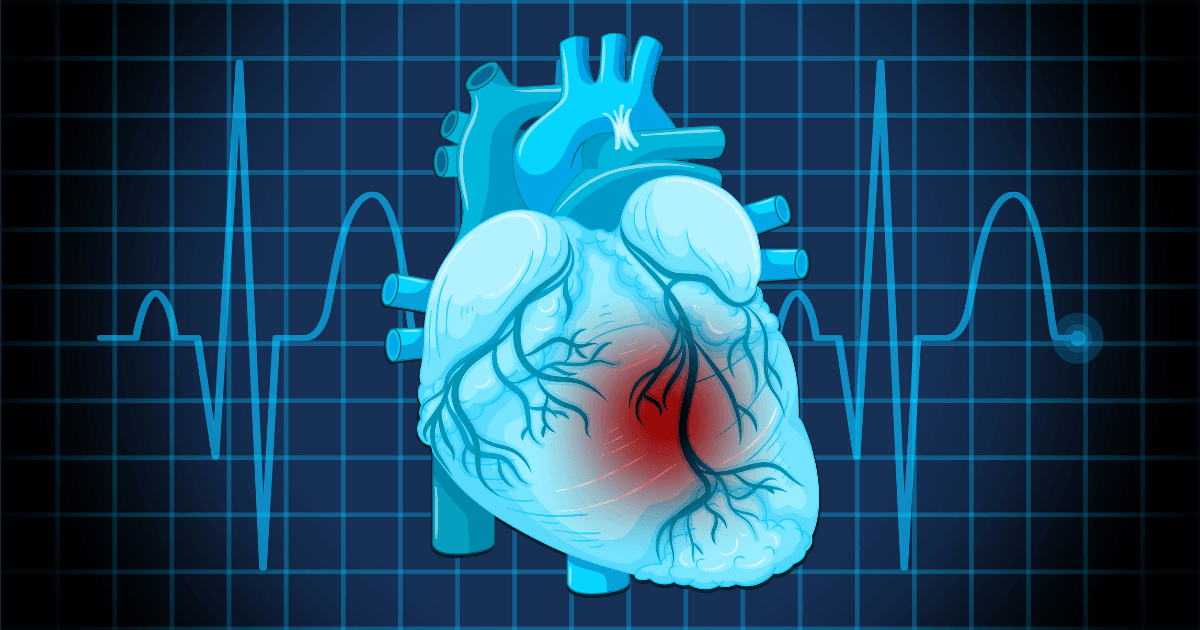


Advances in medical imaging have revolutionized the way doctors evaluate and treat heart conditions. Among these innovations, 3D echocardiography stands out as a transformative tool, offering detailed visualization of heart structures in real-time. Unlike traditional two-dimensional echocardiography, this technology provides a comprehensive and accurate view, improving diagnosis, treatment planning, and patient outcomes.
What is 3D Echocardiography?
3D Echocardiography is an imaging technique that uses sound waves to create a three-dimensional view of the heart. It allows cardiologists to assess heart structures such as valves, chambers, and blood flow in ways that were previously not possible.
Key points:
- Provides a volumetric view rather than a flat 2D image.
- Offers real-time imaging of the beating heart.
- Improves accuracy in measuring heart chamber size, valve function, and blood flow.
- Minimally invasive and safe, as it uses ultrasound rather than radiation.
How 3D Echocardiography Works
This advanced imaging relies on ultrasound probes that capture multiple planes of the heart simultaneously. Software then reconstructs these images into a three-dimensional model.
Technical Overview:
- Transducer: Emits and receives sound waves to create images.
- Real-Time Volume Imaging: Captures moving structures with high temporal resolution.
- Software Processing: Converts multiple 2D slices into a 3D visualization.
- Display: Allows rotation and manipulation to view the heart from different angles.
Bullet Points: Advantages Over 2D Echocardiography:
- Reduces measurement errors caused by geometric assumptions.
- Improves visualization of complex heart structures like valves.
- Facilitates precise planning for interventional procedures.
- Enhances communication with patients through clear visual explanations.
Applications of 3D Echocardiography in Cardiology
3D echocardiography is used for both routine evaluations and complex heart disease management. Its applications include:
1. Valve Assessment
- Evaluates the structure and function of mitral, aortic, tricuspid, and pulmonary valves.
- Helps plan procedures like valve repair or replacement.
- Detects subtle abnormalities that 2D imaging might miss.
2. Heart Chamber Analysis
- Measures chamber volumes and ejection fraction more accurately.
- Monitors heart remodeling in patients with heart failure.
- Assists in evaluating congenital heart defects.
3. Guiding Interventional Procedures
- Used during transcatheter procedures for real-time navigation.
- Helps guide device placement during valve repairs, septal defect closures, and ablations.
4. Cardiomyopathy Evaluation
- Provides detailed information about myocardial thickness and motion.
- Useful for conditions like hypertrophic cardiomyopathy or dilated cardiomyopathy.
Bullet Points: Patient Benefits
- Shorter procedure time compared to multiple 2D scans.
- Reduced need for additional imaging like CT or MRI in certain cases.
- Personalized treatment planning improves outcomes.
Advantages of 3D Echocardiography
The shift from 2D to 3D imaging is not just technological, it has real clinical benefits.
Clinical Advantages:
- Improved Accuracy: Provides precise measurement of volumes and ejection fraction.
- Better Visualization: Heart valves, chambers, and complex defects are easier to assess.
- Real-Time Imaging: Captures dynamic cardiac function as it happens.
- Enhanced Treatment Planning: Guides interventional and surgical procedures with greater confidence.
- Non-Invasive and Safe: No radiation exposure; suitable for repeated follow-ups.
Limitations and Considerations
Despite its advantages, 3D echocardiography has certain limitations.
Key Considerations:
- Image Quality: Dependent on patient’s body habitus and acoustic window.
- Training Required: Interpretation requires specialized expertise.
- Cost: Slightly higher than standard 2D echocardiography.
- Accessibility: May not be available in all centers, especially in rural areas.
Bullet Points: Overcoming Challenges
- Combining 3D with 2D echocardiography in routine practice.
- Ongoing training programs for cardiologists and technicians.
- Technological improvements continue to enhance image clarity.
Patient Experience and Comfort
3D echocardiography is non-invasive and generally comfortable for patients.
Key points:
- Patients lie on an examination table while a gel-covered transducer is moved over the chest.
- No needles, radiation, or recovery time required.
- Real-time images help patients understand their heart condition visually.
- Often completed faster than multiple traditional 2D scans.
The Future of Cardiac Imaging
3D echocardiography represents a stepping stone toward more advanced imaging technologies. Integration with 4D imaging, artificial intelligence, and machine learning will further enhance cardiac assessment.
Emerging Trends:
- 4D Echocardiography: Adds the element of time to 3D imaging for even more precise dynamic evaluation.
- AI Integration: Automated measurement and detection of subtle abnormalities.
- Hybrid Imaging: Combining echocardiography with CT or MRI for comprehensive assessment.
Bullet Points: Benefits for Patients and Clinicians
- Personalized treatment based on detailed visualization.
- Earlier detection of complex heart conditions.
- Reduced procedural complications in interventional cardiology.
- Improved outcomes and patient satisfaction.
When 3D Echocardiography is Recommended
Indications for 3D echocardiography include:
- Suspected valve disease or planning valve intervention.
- Evaluation of complex congenital heart defects.
- Monitoring patients with heart failure or cardiomyopathies.
- Pre- and post-operative assessment of cardiac surgery patients.
Conclusion
3D echocardiography is transforming cardiac imaging by providing detailed, real-time, three-dimensional views of the heart. It improves diagnosis, guides interventions, and helps patients understand their conditions better. While it requires specialized training and slightly higher costs, the clinical and patient benefits are significant. As technology advances, 3D echocardiography will continue to be a cornerstone of modern cardiology.
Authoritative References
- The British Journal of Cardiology - 3D Echocardiography
- American Society of Echocardiography - 3D Echocardiography
- Science Direct - 3D Echocardiography