
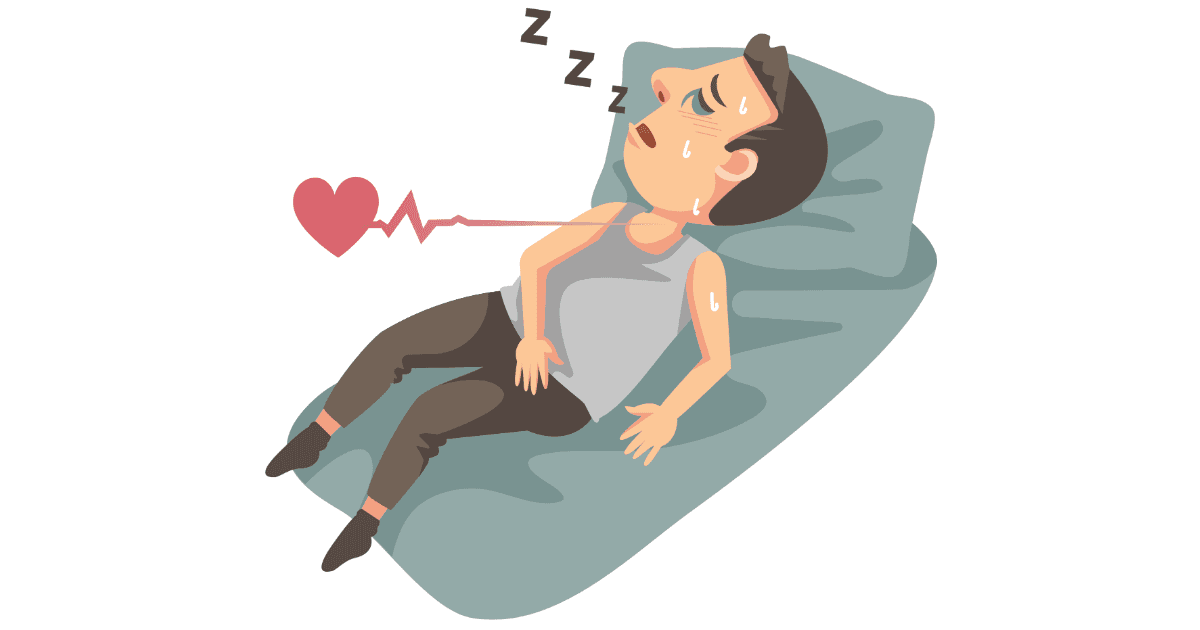


Sleep is essential for overall health, but for many individuals, restful sleep is disrupted by sleep apnea, a condition where breathing repeatedly stops and starts during sleep. Beyond causing daytime fatigue, research shows that sleep apnea significantly impacts cardiovascular health. Understanding this link is crucial for preventing heart complications and improving quality of life.
What is Sleep Apnea?
Sleep apnea is a sleep disorder characterized by repeated pauses in breathing during sleep. These pauses can last from a few seconds to over a minute and may occur dozens of times per night.
Key points:
- Two main types:
- Obstructive Sleep Apnea (OSA): Caused by a blockage of the airway, usually when the soft tissue in the back of the throat collapses.
- Central Sleep Apnea (CSA): Occurs when the brain fails to send proper signals to the muscles that control breathing.
- Common symptoms include loud snoring, daytime sleepiness, morning headaches, and difficulty concentrating.
- Risk factors include obesity, age, male gender, family history, and certain medical conditions.
How Sleep Apnea Affects the Heart
Sleep apnea can have serious consequences for the heart due to intermittent oxygen deprivation and frequent surges in blood pressure during the night.
Key cardiovascular impacts:
- High blood pressure: Repeated drops in oxygen levels trigger stress responses, raising blood pressure.
- Arrhythmias: Irregular heartbeats may develop, including atrial fibrillation.
- Heart failure: Chronic sleep apnea can strain the heart, leading to reduced pumping efficiency.
- Coronary artery disease: Increased stress on the heart may accelerate plaque buildup in arteries.
Mechanisms Behind the Link
The connection between sleep apnea and heart disease is mediated by several physiological mechanisms:
- Intermittent hypoxia: Repeated oxygen drops increase oxidative stress, damaging blood vessels.
- Sympathetic nervous system activation: Frequent awakenings trigger “fight or flight” responses, raising heart rate and blood pressure.
- Inflammatory response: Sleep apnea promotes inflammation, which contributes to atherosclerosis.
- Endothelial dysfunction: Damage to the inner lining of blood vessels increases cardiovascular risk.
Physiological Insights
- Sleep disruptions activate stress hormones like cortisol and adrenaline.
- Blood vessels lose elasticity over time, increasing heart workload.
- Chronic inflammation may accelerate heart disease progression.
- Sleep apnea can worsen existing heart conditions, creating a feedback loop of risk.
Identifying Sleep Apnea
Early detection of sleep apnea is essential to protect heart health.
Signs and symptoms to watch for:
- Loud or chronic snoring.
- Gasping, choking, or interrupted breathing during sleep.
- Morning headaches or dry mouth.
- Daytime fatigue, irritability, or concentration difficulties.
Diagnostic Methods:
- Polysomnography (Sleep Study): Monitors oxygen levels, breathing patterns, and heart rate overnight.
- Home Sleep Tests: Less comprehensive but convenient for initial screening.
- Medical Evaluation: Physicians may assess risk factors, symptoms, and cardiovascular history.
Treatment Options
Effective management of sleep apnea can significantly reduce cardiovascular risk.
Common treatments:
- Lifestyle Modifications:
- Weight loss for overweight individuals.
- Avoiding alcohol and sedatives before bedtime.
- Sleeping on one’s side to prevent airway collapse.
- Continuous Positive Airway Pressure (CPAP):
- Device delivers air pressure to keep airways open during sleep.
- Reduces blood pressure and risk of arrhythmias.
- Oral Appliances:
- Custom devices reposition the jaw and tongue to maintain airway patency.
- Surgical Interventions:
- For severe anatomical obstruction, procedures like uvulopalatopharyngoplasty may be recommended.
Benefits of Treatment
- Improved oxygen levels at night.
- Lowered blood pressure and reduced heart strain.
- Better daytime alertness and quality of life.
- Reduced risk of heart attack, stroke, and heart failure.
Lifestyle Tips to Support Heart Health with Sleep Apnea
Alongside medical treatment, lifestyle habits play a key role in reducing cardiovascular risk.
Practical recommendations:
- Maintain a healthy weight: Even modest weight loss can reduce apnea severity.
- Exercise regularly: Aerobic activity supports heart and lung function.
- Adopt good sleep hygiene: Maintain consistent sleep schedules and a restful sleep environment.
- Limit alcohol and sedatives: Prevent airway relaxation that worsens apnea.
- Monitor blood pressure and heart health: Regular check-ups help detect early changes.
Preventive Actions
- Keep a sleep diary to track symptoms and triggers.
- Engage in stress-reducing activities like meditation or light yoga.
- Avoid smoking to prevent airway inflammation.
- Ensure timely follow-up with cardiologists and sleep specialists.
When to Seek Medical Attention
Seek professional help if you notice:
- Persistent or loud snoring with witnessed breathing pauses.
- Unexplained fatigue or sleepiness during the day.
- High blood pressure despite lifestyle measures.
- Signs of heart complications such as palpitations, chest discomfort, or shortness of breath.
Conclusion
Sleep apnea is more than a sleep disorder, it is a serious risk factor for heart disease. By disrupting oxygen supply and activating stress responses, sleep apnea places strain on the cardiovascular system, increasing the likelihood of hypertension, arrhythmias, and heart failure. Recognizing symptoms, undergoing appropriate testing, and following treatment plans can protect the heart and improve overall quality of life.
Authoritative References
- American Heart Association - Sleep Apnea and Heart Health
- Harvard Health Publishing - How Sleep Apnea affect the Heart?
- National Library of Medicine - Sleep Apnea and Cardiovascular Health