
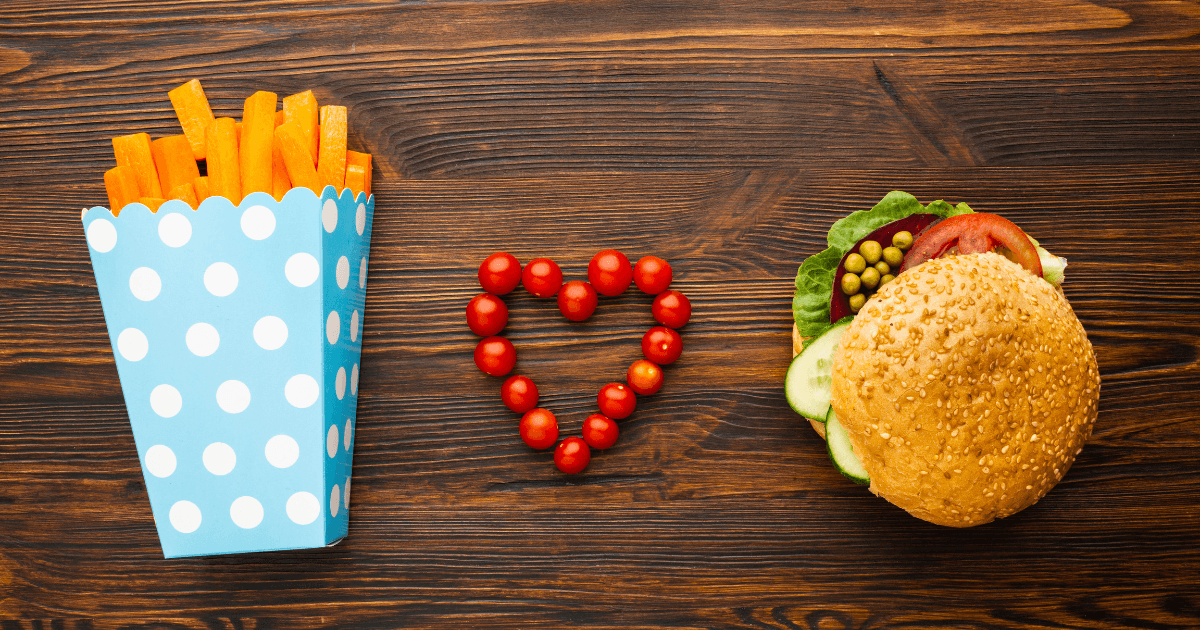


Processed foods have become a staple in modern diets convenient, tasty, and long-lasting. But behind the attractive packaging lies a hidden danger, especially for your heart. This blog explores how processed foods affect heart health, what makes them harmful, and how you can make better dietary choices to protect your heart. Whether you're managing a heart condition or aiming to prevent one, understanding the impact of what’s on your plate is crucial.
What Are Processed Foods?
Processed foods refer to any food that has been altered from its natural state for safety, convenience, or shelf life. Not all processed foods are inherently unhealthy, but ultra-processed items pose significant health risks.
Common examples of processed foods include:
- Packaged snacks like chips, cookies, and crackers
- Ready-to-eat meals and frozen dinners
- Processed meats such as sausages, bacon, and cold cuts
- Sugar-sweetened beverages, energy drinks, and sodas
- Instant noodles and flavored cereals
While minimal processing (like freezing or pasteurizing) can help preserve nutrients, ultra-processing often strips foods of their natural benefits and adds harmful ingredients like trans fats, excessive salt, and refined sugar.
The Heart-Processed Food Connection
Several studies have established a strong link between processed food consumption and increased risk of cardiovascular diseases. Here's how these foods affect heart health:
1. High Sodium Content
Excessive salt intake from processed foods contributes to:
- Elevated blood pressure (hypertension)
- Stiffening of arteries
- Higher risk of stroke and heart failure
Fact: The average Indian adult consumes more than double the recommended sodium intake, mostly from packaged foods.
2. Hidden Sugars
Many processed items are loaded with added sugars that increase the risk of:
- Type 2 diabetes (a major heart disease risk factor)
- High triglyceride levels
- Obesity and metabolic syndrome
3. Unhealthy Fats
Ultra-processed foods often contain trans fats or refined oils that:
- Raise LDL (bad) cholesterol
- Lower HDL (good) cholesterol
- Promote inflammation in blood vessels
4. Lack of Fiber
Natural foods like whole grains, fruits, and vegetables contain heart-healthy fiber. Processed foods are typically stripped of fiber, leading to:
- Poor digestion
- Elevated cholesterol levels
- Increased risk of coronary artery disease
How Processed Foods Impact Your Body Over Time
Consuming processed foods occasionally might not cause harm. But regular intake over years can trigger a cascade of health issues:
A. Weight Gain & Obesity
- High-calorie content and low satiety value promote overeating
- Sweetened beverages and fried snacks increase abdominal fat
B. Insulin Resistance
- Diets high in refined carbohydrates impair insulin sensitivity
- This increases the risk of prediabetes and cardiovascular complications
C. Inflammation
- Artificial additives, emulsifiers, and preservatives can inflame arterial linings
- Chronic inflammation is a key driver of atherosclerosis
D. Oxidative Stress
- Lack of antioxidants and high exposure to processed oils generate free radicals
- Damaged cells and tissues accelerate heart aging
How to Identify Ultra-Processed Foods
Reading labels can help you steer clear of harmful items. Watch out for:
- Long ingredient lists with unrecognizable names
- Additives like artificial colorants, emulsifiers, or preservatives
- Excessive sodium, sugar, and saturated fat percentages
- Words like “instant,” “ready-to-eat,” or “just add water”
Tip: If your grandparents wouldn’t recognize it as food, it’s probably not heart-friendly.
How to Replace Processed Foods in Your Diet
Switching to a heart-smart diet doesn't mean giving up flavor or convenience. Here’s how you can start:
Choose whole, minimally processed foods:
- Fresh fruits and vegetables
- Whole grains like brown rice, oats, and millets
- Pulses, legumes, and sprouts
- Lean proteins: fish, eggs, tofu, and chicken
- Cold-pressed oils and nuts in moderation
Smart Swaps:
- Instead of white bread → Choose multigrain or whole wheat bread
- Instead of soda → Opt for lemon water, buttermilk, or coconut water
- Instead of instant noodles → Try boiled whole wheat pasta with veggies
- Instead of packaged snacks → Keep roasted chana or makhana handy
The Indian Diet & Processed Food Trends
India is seeing a surge in lifestyle diseases due to growing urbanization and increasing dependency on convenience foods. Young adults, especially, are eating more takeout and processed meals.
If you're trying to understand how your everyday eating habits impact heart health.
What Does Research Say?
- A large-scale study published in BMJ found that for every 10% increase in ultra-processed food intake, there's a 12% increase in cardiovascular disease risk.
- The World Health Organization warns against the consumption of industrial trans fats and promotes bans across countries to reduce coronary heart disease.
FAQs: Processed Foods & Your Heart
Q1: Can I eat processed foods in moderation without harming my heart?
Yes, occasional consumption is generally safe. The danger lies in making them a dietary staple. Choose items with fewer additives and lower salt/sugar content.
Q2: Are all frozen foods bad?
Not necessarily. Frozen fruits, vegetables, or meats without added sauces or sodium can be part of a heart-healthy diet.
Q3: What are the best snacks for heart health?
Some excellent options include:
- Unsalted nuts
- Fresh fruit slices
- Roasted seeds
- Homemade popcorn (air-popped)
Q4: Is it okay to consume diet soda or sugar-free processed items?
While low in sugar, many diet products contain artificial sweeteners and chemicals that may disrupt metabolism. It’s best to use them occasionally.
Final Thoughts: Choose Your Heart Over Convenience
Your heart is a hardworking organ that deserves the best fuel. Processed foods, despite their allure, are loaded with ingredients that silently strain your cardiovascular system. By becoming mindful of what you eat and making simple changes, you can significantly reduce your risk of heart disease. You don’t need to follow a perfect diet but even reducing processed food intake by 30-40% can offer measurable heart benefits. Start today, one meal at a time.