
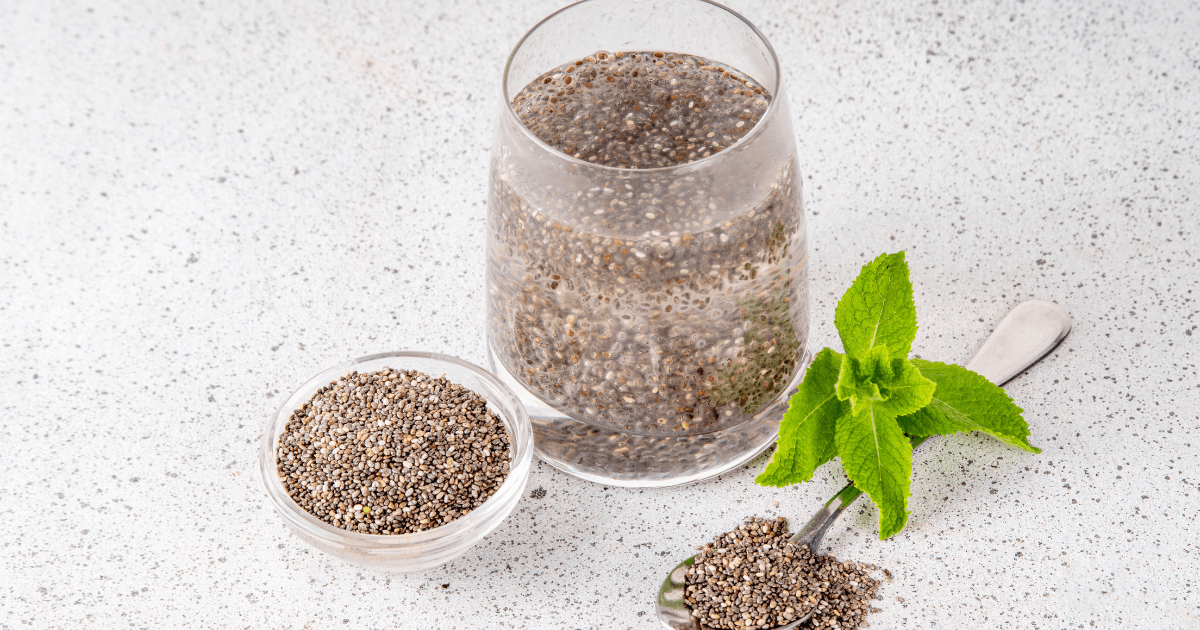


Chia seeds have become a staple in health-conscious diets worldwide, and it’s easy to see why. These tiny seeds pack a powerful nutritional punch, especially when it comes to supporting heart health. From reducing cholesterol to lowering inflammation, chia seeds offer natural ways to boost cardiovascular wellness.
In this blog, we’ll explore why chia seeds are considered a superfood, how they benefit the heart, and simple ways to include them in your daily diet.
What Are Chia Seeds?
Chia seeds come from the plant Salvia hispanica, native to Central America. Despite their small size, they are loaded with nutrients essential for overall health. Just a single ounce of chia seeds (about 28 grams) provides:
- Fiber: Supports digestion and heart health
- Omega-3 fatty acids: Reduces inflammation and improves cholesterol
- Protein: Helps maintain muscle and keeps you full
- Calcium: Strengthens bones and supports heart function
- Magnesium: Regulates blood pressure and heart rhythm
- Antioxidants: Protects cells from damage caused by free radicals
Fun fact: Chia seeds can absorb up to 12 times their weight in water, forming a gel-like texture that slows digestion and promotes satiety.
How Chia Seeds Benefit Heart Health
Chia seeds support the heart in multiple ways, making them a powerful addition to a heart-healthy diet.
1. Rich in Omega-3 Fatty Acids
Omega-3s are essential fats that help reduce inflammation in arteries, lower triglycerides, and improve overall blood vessel function. Regular consumption of omega-3s is linked to a reduced risk of heart disease.
2. High in Fiber
Chia seeds are loaded with soluble fiber, which helps:
- Lower LDL (bad) cholesterol
- Stabilize blood sugar levels
- Support weight management
Fiber also helps keep your digestive system healthy, which indirectly supports cardiovascular wellness.
3. Packed with Antioxidants
Antioxidants protect your blood vessels from oxidative stress and free radical damage, reducing the risk of atherosclerosis (hardening of the arteries).
4. Supports Blood Pressure and Heart Rhythm
Thanks to their magnesium content, chia seeds help relax blood vessels, regulate blood pressure, and maintain a healthy heart rhythm.
How to Include Chia Seeds in Your Diet
Incorporating chia seeds into your meals is easy and versatile. Here are some practical ideas:
- Chia Pudding: Mix 3 tablespoons of chia seeds with a cup of milk or plant-based milk. Let it sit overnight, then top with fruits, nuts, or a drizzle of honey.
- Smoothies: Add 1–2 tablespoons of chia seeds to your favorite smoothie. They thicken the texture and add a nutritional boost.
- Baking: Sprinkle chia seeds in muffins, bread, or energy bars. They can even replace eggs in vegan recipes (1 tablespoon chia + 3 tablespoons water = 1 egg).
- Salads and Yogurt: Add a spoonful of chia seeds to salads, yogurt, or oatmeal for a crunchy, nutrient-dense boost.
Tip: Start with small amounts (1–2 tablespoons/day) and drink plenty of water to aid digestion.
Comparing Chia Seeds with Other Heart-Healthy Foods
While chia seeds are a nutritional powerhouse, other foods also support heart health. For example:
- Flax Seeds: Rich in omega-3s and fiber, they help reduce LDL cholesterol.
- Walnuts: Contain omega-3s and protein, improving blood vessel function.
- Oats: Provide soluble fiber (beta-glucan) that lowers cholesterol.
- Fatty Fish (Salmon, Mackerel): High in omega-3s, reduces triglycerides and supports heart rhythm.
Observation: Chia seeds combine fiber, omega-3s, and antioxidants in one tiny package, making them unique and easy to integrate into a variety of meals.
Who Should Include Chia Seeds?
Chia seeds are safe for most people, but they are particularly beneficial for:
- Adults with high cholesterol or triglycerides
- People with diabetes, as fiber helps regulate blood sugar
- Individuals seeking plant-based protein and omega-3s
- Those wanting to manage weight and support heart health
Caution: People with digestive issues, swallowing difficulties, or those on blood-thinning medications should consult a healthcare provider before adding large amounts of chia seeds.
Tips for Maximizing Heart Benefits
To get the most out of chia seeds for your heart:
- Stay hydrated, as chia seeds absorb water and expand
- Combine with other heart-healthy foods like fruits, vegetables, and nuts
- Consume in moderation: 1–2 tablespoons per day is sufficient
- Choose organic, non-processed chia seeds to avoid added sugars or fillers
FAQs: Chia Seeds and Heart Health
Q1: Can chia seeds reduce cholesterol?
Yes, the soluble fiber in chia seeds helps lower LDL (bad) cholesterol and supports overall heart health.
Q2: How much chia should I eat daily?
1–2 tablespoons per day is enough to reap heart-healthy benefits.
Q3: Can chia seeds help with weight loss?
Yes, their ability to absorb water and expand in the stomach promotes satiety, helping control appetite.
Q4: Are chia seeds suitable for diabetics?
Absolutely. Their fiber helps regulate blood sugar levels and may reduce cardiovascular risk.
Q5: Can I eat chia seeds raw?
Yes, but soaking them in water or milk improves digestion and nutrient absorption.
Conclusion
Chia seeds may be tiny, but their impact on heart health is mighty. With a combination of fiber, omega-3 fatty acids, magnesium, and antioxidants, they help reduce cholesterol, support healthy blood pressure, and protect your arteries.
Incorporating chia seeds into a balanced diet is easy, versatile, and highly effective. Pair them with regular exercise, proper hydration, and a nutrient-rich diet to maximize heart health benefits.
Taking this small step each day can help you build a stronger, healthier heart naturally.