
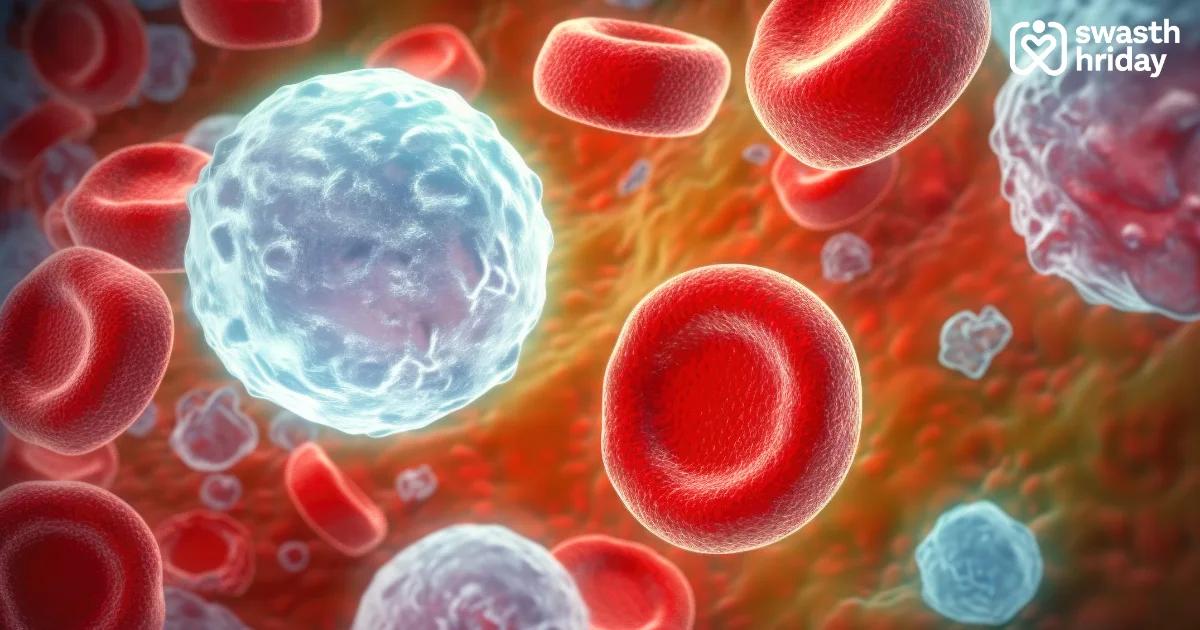


Winter brings cozy blankets, hot drinks, and festive moods but it also brings some hidden health risks that many people don’t know about. One of them is the increased chance of developing Blood Clots during the colder months. These clots can block blood flow, cause pain, swelling, and in severe cases, affect the lungs or heart. Doctors often see more clotting issues in winter because the cold weather naturally changes how our blood behaves.
While this topic may sound scary, the good news is that most winter-related clotting problems can be prevented with simple lifestyle steps. This blog explains, in very simple language, why winter increases your risk, who needs to be careful, what symptoms to notice, and how to protect yourself.
Why Blood Flow Changes in Winter
When temperatures drop, your body tries to keep you warm. One way it does this is by narrowing the blood vessels in the arms and legs. While this is a natural response, it can slow blood circulation and make it easier for clots to form.
How Winter Affects Circulation
- Cold weather makes blood slightly thicker
- Blood vessels tighten to protect the body's warmth
- People move less due to cold temperatures
- Many drink less water in winter, causing dehydration
- Long hours indoors make people more sedentary
Together, these factors create the perfect environment for clot formation, especially in people who are already at risk.
Who Is Most at Risk During Winter?
Anyone can develop clots, but some groups need to be especially careful. Understanding these risk factors can help you take preventive steps early.
People With Higher Risk Include:
- Individuals over 60
- Those with obesity
- People recovering from surgery
- Anyone with long travel hours (car, bus, train, or flight)
- Patients with heart disease
- People with diabetes or high blood pressure
- Individuals with a family history of clotting issues
- Cancer patients or those undergoing chemotherapy
Your risk also increases if you have had a clot in the past. For such people, winter requires extra awareness and caution.
Learn More About Cold Weather & Heart Health: Hidden Dangers You Should Know and How to Avoid.
Common Winter Habits That Increase Clotting Risk
Most people don’t realize that everyday winter behaviours can slowly trigger clot formation. Doctors say that small lifestyle changes can make a big difference.
1. Sitting for long hours
- Working from home under a blanket
- Long hours watching TV or binge-watching series
- Travelling in warm, closed spaces
2. Drinking less water
People often feel less thirsty in winter, but dehydration makes blood thicker.
3. Using room heaters excessively
Room heaters dry out the air, causing dehydration without you noticing it.
4. Eating heavier foods
Winter celebrations lead to consumption of oily, salty, and sugary foods that can affect circulation.
5. Wearing tight clothing
Thermal wear or socks that are too tight can restrict blood flow in the legs.
Key Symptoms of Winter-Related Clots
Recognizing symptoms early can prevent serious complications. Clots commonly form in the legs a condition known as deep vein blockage.
Warning Signs You Should Not Ignore
- Sudden swelling in one leg
- Pain or tenderness in the calf
- Warmth in a specific area of the leg
- Skin turning red or dark
- Unexplained leg cramps
If a clot travels to the lungs, symptoms become more serious:
- Sudden shortness of breath
- Sharp chest pain
- Fast heartbeat
- Light-headedness
In such cases, immediate medical attention is necessary.
Why Winter Blood Clots Are Linked to the Heart
Even though clots often start in the legs, they can affect the heart if they travel through the bloodstream. This is why cardiologists warn people not to ignore early symptoms.
How Clots Affect Heart Health
- They can raise the risk of heart attack
- Increase strain on the heart’s pumping action
- Reduce oxygen flow in the body
- Cause sudden chest discomfort
People with existing heart issues need to be especially cautious in winter. If you want to understand how other conditions affect the heart, you may explore our blog on Iron Levels & Heart Function: How Deficiency Impacts Your Heartbeat.
How to Reduce Your Risk in Winter
You do not need expensive treatments or extreme lifestyle changes. Simple habits can help maintain blood flow and lower risk.
1. Stay Warm, But Not Too Warm
- Keep your legs and feet covered
- Avoid sitting directly in front of heaters
- Don’t allow your body temperature to fluctuate too quickly
2. Keep Moving Every 30-45 Minutes
- Walk around your home
- Stretch your legs
- Avoid sitting cross-legged for long periods
3. Stay Hydrated
- Drink warm water
- Herbal teas without too much sugar
- Keep a bottle next to your workspace
4. Maintain a Balanced Winter Diet
- Include warm soups
- Add vegetables like spinach, carrot, beetroot
- Include nuts and seeds
- Reduce excessive fried foods
5. Wear Comfortable Clothing
- Avoid tight thermal wear
- Choose socks with light compression only if recommended by a doctor
6. Manage Heart-Related Conditions
- Keep BP and sugar levels in check
- Take medications on time
- Avoid sudden exposure to extremely cold temperatures
Special Precautions for High-Risk Patients
If you already have a medical condition, winter may require extra care. Doctors usually give personalized advice, but here are general recommendations:
If You Have a History of Clots
- Don’t skip blood thinners
- Avoid long stationary hours
- Wear doctor-approved compression stockings
If You Have Heart Disease
- Monitor your blood pressure
- Avoid heavy meals late at night
- Stay warm during morning walks
If You Recently Had Surgery
- Follow your doctor’s movement guidelines
- Keep your legs elevated when resting
- Stay hydrated throughout the day
If You Travel Frequently
- Stretch your legs every hour
- Walk around during long journeys
- Drink water, and avoid too much coffee or alcohol
Myths vs Facts About Winter Clots
Myth 1: Only older people get clots
Fact: Anyone can develop clotting issues, especially during winter inactivity.
Myth 2: Clots only happen if you injure your leg
Fact: Most clots happen silently without any injury.
Myth 3: If swelling goes away, it’s nothing serious
Fact: Temporary improvement does not mean the clot is gone.
Myth 4: Only smokers need to worry about clots
Fact: Smoking increases risk, but so do dehydration, inactivity, and medical conditions.
When Should You See a Doctor?
You should seek medical help if you experience:
- Persistent swelling in one leg
- Sudden pain in the calf
- Unexplained shortness of breath
- Chest discomfort
- Warmth or redness on your leg
If you have risk factors like diabetes, heart disease, or high blood pressure, don’t wait early diagnosis can prevent severe complications.
Conclusion
Winter is a beautiful season, but it brings certain risks that we often ignore. Since circulation slows down in cold weather, the chances of developing Blood Clots naturally increase. Understanding your risk factors, being aware of symptoms, and making simple lifestyle adjustments can help you stay safe.
Keeping your legs moving, staying hydrated, eating wisely, and managing existing medical conditions can prevent most winter-related clotting complications. If you feel any discomfort or unusual symptoms, consult a doctor without delay. Heart specialists emphasize early detection because timely treatment reduces complications and protects your overall heart health.
Authoritative References
- MedStar Health - Winter Blood Clots
- North Atlanta Vascular Clinic - Winter Blood Clot
- PubMed Central - Weather and Blood Clot