


Iron is one of the most underestimated nutrients in the body, yet it plays a direct role in how your heart beats, pumps blood, and delivers oxygen to every organ. When iron levels drop, your body struggles silently for a long time before symptoms appear. Many people feel tired, breathless, or notice a racing heartbeat, but they rarely connect these signs to low iron.
In this blog, we will understand how Iron Levels & Heartbeat are deeply linked, what happens when iron deficiency continues for months or years, and what parents, working adults, and seniors should watch for. The aim is to help you recognize early signals so your heart stays strong and healthy.
How Iron Helps Your Heart Work Smoothly
Iron is essential for forming hemoglobin the part of blood that carries oxygen. Without enough iron, your tissues and heart muscles receive less oxygen, forcing the heart to work harder. This connection explains why even mild deficiency can affect heart performance.
Why Iron Matters for Heart Function
- It helps carry oxygen from the lungs to the rest of the body.
- It ensures the heart muscles contract properly.
- It prevents unnecessary strain on the heartbeat.
- It supports energy levels, preventing exhaustion that makes the heart work harder.
What Happens to the Heart When Iron Levels Drop?
Even mild iron deficiency can change the way your heart functions. Over time, your heart tries to compensate for low oxygen by beating faster and harder.
Common Effects on Heart Function
- Rapid heartbeat (tachycardia): The heart speeds up to compensate for low oxygen.
- Shortness of breath: Simple activities start feeling difficult.
- Chest discomfort: Due to strained heart muscles.
- Frequent fatigue: The body cannot generate enough energy.
- Low stamina: Even light physical work becomes tiring.
These symptoms often look like stress or low fitness, which is why iron deficiency goes undiagnosed for years.
How Iron Deficiency Affects Your Heartbeat
Your heartbeat reflects the health of your heart muscles, oxygen supply, and blood quality. When iron levels fall, the heart changes its rhythm to cope with reduced oxygen.
Changes Seen in Heartbeat Patterns
- Irregular heartbeats: Missing beats or fluttering sensation.
- Pounding heartbeat: Even during rest or light activity.
- Faster heartbeat: The heart tries to deliver more blood with limited resources.
- Weak pulse: Due to reduced oxygen-carrying capacity.
These changes may not always be dangerous initially, but long-term untreated deficiency can weaken heart muscles and increase the risk of heart-related complications.
Who Is Most at Risk of Iron Deficiency Affecting Heart Health?
Iron deficiency does not affect everyone equally. Certain groups are more likely to experience heart-related symptoms.
Higher-Risk Groups
- Children: Poor diet can lead to tiredness and weak immunity.
- Women: Menstruation, pregnancy, and lifestyle factors make deficiency common.
- Vegetarians: Plant-based iron is harder for the body to absorb.
- Elderly adults: Digestion slows with age, affecting nutrient absorption.
- People with chronic diseases: Diabetes, thyroid issues, or gut disorders increase the risk.
Recognizing risk early helps prevent complications before they reach the heart.
Iron Deficiency vs Anemia: Understanding the Difference
Many think iron deficiency and anemia are the same. They are not.
Key Differences
- Iron deficiency is low iron stores in the body.
- Iron-deficiency anemia is a more advanced stage where hemoglobin becomes low.
Early iron deficiency already affects energy levels and heartbeat, even before anemia begins. This makes routine testing important.
If you have written blogs about chronic fatigue or weak heart muscles, you can link them here for SEO.
Symptoms You Should Never Ignore
Iron deficiency often develops slowly, giving early warning signs that people dismiss as “normal tiredness.”
Physical Symptoms
- Very low energy
- Pale skin
- Cold hands and feet
- Low concentration
- Hair fall or brittle nails
Heart-Related Symptoms
- Fast heartbeat even at rest
- Shortness of breath
- Light-headedness
- Feeling faint after simple exertion
When to Seek Help Immediately
- If you notice persistent chest discomfort
- If your heartbeat feels irregular for days
- If breathlessness increases even without activity
How Doctors Diagnose Iron & Heart Issues
A heart specialist usually uses simple tests to understand what your heart and iron levels look like.
Common Tests Include
- Blood test (for iron, ferritin, hemoglobin)
- ECG (to examine heartbeat pattern)
- Echocardiogram (to check heart muscle strength)
- Iron-binding tests (to assess how well your body uses iron)
These tests help identify whether the heart problems are due to low iron or other conditions.
How Low Iron Levels Impact Long-Term Heart Health
Low iron may seem harmless at first, but long-term deficiency can damage the heart.
Potential Complications
- Enlarged heart: The heart expands due to overwork.
- Weak heart muscles: Leading to heart failure in severe cases.
- Poor exercise tolerance: Reduced quality of life.
- Higher risk of arrhythmia: Irregular heartbeat patterns.
Good news most of these problems can be reversed with timely diagnosis and treatment.
Treatment Options: How to Improve Iron Levels Safely
Treatment depends on how low your iron levels are and how long they have been low.
Dietary Changes
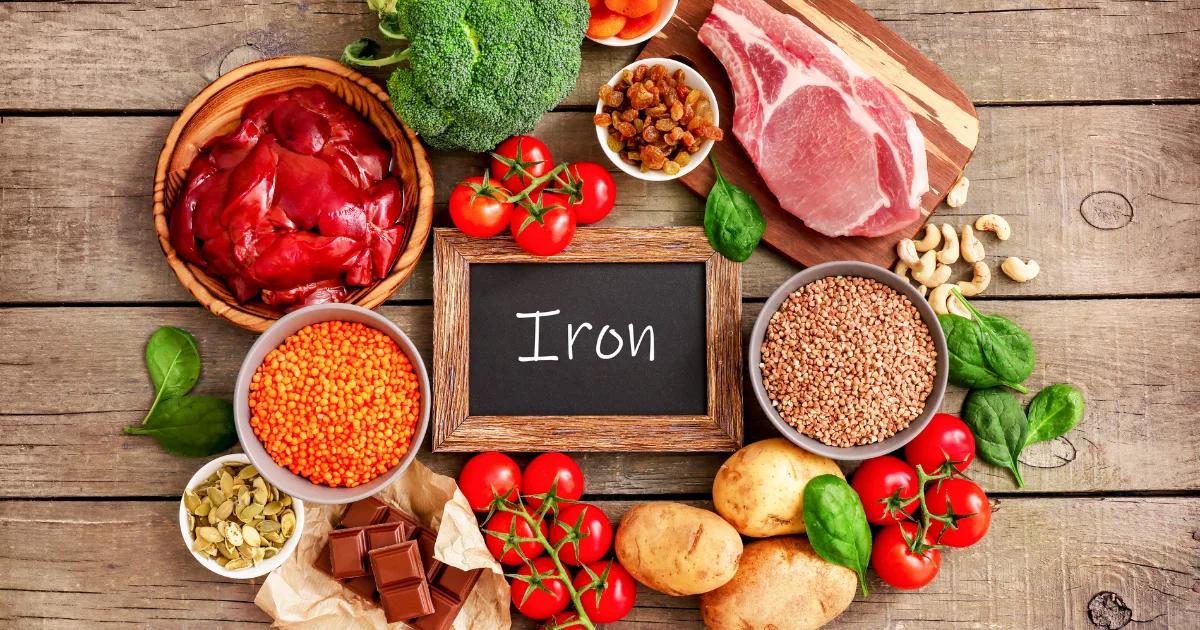
Include foods such as:
- Green leafy vegetables
- Lentils and beans
- Iron-rich cereals
- Beetroot
- Lean meat or eggs (if non-vegetarian)
Iron Supplements
- Prescribed when dietary changes are not enough.
- Should always be taken under medical supervision.
Vitamin C Pairing
It improves iron absorption naturally.
Treating Underlying Conditions
If poor absorption or heavy blood loss is the cause, doctors treat that first.
Lifestyle Tips to Maintain Healthy Iron Levels & Heart Function
Daily habits can significantly impact how well your heart and iron levels stay balanced.
Simple Heart-Healthy Tips
- Eat iron-rich foods regularly.
- Avoid excessive tea/coffee right after meals (reduces absorption).
- Stay hydrated throughout the day.
- Get enough sleep.
- Exercise lightly to improve blood circulation.
Common Questions Patients Ask
1. Can low iron cause heart attack-like symptoms?
Yes, severe deficiency can mimic heart-related discomfort but it rarely causes a heart attack. Still, symptoms should never be ignored.
2. Can improving iron levels fix heartbeat issues?
In many cases, yes. Once iron levels rise, the heart does not need to work as hard, and heartbeat patterns improve.
3. Is iron deficiency reversible?
Almost always. Both diet and supplements help restore levels effectively.
4. How soon will symptoms improve after treatment?
Fatigue improves first, then breathing, and finally heartbeat irregularities. Most people feel better within 4-8 weeks.
5. Can children have iron-related heart symptoms?
Yes. Low iron in children can cause fatigue, low stamina, and fast heartbeat early diagnosis is important.
Conclusion: Your Heartbeat Is a Mirror of Your Iron Health
Your heartbeat is one of the first places where iron deficiency silently shows up. If you notice tiredness, breathlessness, or unusual heartbeat patterns, it is worth checking your iron levels early. Taking timely steps can prevent long-term strain on your heart and significantly improve your energy and quality of life.
Authoritative References
- AHA Journals - Iron Deficiency
- PubMed Central - Iron and Cardiovascular Health
- Indiana University - Iron and Heart Health
- World Heart Federation - Iron Deficiency and Heart Health
- Science Direct - Iron and Cardiovascular Health