
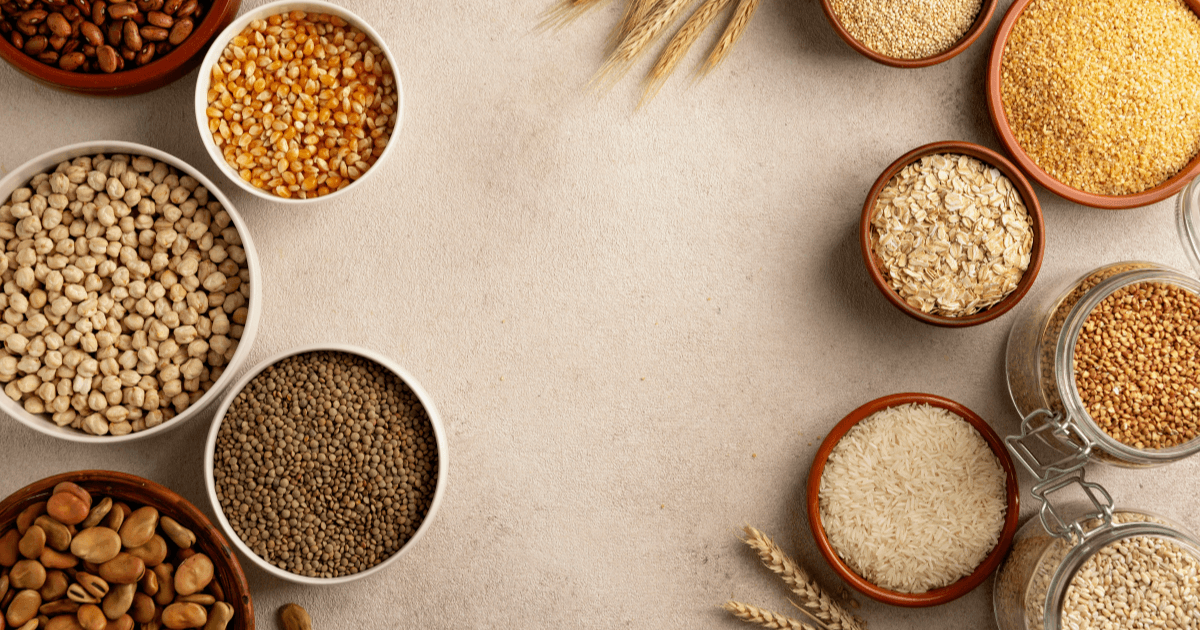


When it comes to protecting your heart, every bite you take matters. Among the countless diet trends and health hacks out there, one time-tested champion for heart health remains whole grains. Packed with fiber, essential nutrients, and heart-friendly compounds, whole grains have been linked to lower cholesterol, improved blood pressure, and reduced risk of heart disease.
But how do these humble grains actually help your heart? And how can you make them a part of your daily meals without getting bored? Let’s explore the science, the benefits, and the simple ways to make whole grains a regular part of your heart-healthy lifestyle.
What Are Whole Grains?
Whole grains are grains that still contain all three edible parts of the seed:
- Bran – The fiber-rich outer layer packed with antioxidants and B vitamins.
- Germ – The nutrient core containing healthy fats, vitamins, and minerals.
- Endosperm – The starchy middle layer providing energy.
Refined grains, such as white rice or white bread, have the bran and germ removed during processing stripping away most of the nutrients and heart-protective fiber.
For more on how processed food can silently harm your heart, see our article: Processed Foods & Your Heart: A Dangerous Love Affair.
Why Whole Grains Matter for Heart Health
Whole grains benefit the heart in multiple ways, and these effects are backed by research from the American Heart Association and the U.S. Department of Agriculture.
Key heart benefits of whole grains:
- Lower cholesterol: The soluble fiber in whole grains binds with cholesterol in the digestive system and helps flush it out of the body.
- Better blood sugar control: Whole grains prevent rapid spikes in blood sugar, reducing strain on the arteries.
- Reduced inflammation: Chronic inflammation is a silent driver of heart disease, and whole grains are rich in anti-inflammatory compounds.
- Healthy weight management: Fiber helps you feel full longer, preventing overeating and supporting a healthy body weight a critical factor in heart health.
To understand how lifestyle habits can damage your heart, even when you think you’re healthy, check out 5 Habits That You Didn’t Know Are Harming Your Heart.
Types of Whole Grains You Should Know
Not all grains are created equal. Adding a variety to your plate ensures you get a wide range of nutrients.
- Oats – Rich in beta-glucan, a soluble fiber that is particularly effective at lowering LDL cholesterol.
- Quinoa – A complete protein with all nine essential amino acids, plus magnesium for heart rhythm support.
- Brown Rice – A versatile staple that retains its nutrient-rich bran layer.
- Barley – High in fiber and linked to improved blood pressure.
- Millets – Gluten-free and high in magnesium, making them ideal for heart and blood vessel health.
- Whole Wheat – Contains plant compounds that help improve blood vessel function.
If you want to understand how your genes might interact with diet and heart health, you can read our blog on Why Your Heart Needs Fibre: Best Indian Sources to Include.
How Whole Grains Work in the Body
To understand the connection between whole grains and your heart, it helps to know what’s happening inside your body.
- Cholesterol reduction: Fiber traps cholesterol particles in the digestive tract, preventing them from entering your bloodstream.
- Blood sugar moderation: The slower digestion of whole grains leads to steady glucose release, protecting artery walls.
- Blood pressure balance: Magnesium and potassium in whole grains help regulate blood vessel relaxation and contraction.
- Gut microbiome support: The fiber acts as a prebiotic, feeding healthy gut bacteria that indirectly influence cardiovascular health.
Common Myths About Whole Grains
Myth 1: "Gluten-free means healthier for your heart"
Not necessarily. Unless you have celiac disease or gluten intolerance, whole grains containing gluten (like whole wheat) can be highly beneficial for heart health.
Myth 2: "Carbs are bad for your heart"
Refined carbs can be harmful, but whole grains are complex carbohydrates that provide steady energy and essential nutrients.
Myth 3: "Only fiber matters"
While fiber is crucial, whole grains also contain plant sterols, antioxidants, and micronutrients that collectively support cardiovascular health.
How Much Should You Eat Daily?
The Dietary Guidelines for Indians, issued by ICMR & NIN (Indian Council of Medical Research & National Institute of Nutrition), recommend a balanced intake of 350-400 grams of cereals and millets per day, depending on one's diet and activity level.
Practical Breakdown:
For vegetarians and non-vegetarians alike, this amounts to roughly 6-8 servings of grains daily.
A serving (≈ 50 g) might look like:
- 1-2 small rotis (whole wheat or millet)
- ~⅓–½ cup cooked rice, ragi, or millet
- A small bowl of poha, upma, or dhokla
- About 2-3 small idlis or one small dosa
Easy Ways to Add Whole Grains to Your Diet
Making whole grains part of your daily routine doesn’t have to be complicated.
- Start your day with oats – Overnight oats or hot oatmeal topped with berries.
- Switch to whole grain bread – Choose breads labeled “100% whole grain” or “100% whole wheat.”
- Use brown rice or quinoa instead of white rice in meals.
- Snack smart – Try air-popped popcorn (without excess butter or salt).
- Add barley to soups for a heartier, more nutritious texture.
Addressing Common Patient Concerns
Q: Will whole grains make me gain weight?
Not if eaten in the right portions. In fact, their fiber helps control appetite.
Q: Can people with diabetes eat whole grains?
Yes, whole grains have a lower glycemic index and can help regulate blood sugar levels.
Q: Are whole grain products more expensive?
Some are, but buying in bulk or choosing local grains like millets can be budget-friendly.
What Science Says
Multiple large-scale studies, including those cited by the National Institutes of Health and American Heart Association, show a clear link between higher whole grain consumption and reduced cardiovascular risk.
For example, a 2016 review in BMJ found that people who ate the most whole grains had a 21% lower risk of heart disease compared to those who ate the least.
Final Thoughts: Whole Grains as Daily Heart Care
Whole grains aren’t a magic bullet, but they are a powerful daily habit for supporting long-term cardiovascular health. By making smart swaps white bread for whole wheat, refined rice for brown rice you’re giving your heart the nourishment it needs to keep beating strong.
When you combine a diet rich in whole grains with regular exercise, adequate sleep, and stress management, you create a strong foundation for heart wellness from plate to pulse.
Authoritative References:
- American Heart Association - Whole Grains & Fibre Benefits
- National Library of Medicine - Whole Grains