
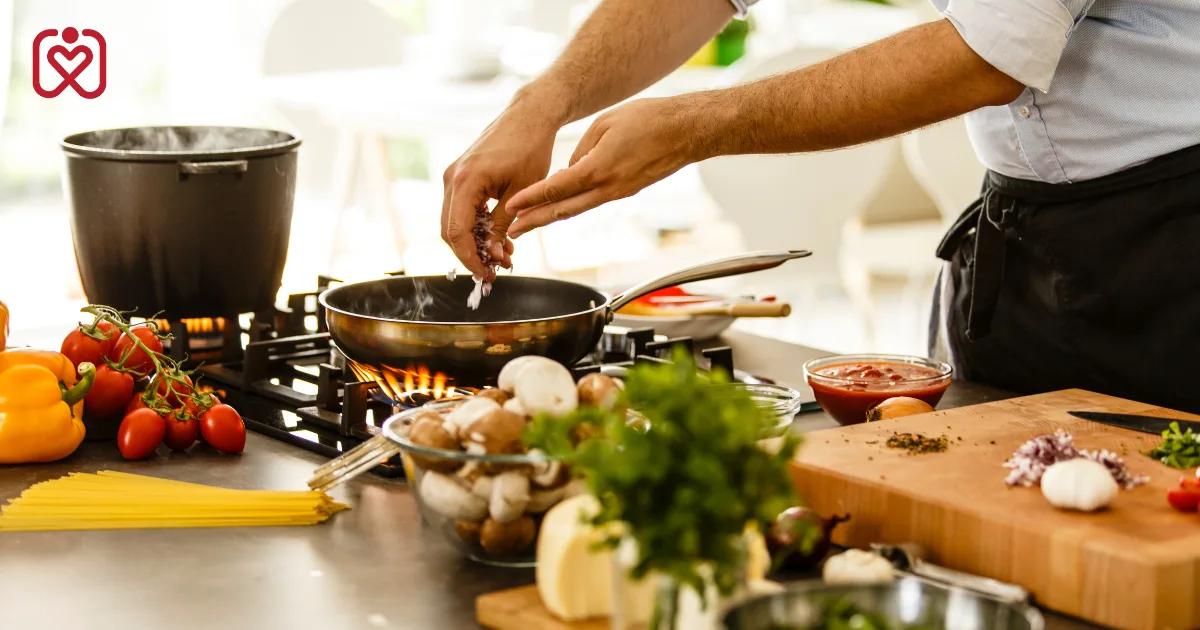


What you cook matters for your heart but how you cook it may matter just as much. Many people focus on choosing healthy ingredients yet overlook the impact of everyday cooking practices. The way food is prepared can change its fat content, calorie load, and even how it affects cholesterol and blood vessels.
This blog takes a simple, practical look at common cooking styles like frying, steaming, and grilling. It explains how each approach influences heart health, clears common doubts, and helps you make informed choices without giving up taste or enjoyment.
Why Cooking Methods Matter for Heart Health
Cooking changes the structure of food. Some methods protect nutrients, while others add hidden risks.
- Certain techniques increase unhealthy fats and calories
- High heat can create harmful compounds
- Gentle methods help preserve vitamins and minerals
- Regular exposure to unhealthy cooking styles may raise heart disease risk over time
Small changes in daily cooking habits can lead to meaningful long-term benefits.
Frying: Why It’s Tasty but Tough on the Heart
Frying is one of the most popular ways to cook food, but it also carries the highest heart-related concerns.
- Foods absorb large amounts of oil during frying
- This increases calorie and fat intake without adding nutrition
- Reused or overheated oil can produce harmful substances
- Frequent fried foods are linked to higher cholesterol levels
Deep-fried snacks, fast food, and packaged fried items can silently increase strain on the heart when eaten often.
Does Pan Frying Make a Difference?
Not all frying looks the same, but risks still remain.
- Shallow frying uses less oil but still raises fat content
- Non-stick pans reduce oil use but do not remove heat-related damage
- High temperatures may affect the quality of cooking oils
Occasional pan frying may be manageable, but daily reliance is not ideal for heart health.
Learn More About Best Cooking Oils for a Healthy Heart
Steaming: A Gentle and Heart-Safe Choice
Steaming is often recommended by doctors for good reason.
- It requires little to no oil
- Nutrients remain largely intact
- Food stays light and easy to digest
- Blood cholesterol levels are not negatively affected
Vegetables, fish, and even grains benefit greatly from this approach.
Why Steamed Foods Support Long-Term Heart Health
Steaming helps maintain the natural goodness of food.
- No added fats or excess calories
- Supports better weight management
- Reduces inflammation linked to heart disease
- Helps people with diabetes and high blood pressure
Though it may seem plain at first, simple herbs and spices can improve taste without harming the heart.
Grilling: Healthy or Risky?
Grilling sits somewhere in the middle, it can be beneficial when done carefully.
- Allows excess fat to drip away from food
- Requires minimal oil
- Enhances flavor without heavy sauces
- However, very high heat may create harmful compounds
Moderation and technique matter greatly with grilling.
How to Make Grilling More Heart-Friendly
Simple adjustments can reduce risks while keeping meals enjoyable.
- Avoid charring or burning food
- Marinate foods to reduce harmful compound formation
- Use lean meats, fish, or vegetables
- Keep flames moderate rather than extreme
When done properly, grilling can fit into a heart-conscious lifestyle.
Boiling and Pressure Cooking: Often Overlooked Options
Traditional methods like boiling and pressure cooking still have value.
- Require no added oil
- Suitable for pulses, vegetables, and soups
- Support digestion and portion control
- Pressure cooking preserves nutrients when done correctly
These methods are especially helpful for everyday home meals.
Learn More About Heart Foods: Cooking Tips for Indian Kitchens
Roasting and Baking: Are They Better Than Frying?
Oven-based cooking methods offer a safer alternative.
- Use less oil than frying
- Allow even cooking at controlled temperatures
- Work well for vegetables, fish, and lean meats
- Overuse of butter or cheese should still be avoided
When paired with healthy ingredients, baking can be heart-supportive.
How Cooking Oils Influence Heart Health
Even the best cooking style can become harmful with poor oil choices.
- Oils high in saturated fat should be limited
- Reheating oil multiple times increases health risks
- Using small quantities matters more than type alone
- Storage and freshness affect oil quality
The American Heart Association recommends choosing oils wisely and using them sparingly.
How Cooking Habits Affect Cholesterol and Blood Pressure
Cooking styles influence more than just calories.
- High-fat cooking raises bad cholesterol
- Excess salt in certain methods affects blood pressure
- Oil-heavy meals may worsen inflammation
- Balanced cooking supports healthier blood vessels
Over time, daily choices compound into major health outcomes.
Making Heart-Friendly Cooking a Daily Habit
Small steps make cooking changes sustainable.
- Mix different cooking styles through the week
- Reserve frying for special occasions
- Focus on vegetables, whole grains, and lean proteins
- Pay attention to portion size as well as preparation
Consistency matters more than perfection.
Who Should Be Extra Careful With Cooking Choices
Some groups benefit even more from mindful cooking.
- People with high cholesterol
- Individuals with diabetes or high blood pressure
- Those with a family history of heart disease
- Anyone trying to manage weight
For these individuals, cooking habits are a powerful preventive tool.
Common Patient Questions About Cooking and the Heart
1. Which cooking method is best for heart health?
Steaming, boiling, and light grilling are best because they use little or no oil and preserve nutrients.
2. Is it okay to eat fried food occasionally?
Yes, fried food is fine occasionally, but eating it often increases heart disease risk.
3. Is grilling healthier than frying?
Yes, grilling is healthier than frying when food is not burnt and excess fat is allowed to drip away.
4. Can cooking methods affect cholesterol levels?
Yes, oil-heavy cooking can raise bad cholesterol, while low-oil methods help control it.
5. Will healthy cooking make food tasteless?
No, herbs, spices, and natural seasonings add flavor without harming heart health.
6. Are non-stick pans safe for the heart?
Yes, they help reduce oil use if cooked on low to moderate heat.
7. How often should I choose heart-friendly cooking methods?
Most daily meals should use healthier methods, with frying kept for rare occasions.
Conclusion
Healthy eating is not only about what’s on your plate but how it gets there. Choosing a heart-friendly cooking methods can reduce unnecessary fats, protect nutrients, and support long-term cardiovascular health. Frying may be tempting, but steaming, grilling with care, boiling, and baking offer safer alternatives. By making small, thoughtful changes in the kitchen, you can enjoy flavorful meals while protecting your heart one dish at a time.
Authoritative References
- American Heart Association - Cooking Methods
- Johns Hopkins Medicine - Cooking Methods