


Your heart doesn’t stop working, not even for a second. Every beat keeps you alive, pumping oxygen and nutrients throughout your body. But what happens when that rhythm isn’t steady? When your heart beats too fast, too slow, or irregularly, it could be a sign of arrhythmia, a condition that requires timely diagnosis and treatment.
Sometimes, these irregular heartbeats don’t appear during a routine ECG at the clinic. That’s where Holter Monitors come in small, wearable devices that record your heart’s electrical activity continuously, usually over 24 to 48 hours.
In this blog, we’ll explore what Holter Monitors are, how they work, when doctors recommend them, and how they help in detecting heart rhythm problems early and accurately.
What Are Holter Monitors?
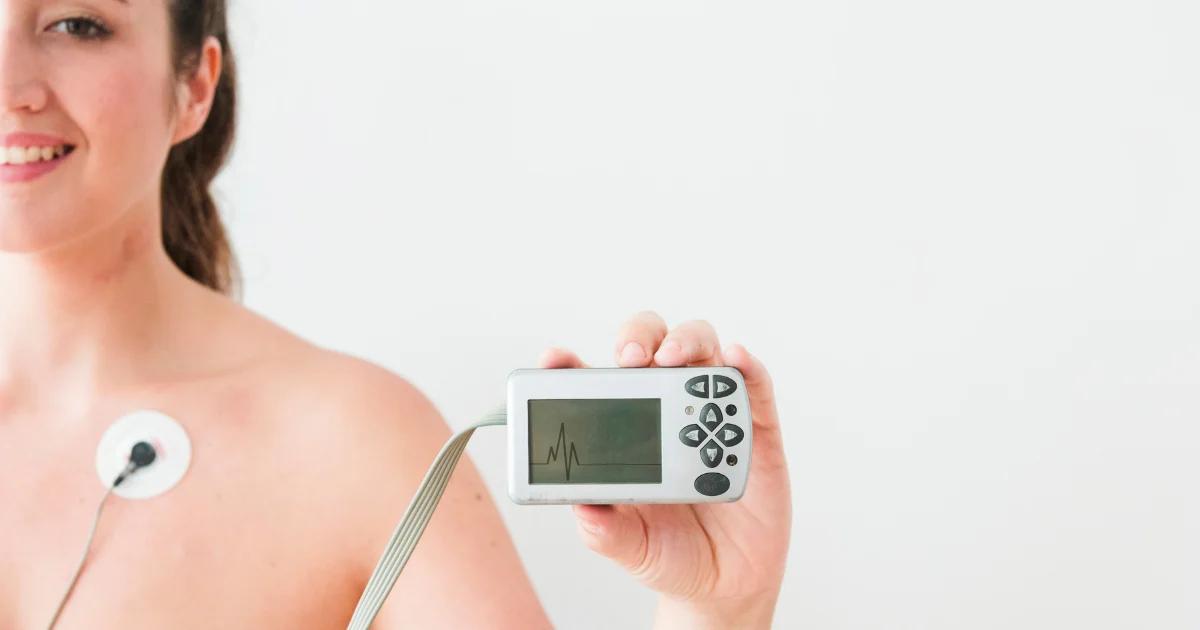
A Holter Monitor is a portable device that records your heart’s electrical signals continuously for an extended period. Think of it as a 24-hour ECG that travels with you while you go about your daily activities.
Unlike a traditional ECG that records only a few seconds of your heart’s rhythm, a Holter monitor provides a complete picture of your heart’s performance throughout the day and night.
Key Features of Holter Monitors:
- Small and lightweight, easy to wear under clothing.
- Continuous recording of heart activity for 24-48 hours (or longer if required).
- Records data while you sleep, walk, or work, giving a realistic view of heart function.
- Helps detect intermittent arrhythmias that a short ECG might miss.
Learn More About How 3D Echocardiography is Transforming Cardiac Imaging.
How Do Holter Monitors Work?
The working principle of a Holter Monitor is simple but powerful.
Step-by-Step Process:
1. Attachment:
- Small adhesive electrodes (stickers) are placed on your chest. These are connected by wires to the monitor.
2. Recording:
- The monitor continuously records your heart’s electrical activity.
3. Activity Log:
- You’ll be asked to note down any symptoms you feel during the monitoring period, like palpitations, dizziness, or chest discomfort.
4. Data Analysis:
- After the recording period, your doctor will review the data to detect any irregular patterns or hidden arrhythmias.
Because it records for a longer time, a Holter Monitor can capture abnormalities that might come and go, something a short ECG can easily miss.
Learn More About How the Heart Responds to Physical Stress.
When Is a Holter Monitor Recommended?
Your doctor may recommend wearing a Holter Monitor if you have symptoms that suggest an irregular heart rhythm but standard tests haven’t shown clear results.
Common Symptoms Include:
- Frequent palpitations or fluttering in the chest
- Unexplained fainting or dizziness
- Chest pain not linked to exertion
- Shortness of breath or fatigue
- Irregular heartbeats felt during rest or sleep
Holter Monitors are especially useful for detecting intermittent arrhythmias, which appear only occasionally and may go unnoticed during a short ECG.
Doctors also use these devices to:
- Evaluate how well heart medications are working.
- Monitor the effectiveness of pacemakers or cardiac procedures.
- Check heart rhythm after a heart attack or cardiac surgery.
Types of Holter Monitors
Depending on your needs and symptoms, your doctor may choose from several types of monitoring devices.
1. Standard 24-48 Hour Holter Monitor
- The most common type, used for short-term monitoring.
- Ideal for patients with frequent symptoms.
2. Extended Event Monitors
- Used for longer periods, up to a few weeks.
- Helpful if your symptoms occur less frequently.
3. Wireless or Patch Monitors
- Modern versions with no wires, resembling a small patch on the chest.
- Comfortable and easy to use during daily life.
Learn More About Managing Common Side Effects of Heart Medications.
What Do Holter Monitors Detect?
Holter Monitors are powerful tools for detecting a wide range of heart rhythm disorders (arrhythmias).
Common Conditions Detected Include:
- Atrial Fibrillation (AFib): Irregular and often rapid heartbeat.
- Bradycardia: Abnormally slow heart rate.
- Tachycardia: Abnormally fast heart rate.
- Premature Beats: Early heartbeats that disrupt normal rhythm.
- Heart Block: Delay or blockage in the heart’s electrical signals.
Sometimes, the device also helps identify silent arrhythmias, irregularities that cause no noticeable symptoms but increase the risk of complications like stroke or heart failure.
Learn More About The Role of Blood Thinners in Managing Heart Conditions.
What to Expect During a Holter Monitoring Test
If your doctor recommends a Holter Monitor, there’s nothing to worry about, the process is safe, non-invasive, and painless.
Before the Test:
- Your chest will be cleaned and a few small electrodes attached.
- The device is fitted comfortably so you can move around easily.
During the Test:
- You’ll continue your normal daily routine.
- You’ll be asked to keep a symptom diary, noting times when you feel lightheaded, experience palpitations, or shortness of breath.
After the Test:
- Once you return the device, your doctor will analyze the data.
- The report will show how your heart performed during different activities and times of day.
Benefits of Using Holter Monitors
Holter Monitors have become an essential diagnostic tool in cardiology because of their accuracy and convenience.
Key Benefits:
- Continuous Monitoring: Captures heart activity for extended periods.
- Non-Invasive: No needles, pain, or hospital stay required.
- Accurate Diagnosis: Detects arrhythmias that short ECGs might miss.
- Safe for All Ages: From children to older adults.
- Helps Treatment Decisions: Provides clear data to guide medications or pacemaker use.
Holter monitoring can literally save lives by identifying hidden heart rhythm problems early, before they lead to serious complications.
Explore More About The Role of the Pericardium in Heart Protection.
Limitations of Holter Monitoring
While extremely useful, Holter Monitors are not without limitations:
- They can’t detect problems that occur less frequently than the monitoring period.
- Patients need to follow instructions carefully for accurate results.
- Some may find wearing the device slightly uncomfortable while sleeping.
For irregular symptoms that occur rarely, your doctor might recommend long-term cardiac event recorders instead.
How Holter Monitors Improve Heart Health Management
Beyond diagnosis, Holter Monitors play a big role in preventive cardiology, helping doctors adjust treatment plans and track progress.
They Help By:
- Measuring how heart rate responds to physical activity and rest.
- Assessing the impact of heart medications.
- Detecting dangerous rhythm disturbances early.
- Helping prevent complications like stroke or heart failure.
By using real-time data, cardiologists can personalize treatment to each patient’s condition, a key principle of modern heart care.
Preparing for Your Holter Monitor Test
If your doctor has advised you to wear a Holter Monitor, a few simple steps can make the experience smoother:
- Wear loose clothing to make it easier to attach electrodes.
- Avoid getting the device wet, don’t shower or swim during the test.
- Continue your regular activities so your heart data reflects your normal lifestyle.
- Note symptoms accurately, this helps doctors match data with what you felt.
When to Contact Your Doctor
While wearing the monitor, you should contact your doctor immediately if you experience:
- Chest pain that doesn’t go away
- Severe dizziness or fainting
- Shortness of breath or swelling
These could indicate serious arrhythmias that need urgent evaluation.
Learn More About How Autoimmune Diseases Can Affect Heart Health.
Conclusion
Holter Monitors have changed the way doctors detect and manage heart rhythm problems. By continuously recording your heart’s activity, they offer a window into how your heart truly behaves, not just during a few seconds in a clinic, but throughout your daily life.
For patients experiencing irregular heartbeats or unexplained symptoms, this simple, portable device could be the key to early diagnosis and effective treatment. With timely testing and follow-up, Holter Monitors help safeguard your heart and improve long-term cardiac health.
If you suspect an irregular heartbeat or have symptoms of arrhythmia, don’t ignore them. Talk to your cardiologist about whether a Holter Monitor test is right for you.
Authoritative Reference
- Mayo Clinic - Holter Monitors
- Wikipedia - Holter Monitors
- American Heart Association - Holter Monitors
- Cardio Smart - Types of Holter Monitors