
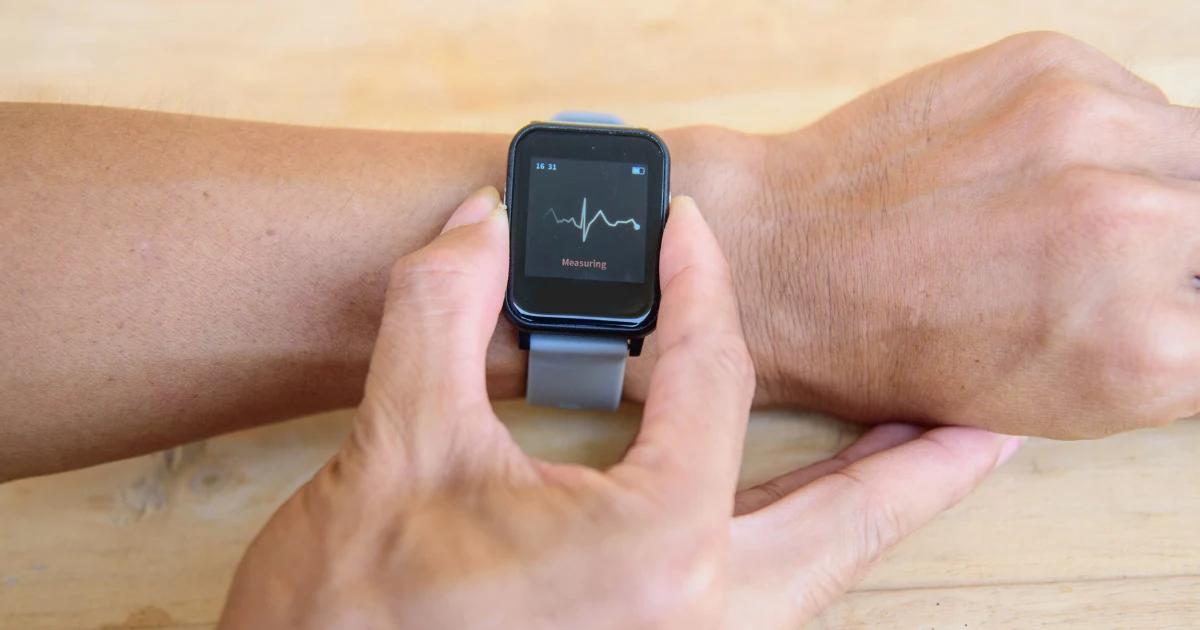


Smartwatches have changed how we track our health. From counting steps to monitoring sleep, these devices now offer heart-related features that were once available only in hospitals. Many smartwatches can show heart rate trends and even generate an ECG-like reading. This has led to a very common question among patients: Can a smartwatch replace a Medical ECG?
The short answer is no, but smartwatches can still play a helpful role. To understand why, we need to look at how medical ECGs work, what smartwatches actually measure, and where each one fits into heart care. This blog explains everything in simple language so you can make an informed decision without confusion or fear.
What Is a Medical ECG and Why Is It Important?
A Medical ECG (electrocardiogram) is a standard test used by doctors to record the electrical activity of your heart. It helps identify how well your heart is beating and whether the rhythm is normal.
What a Medical ECG Can Detect
- Irregular heartbeats
- Signs of a past or ongoing heart attack
- Electrical conduction problems
- Effects of high blood pressure on the heart
- Certain valve and heart muscle conditions
This test is performed in a clinic or hospital using multiple electrodes placed on the chest, arms, and legs. The result gives doctors a detailed view of your heart’s activity from different angles.
Because of its accuracy and depth, this test remains a gold standard in heart diagnosis.
What Does a Smartwatch Actually Measure?
Most smartwatches use light-based sensors to detect blood flow changes at the wrist. Some advanced models also allow you to record a single-lead ECG by touching the watch crown with your finger.
What Smartwatches Are Good At
- Tracking heart rate trends over time
- Alerting users to unusually high or low heart rates
- Detecting irregular rhythms like atrial fibrillation (in some cases)
- Encouraging people to pay attention to their heart health
What Smartwatches Cannot Do
- They do not provide a full multi-lead ECG
- They cannot diagnose heart attacks
- They cannot assess heart structure or valve function
- They may miss brief or complex rhythm problems
This difference is very important to understand before relying fully on wearable devices.
Key Differences: Smartwatch ECG vs Medical ECG
Understanding the limitations and strengths of both tools helps avoid panic or false reassurance.
1. Accuracy and Detail
- A smartwatch provides a single-lead reading
- A Medical ECG records multiple leads simultaneously
- More leads mean better accuracy and clearer diagnosis
2. Purpose
- Smartwatches are designed for screening and awareness
- Medical ECGs are designed for diagnosis and treatment planning
3. Reliability
- Smartwatch readings can be affected by movement, sweat, or poor contact
- Medical ECGs are taken under controlled conditions
4. Interpretation
- Smartwatch apps provide automated results
- Medical ECGs are interpreted by trained doctors
Because of these differences, experts strongly advise against replacing hospital tests with wearables.
Can Smartwatches Help Detect Heart Problems Early?
Yes but with limitations.
Smartwatches can sometimes alert users to irregular heart rhythms. Many people seek medical help after receiving a smartwatch notification, which leads to early diagnosis of conditions like atrial fibrillation.
When Smartwatches Can Be Helpful
- People with occasional palpitations
- Individuals with a family history of heart rhythm problems
- Older adults monitoring general heart trends
- Fitness enthusiasts tracking recovery and heart rate patterns
In this way, wearables act as an early warning system, not a diagnostic tool.
Why Medical ECGs Are Still Essential
Even with advancing technology, doctors rely on Medical ECG tests for one simple reason is clinical accuracy.
Situations Where a Medical ECG Is Necessary
- Chest pain or pressure
- Sudden breathlessness
- Fainting or blackouts
- Persistent palpitations
- Abnormal smartwatch readings
- Pre-surgery heart evaluation
A smartwatch alert should always be followed up with a medical ECG to confirm or rule out serious conditions.
Know More About Smartwatches and Heart Monitoring: How Reliable Are They
How Doctors View Smartwatches Today
Most cardiologists see smartwatches as supportive tools, not replacements.
Expert Perspective
- Helpful for awareness and early alerts
- Useful for patient engagement
- Encourages healthier habits
- Cannot replace clinical tests
Doctors often use smartwatch data as additional information, especially when symptoms are intermittent and hard to capture during clinic visits.
Risks of Over-Reliance on Smartwatches
While technology is helpful, relying solely on it can sometimes cause harm.
Possible Downsides
- False alarms leading to anxiety
- False reassurance delaying medical care
- Misinterpretation of data without medical guidance
- Over-testing due to fear
Balanced use is the key awareness without obsession.
Who Should Be Extra Careful With Smartwatch Readings?
Some individuals need more caution when interpreting smartwatch data.
Higher-Risk Groups
- People with known heart disease
- Patients with diabetes or high blood pressure
- Older adults
- Individuals with previous stroke or clot history
How to Use a Smartwatch the Right Way
Smartwatches are best used as part of a larger health plan.
Best Practices
- Use them to track trends, not make diagnoses
- Share unusual readings with your doctor
- Do not ignore symptoms even if readings look normal
- Continue regular health check-ups
- Combine wearable data with medical advice
Smartwatch vs Medical ECG: A Simple Comparison
- Smartwatch: Awareness, screening, lifestyle motivation
- Medical ECG: Diagnosis, treatment decisions, emergency evaluation
Both have value but they serve very different purposes.
Frequently Asked Questions (FAQs)
1. Can a smartwatch replace a hospital ECG test?
No. It can only assist in early detection or monitoring.
2. How accurate are smartwatch ECG readings?
They are reasonably accurate for certain rhythm issues but not for complete heart assessment.
3. Should doctors trust smartwatch data?
Doctors use it as supportive information, not as final evidence.
4. Can smartwatch ECGs help during emergencies?
No. Emergencies require immediate medical evaluation.
5. Is it safe to ignore symptoms if my watch shows normal results?
Never. Symptoms should always be evaluated by a healthcare professional.
Conclusion
Smartwatches have added a valuable layer of awareness to personal health monitoring. They can alert users to unusual heart patterns and encourage timely medical visits. However, they cannot and should not replace a Medical ECG. Medical ECGs remain essential for accurate diagnosis, treatment planning, and emergency care. The smartest approach is to use wearable technology as a companion not a substitute to professional medical evaluation.
If you experience symptoms like chest discomfort, fainting, or persistent palpitations, seek medical advice promptly. Technology is powerful, but expert care is irreplaceable.
Authoritative References
- PubMed Central - Smartwatch ECG
- Jefferson Health - Smart Heart Device
- Science Direct - Smartwatch ECG