
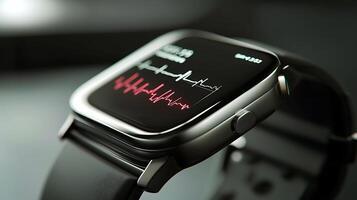


In today’s fast-paced world, technology is transforming the way we manage health. One of the most popular trends is using smartwatches for heart monitoring. Whether it’s an alert for a high heart rate or tracking your daily steps, wearable tech has become a convenient tool for health-conscious individuals. But how reliable is it for monitoring your heart?
This blog explores the accuracy, benefits, and limitations of smartwatches when it comes to heart monitoring, and whether they can really replace clinical tools.
What Does a Smartwatch Monitor in the Heart?
Modern smartwatches can monitor various heart-related metrics.
Common Features:
- Heart rate tracking (resting, active, and during sleep)
- Heart rhythm monitoring (irregular rhythm notifications)
- Blood oxygen (SpO2) levels
- ECG capability in selected models
- Stress level estimations based on heart rate variability
Smartwatches can serve as an early alert system but they are not a diagnostic tool. Learn more about how clinical tools differ in What Is a Cardiac Stress Test? Patient Guide & FAQs.
How Do Smartwatches Monitor Your Heart?
Most devices use photoplethysmography (PPG), a technology that shines light through the skin to detect blood flow changes. More advanced watches may include electrodes for ECG-like measurements.
Accuracy Depends On:
- Skin tone and tattoo interference
- Sensor placement and fit
- Motion artifacts during intense activity
- Battery level and device calibration
Are Smartwatches Reliable for Heart Monitoring?
Research suggests that smartwatches offer reasonably accurate heart rate tracking especially at rest or during light activity.
What Studies Say:
- Good for heart rate trends, but less reliable for moment-to-moment accuracy
- ECG apps on devices like Apple Watch are FDA-approved for atrial fibrillation detection, but not for all arrhythmias
- Often not validated for individuals with serious cardiac conditions
For a more structured diagnosis, refer to Angiography: What Patients Should Know.
When Can Smartwatches Be Useful?
While not a replacement for medical-grade equipment, smartwatches provide useful insights in many everyday situations.
Helpful Scenarios:
- Detecting sudden spikes or drops in heart rate
- Tracking progress in fitness and rehabilitation
- Alerting you to irregular rhythms that should be discussed with a cardiologist
- Monitoring recovery after cardiac events like stenting or bypass
Read Why Every Indian Over 30 Should Get a Heart Health Check-Up to understand proactive care steps.
Limitations of Smartwatch Heart Monitoring
Despite advancements, there are critical limitations.
Limitations:
Not reliable during intense motion (e.g., running or weightlifting)
May give false positives or false negatives
Limited battery can affect long-term tracking
Cannot detect heart attacks or silent ischemia
If you experience symptoms like chest pain or dizziness, consult a healthcare provider immediately. For more, see Heart Palpitations: When to Worry and What They Mean.
Comparing Smartwatches to Clinical Devices
Clinical-grade monitoring tools are still the gold standard.
Differences:
- Clinical ECGs offer 12-lead readings for precise cardiac assessment
- Holter monitors track rhythm continuously for 24–72 hours
- Stress tests evaluate heart function under exertion
Smartwatches are best used as supplemental tools, not replacements.
Tips to Use Smartwatches Effectively
If you're relying on wearable tech, follow best practices to enhance reliability.
Tips:
- Wear the watch snugly above your wrist bone
- Keep the sensors clean and dry
- Calibrate using resting heart rate measurements
- Share data with your healthcare provider during checkups
Who Should Be Cautious?
Not all users benefit equally from wearable monitoring.
High-Risk Individuals:
- Those with diagnosed heart rhythm disorders
- Patients with implanted devices like pacemakers
Individuals recovering from cardiac arrest
For people at high risk, structured monitoring via medical supervision is essential. Learn about devices in Pacemakers: What They Do and Who Needs One.
FAQs on Smartwatches and Heart Monitoring
1. Can a smartwatch detect a heart attack?
No. Most wearables can’t detect blocked arteries or chest pain-related events.
2. How accurate is the ECG in smartwatches?
They can detect certain irregular rhythms, but are not a substitute for clinical ECGs.
3. Should I trust heart rate readings from my smartwatch?
Yes for trends and daily tracking. Not for diagnosis.
4. Which smartwatch is best for heart health?
Apple Watch, Fitbit, and Garmin offer models with heart-focused features, but consult your doctor for personalized advice.
Final Thoughts: Use Smartwatches as a First Alert, Not the Final Word
Smartwatches offer convenience, motivation, and early warning signs for potential heart-related concerns. However, they are not designed to replace medical evaluation. Their value lies in promoting self-awareness and helping you engage more proactively in your heart health journey.
Always consult your cardiologist if your smartwatch shows irregular data or if you experience symptoms. A combined approach technology plus clinical care is the most effective path to better heart health.