


High cholesterol has become a growing concern worldwide, silently increasing the risk of heart disease and stroke. Many people rely on medicines to manage it, but research has shown that some natural solutions may also help. One of the most surprising discussions today is about whether a small pinch of a daily spice readily available in Indian kitchens can play a role in keeping cholesterol levels in check. But is there real science behind this claim, or is it just a health myth? Let’s break it down.
What Is Cholesterol and Why Does It Matter?
Cholesterol is a fat-like substance that your body needs in small amounts. However, when levels get too high, it can build up in the arteries and restrict blood flow. This is known as atherosclerosis, which is a leading cause of heart attacks.
- LDL (Low-Density Lipoprotein) – Often called “bad” cholesterol because it contributes to plaque buildup in the arteries.
- HDL (High-Density Lipoprotein) – Known as “good” cholesterol, as it helps remove excess cholesterol from the blood.
- Triglycerides – Another type of fat that can raise the risk of heart disease when elevated.
Maintaining a healthy balance of these is essential for heart health.
The Daily Spice Under the Spotlight
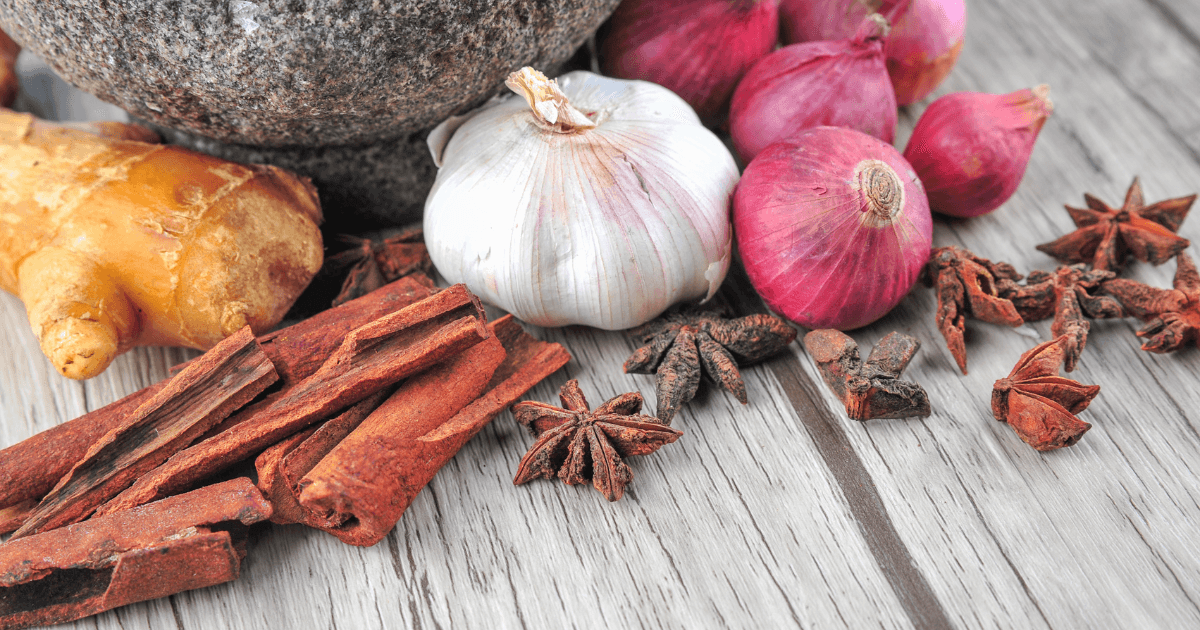
Among the many ingredients in Indian kitchens, turmeric, garlic, fenugreek, and cinnamon are often highlighted in scientific studies for their impact on heart health. These are not exotic supplements but everyday spices that may have hidden powers when it comes to regulating cholesterol.
- Turmeric (Haldi) – Curcumin, its active compound, is known for reducing inflammation and improving lipid profiles.
- Garlic (Lehsun) – Some studies suggest it can slightly reduce total cholesterol and LDL when taken regularly.
- Fenugreek (Methi Seeds) – Contains soluble fiber, which helps reduce absorption of cholesterol in the intestines.
- Cinnamon (Dalchini) – May lower triglycerides and LDL while increasing HDL.
How Do These Spices Work in Controlling Cholesterol?
The way spices act in the body is fascinating. They don’t replace medicines but may support overall cardiovascular health in subtle ways.
- Reduce Inflammation – Many heart problems start with inflammation in the arteries. Spices like turmeric and garlic have strong anti-inflammatory properties.
- Improve Lipid Profiles – Regular use may help lower “bad” LDL and triglycerides while supporting “good” HDL.
- Enhance Digestion – Soluble fibers in fenugreek bind with cholesterol in the digestive tract and reduce absorption.
- Regulate Blood Sugar – Spices such as cinnamon can stabilize blood sugar levels, indirectly lowering the risk of heart disease.
Can a Pinch Really Make a Difference?
A common question patients ask is: “Will just a pinch of these spices daily keep my cholesterol under control?”
The honest answer is: Spices alone are not enough. They should be part of a balanced lifestyle that includes:
- Eating a diet rich in vegetables, fruits, and whole grains.
- Avoiding trans fats, processed foods, and excessive sugar.
- Staying physically active for at least 30 minutes daily.
- Managing stress levels and getting good quality sleep.
- Following prescribed cholesterol-lowering medicines if needed.
Spices can complement these efforts but should not be viewed as a magic cure.
What Does Science Say?
Several studies have been conducted on how these daily spices affect cholesterol.
- Research on garlic supplements has shown small but significant reductions in total cholesterol over time.
- Turmeric and curcumin studies have indicated improved HDL and reduced LDL in people with metabolic syndrome.
- Fenugreek seeds have been tested in both diabetic and non-diabetic patients, showing positive effects on triglycerides and LDL.
- Cinnamon trials suggest better blood sugar and lipid control, particularly in people with type 2 diabetes.
These results are encouraging but not conclusive enough to replace medical treatments.
How Much Should You Consume?
Experts suggest that moderation is key. Overuse of any spice may lead to digestive issues or interact with medications. A safe amount generally recommended is:
- Garlic – 1-2 raw cloves daily or equivalent in cooked food.
- Turmeric – ½ teaspoon of powder daily in meals.
- Fenugreek – 1 teaspoon of seeds soaked overnight.
- Cinnamon – ½ teaspoon daily sprinkled on food or drinks.
Always consult your doctor before making dietary changes, especially if you are on medicines like blood thinners or diabetes medication.
Common Concerns from Patients
Q. Can spices replace cholesterol medicines?
No. Medicines like statins are clinically proven to lower cholesterol significantly. Spices may support but cannot substitute them.
Q. Are there any risks in consuming these spices daily?
Most people tolerate them well, but excessive amounts may cause stomach irritation, bleeding risk (with garlic), or liver strain (with too much cinnamon).
Q. Which spice is best for heart health?
There is no single “best.” A combination in moderation is likely more effective.
Q. Can children or elderly people consume them?
Yes, in small amounts as part of regular meals, but avoid supplements without medical guidance.
Lifestyle and Daily Spice: A Balanced Approach
Adding a pinch of these spices daily can be a supportive step toward lowering cholesterol, but it works best when paired with healthy lifestyle choices:
- Eat a diet full of fresh, fiber-rich foods.
- Exercise regularly.
- Limit alcohol and smoking.
- Manage stress through yoga, meditation, or breathing exercises.
Heart health is not about a single ingredient. It’s about consistent small steps taken every day.
Final Thought
Managing cholesterol doesn’t always have to mean big, complicated changes. Sometimes, even a pinch of the right daily spice can support better heart health when combined with a balanced diet, regular exercise, and medical guidance. While spices like turmeric, cinnamon, garlic, and fenugreek have shown promising effects in supporting healthy cholesterol levels, they should be viewed as complementary not a replacement for professional care. If you are at risk of heart disease or already have high cholesterol, it’s best to discuss with your doctor how these natural options can fit into your lifestyle. Small, mindful choices today can help protect your heart for years to come.