
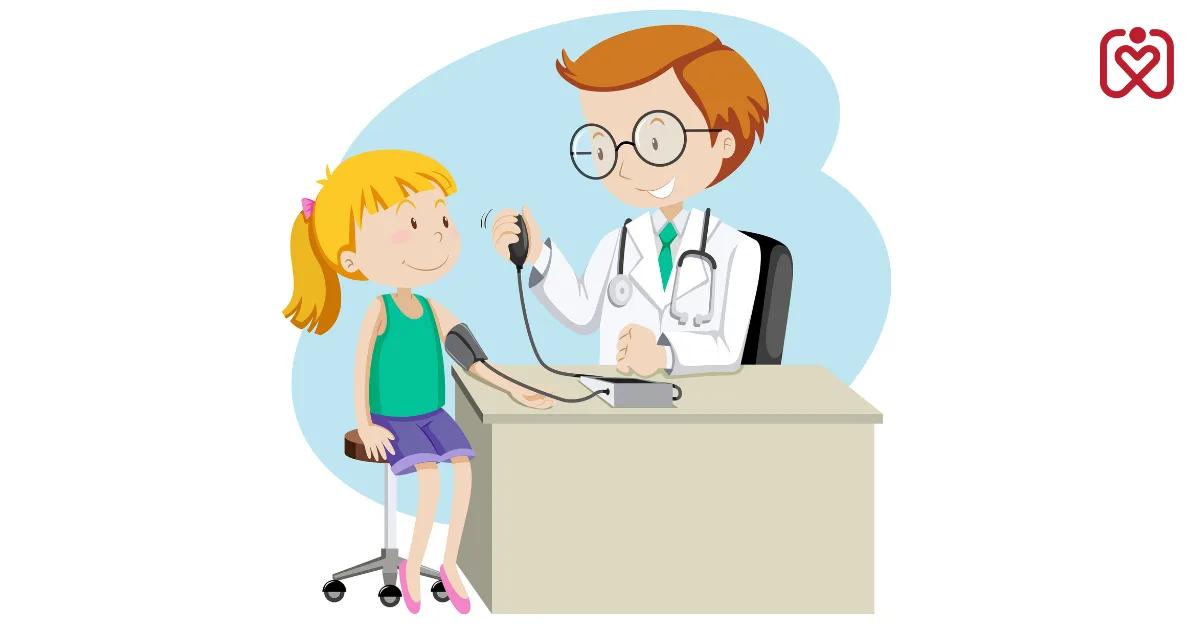


When parents think about blood pressure problems, they usually imagine adults people under stress, with unhealthy diets, or advancing age. High blood pressure in children often goes unnoticed because it rarely causes obvious symptoms in the early stages. Yet, research shows that elevated blood pressure is becoming more common among kids and teenagers, especially with changing lifestyles.
The real concern is that high blood pressure in childhood can silently damage the heart and blood vessels, increasing the risk of heart disease later in life. Many parents miss early warning signs simply because they don’t know what to look for.
This blog explains, in simple and practical language, the subtle signs of high blood pressure in kids, why it often goes undetected, and what parents can do to protect their child’s heart health.
Why High Blood Pressure in Kids Is Often Overlooked
Unlike adults, children rarely complain of classic symptoms. In many cases:
- Blood pressure rises slowly and silently
- Symptoms, if present, are vague and easy to dismiss
- Routine blood pressure checks are not always done during pediatric visits
As a result, many children are diagnosed only after the condition has been present for years.
What Causes High Blood Pressure in Children?
Several factors can increase a child’s risk, including:
- Family history of blood pressure or heart disease
- Excess weight or obesity
- Lack of physical activity
- High intake of salty and processed foods
- Long screen time and poor sleep habits
- Certain kidney or hormonal conditions
Understanding these causes helps parents recognize why early monitoring is important.
Early Signs of High Blood Pressure in Kids Parents Often Miss
Many warning signs are subtle and easily attributed to other causes like school stress or tiredness.
1. Frequent Headaches
- Recurrent headaches without a clear reason
- Often ignored as screen-related or stress-related
- May occur more in the morning or after school
Persistent headaches can sometimes be linked to rising blood pressure levels.
2. Fatigue and Low Energy
- Child seems unusually tired despite adequate sleep
- Reduced interest in sports or play
- Gets exhausted faster than peers
This can happen because the heart has to work harder to pump blood.
3. Difficulty Concentrating
- Trouble focusing on homework
- Decline in school performance
- Complaints of feeling “foggy”
Poor blood flow and subtle changes in circulation may affect concentration.
4. Nosebleeds Without Injury
- Frequent or unexplained nosebleeds
- Occur without trauma or dry weather
While nosebleeds have many causes, repeated episodes may sometimes signal elevated blood pressure.
5. Shortness of Breath During Mild Activity
- Breathlessness during simple play
- Child avoids running or physical games
- Complaints of chest tightness
These signs should never be ignored and warrant medical attention.
6. Visual Problems
- Complaints of blurry vision
- Squinting or rubbing eyes often
- Difficulty reading from a distance
High blood pressure can affect small blood vessels in the eyes, even in children.
7. Poor Sleep or Restlessness
- Difficulty falling asleep
- Snoring or disturbed sleep
- Daytime sleepiness
Poor sleep and blood pressure problems can influence each other, creating a cycle.
Why Symptoms Are Often Dismissed
Parents often miss these signs because:
- Children appear otherwise healthy
- Symptoms come and go
- Complaints overlap with common childhood issues
Unfortunately, this delay can allow silent damage to continue.
How High Blood Pressure Affects a Child’s Heart
Even in childhood, elevated blood pressure can begin to affect the cardiovascular system:
- The heart may thicken due to extra workload
- Blood vessels can become less flexible
- Early changes may increase future heart disease risk
These changes often develop quietly, reinforcing the need for early detection.
When Should Parents Check Their Child’s Blood Pressure?
Blood pressure checks should not be limited to adults. Parents should consider screening if:
- There is a family history of heart disease or hypertension
- The child is overweight
- The child has diabetes or kidney issues
- Symptoms like headaches or fatigue persist
Regular check-ups can catch problems early, before complications arise.
How Is High Blood Pressure Diagnosed in Kids?
Diagnosis is based on:
- Multiple blood pressure readings over time
- Comparison with age, height, and gender norms
- Additional tests if needed to find underlying causes
A single high reading does not confirm the condition, but repeated elevated readings require attention.
Lifestyle Habits That Increase Risk in Children
Certain modern habits contribute significantly:
Unhealthy Diet
- High salt intake from packaged foods
- Sugary drinks and fast food
- Low intake of fruits and vegetables
Physical Inactivity
- Excessive screen time
- Limited outdoor play
- Lack of regular exercise
Chronic Stress
- Academic pressure
- Poor sleep routines
- Emotional stress
Addressing these habits early can significantly reduce risk.
What Parents Can Do to Protect Their Child’s Heart
1. Encourage a Heart-Healthy Diet
- Fresh fruits and vegetables daily
- Home-cooked meals with less salt
- Limit packaged and processed foods
Small dietary changes can make a big difference over time.
2. Promote Regular Physical Activity
- At least one hour of active play daily
- Encourage sports or outdoor games
- Reduce screen time gradually
Activity strengthens the heart and improves blood pressure naturally.
3. Improve Sleep Habits
- Fixed bedtime routine
- Limit screen use before bed
- Ensure age-appropriate sleep duration
Good sleep supports both heart and brain health.
4. Schedule Regular Health Check-Ups
- Routine blood pressure measurement
- Early evaluation if symptoms persist
- Follow medical advice consistently
Parents can also explore related heart health blogs on lifestyle-related risks in children to build awareness and prevention strategies.
Common Questions Parents Ask
1. Can children really have blood pressure problems?
Yes. It is increasingly seen, especially with lifestyle changes and genetic factors.
2. Will my child need lifelong medication?
Not always. Many children improve with lifestyle changes if detected early.
3. Is this condition reversible?
Early-stage blood pressure issues can often be managed and sometimes reversed with proper care.
4. Should I be worried if my child seems fine?
Yes, because high blood pressure often shows no obvious symptoms until damage has occurred.
Why Early Detection Matters
The biggest danger is not severe symptoms - it’s silence. Undetected blood pressure problems can follow a child into adulthood, increasing the risk of heart attack, stroke, and kidney disease later in life.
By recognizing early signs and acting promptly, parents can protect their child’s heart for the long term.
Conclusion
High blood pressure in kids is more common than many parents realize, and its signs are often subtle. Headaches, fatigue, poor concentration, or sleep problems may seem harmless, but they can sometimes point to an underlying issue that deserves attention.
Regular check-ups, healthy daily habits, and awareness are powerful tools. Early action not only protects a child’s current health but also lays the foundation for a strong, healthy heart in adulthood.
If you have concerns about your child’s symptoms or family history, consulting an experienced heart specialist can help ensure timely diagnosis and peace of mind.