
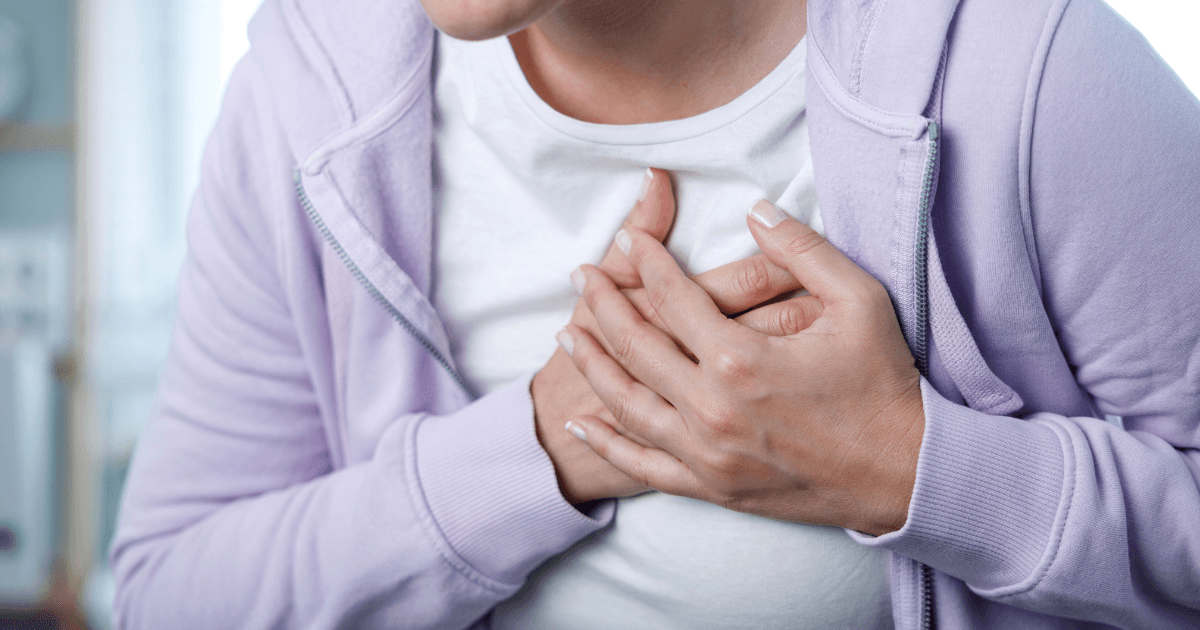


A heart attack is one of the most serious medical emergencies and it can happen to anyone, anytime. Many people imagine heart attacks as sudden, dramatic events, but in reality, they can build up silently over time and strike without warning.
Understanding what actually happens inside your body during a heart attack and knowing how to respond quickly can make the difference between life and death. Early action saves lives. In fact, medical research shows that getting treatment within the first 60–90 minutes significantly increases the chances of survival and reduces long-term damage to the heart.
In this guide, we’ll explain, in simple terms:
- What happens during a heart attack
- Common warning signs you should never ignore
- What to do if you or someone else is having one
- How to prevent it from happening in the first place
Understanding a Heart Attack: What It Really Means
A heart attack (medically called myocardial infarction) happens when the blood flow to part of the heart muscle is suddenly blocked.
Your heart needs a constant supply of oxygen-rich blood to function. That blood is delivered by the coronary arteries. When one of these arteries becomes blocked usually due to a blood clot forming on top of a cholesterol plaque, the part of the heart supplied by that artery starts to suffocate and die.
What causes the blockage?
- Plaque buildup (atherosclerosis): Over time, cholesterol, fat, and calcium accumulate on artery walls.
- Plaque rupture: Sometimes, the plaque bursts, triggering a blood clot.
- Blood clot formation: The clot blocks blood flow to part of the heart.
- Oxygen supply stops: Without oxygen, heart muscle cells start dying within minutes.
The longer the artery stays blocked, the more damage occurs. That’s why acting fast is critical.
What Happens Inside Your Body During a Heart Attack
Here’s what’s going on inside your body step by step:
1. Blood Flow to the Heart is Interrupted
- A plaque in the coronary artery ruptures.
- A blood clot forms at the site, blocking blood flow.
- The affected part of the heart muscle is starved of oxygen.
2. Heart Muscle Begins to Suffer
- Within minutes, cells begin to die.
- The longer the blockage continues, the more tissue is permanently damaged.
- If not treated, this can lead to heart failure or sudden cardiac death.
3. The Body Responds with Alarming Signals
- Chest pain, pressure, or tightness as the heart struggles.
- Shortness of breath because the heart isn’t pumping effectively.
- Nausea, sweating, dizziness — the body’s distress signals.
4. Heart Rhythm May Become Dangerous
- A heart attack can trigger arrhythmias — abnormal heart rhythms.
- Severe arrhythmias like ventricular fibrillation can cause sudden cardiac arrest.
- This is why immediate medical care is essential.
Warning Signs of a Heart Attack: Know Them Early
Contrary to popular belief, not all heart attacks feel like dramatic chest-clutching scenes from movies. Many start with mild symptoms that people ignore. Recognizing them early can save your life.
Most Common Symptoms:
- Chest pain or pressure: A squeezing, heavy, or burning sensation in the chest.
- Pain radiating to arm, neck, or jaw: Usually on the left side, but not always.
- Shortness of breath: Even when resting or doing light activity.
- Cold sweat or clammy skin: Sudden and unexplained.
- Nausea or vomiting: Especially in women.
- Lightheadedness or dizziness.
Important:
Some people, especially women, older adults, and diabetics, may have “silent” heart attacks - with no chest pain at all. They may only feel extreme fatigue, breathlessness, or mild indigestion-like discomfort.
What to Do If You Think Someone Is Having a Heart Attack
Immediate action can save a life. Every minute counts. Here’s what to do if you or someone near you shows signs of a heart attack:
Step 1: Call Emergency Services Immediately
- Dial your local emergency number (like 108 in India or 911 in the US).
- Do not try to drive yourself to the hospital.
Step 2: Keep the Person Calm and Still
- Have them sit down and rest.
- Loosen any tight clothing.
- Reassure them - panic increases heart strain.
Step 3: Give Aspirin (If Advised)
- Chewing a regular (non-coated) aspirin helps thin the blood and improve flow.
- Only give aspirin if the person is not allergic and has no contraindications.
Step 4: If the Person Stops Breathing – Start CPR
- If there’s no pulse or breathing, begin CPR immediately.
- Push hard and fast in the center of the chest (about 100–120 compressions per minute).
- Continue until help arrives or the person regains consciousness.
Step 5: Use an AED If Available
- An Automated External Defibrillator (AED) can restart the heart if it goes into a fatal rhythm.
- Follow the voice instructions on the device.
Common Mistakes People Make During a Heart Attack
Many people delay getting help because they misunderstand the symptoms. Here are mistakes you should never make:
- Ignoring mild chest discomfort: Even mild symptoms need urgent attention.
- Driving yourself to the hospital: It’s safer to wait for emergency services.
- Taking painkillers: They can mask symptoms and delay treatment.
- Thinking it’s just heartburn: If in doubt, always get checked.
Remember: “Time is muscle.” The faster you act, the more heart muscle can be saved.
Life After a Heart Attack: What Happens Next?
Surviving a heart attack is not the end - it’s a new beginning. Most people can lead healthy, active lives after recovery if they make important lifestyle changes.
What treatment usually involves:
- Medications: Blood thinners, beta-blockers, cholesterol-lowering drugs, and more.
- Angioplasty or stent: To open up blocked arteries.
- Bypass surgery: In severe cases, new pathways are created for blood flow.
- Cardiac rehabilitation: A supervised program of exercise, nutrition, and education.
Steps for a Healthy Recovery:
- Eat a heart-friendly diet (low in saturated fats and processed foods).
- Exercise regularly (under doctor supervision).
- Quit smoking and limit alcohol.
- Manage stress through meditation, yoga, or therapy.
- Keep regular follow-up appointments.
How to Lower Your Risk of a Future Heart Attack
Preventing a heart attack is always better than treating one. Even if you’re healthy, small daily habits can make a big difference:
- Eat smart: Choose fruits, vegetables, whole grains, and lean proteins.
- Stay active: At least 30 minutes of moderate exercise most days.
- Quit smoking: It’s one of the biggest risk factors.
- Get regular check-ups: Monitor blood pressure, cholesterol, and blood sugar.
- Manage stress: Chronic stress increases heart disease risk.
- Sleep well: 7–9 hours of quality sleep every night.
FAQs About Heart Attacks
Q1: Are heart attacks always sudden?
Not always. Many begin with mild symptoms that worsen over hours or even days.
Q2: Can young people have heart attacks?
Yes. Poor lifestyle habits, stress, and genetic risk factors are causing heart attacks even in people under 40.
Q3: What’s the difference between a heart attack and cardiac arrest?
A heart attack is a circulation problem — a blocked artery. Cardiac arrest is an electrical problem — the heart suddenly stops beating. A heart attack can lead to cardiac arrest.
Q4: Can women have different heart attack symptoms?
Yes. Women are more likely to have subtle symptoms like fatigue, nausea, or jaw pain instead of intense chest pain.
Q5: How long does a heart attack last?
It varies. Some last minutes, others hours. But damage begins within minutes — so don’t wait to seek help.
Final Thoughts: Fast Action Saves Lives
A heart attack is one of the most critical medical emergencies, but it doesn’t have to be a death sentence. Most people survive and thrive, if they receive immediate care and make heart-healthy lifestyle changes afterward.
The most important thing to remember is this: Do not wait. If you or someone else has symptoms, get medical help right away. It’s always better to have a false alarm than to ignore a real emergency.
Every second matters and so does every heartbeat.