


Chest pain is one of the most alarming symptoms a person can experience. For many, it immediately raises fears of blocked arteries or a heart attack. But what happens when repeated tests show that the main heart arteries are “normal,” yet the chest pain continues?
This is where Microvascular Angina comes in a condition that often goes undetected because it does not involve large, visible blockages. Instead, it affects the tiny blood vessels of the heart, making it harder to diagnose and easy to overlook.
In this blog, we explain what this condition is, why it is frequently missed, who is most at risk, and how patients can get the right diagnosis and care without fear or confusion.
What Is Microvascular Angina?
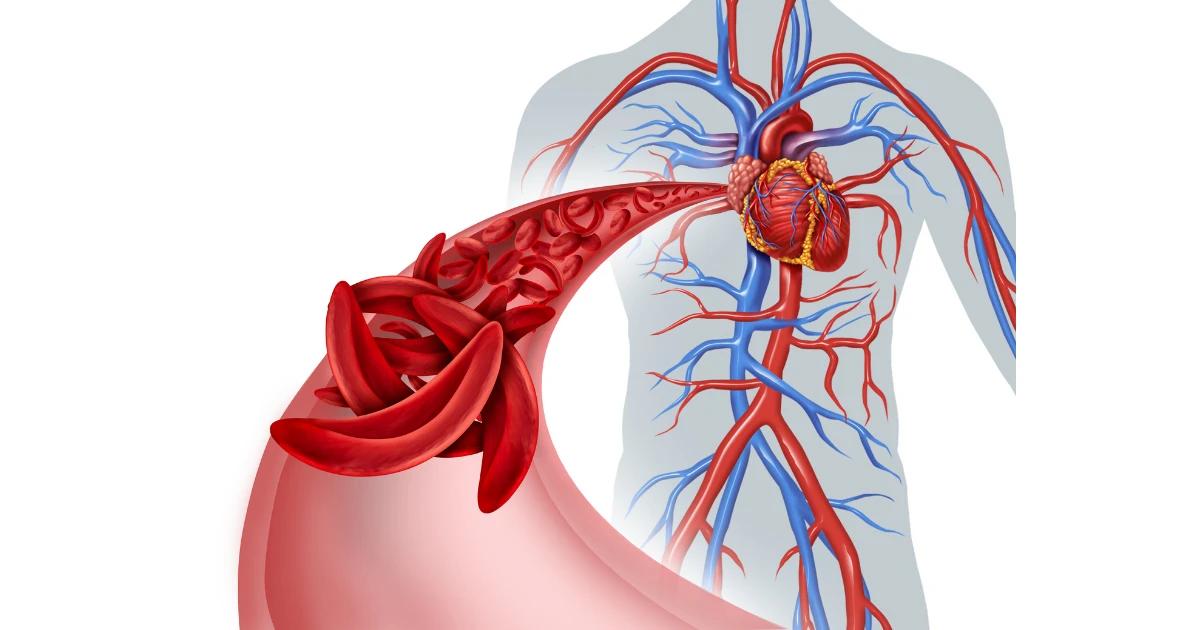
Microvascular angina is a type of chest pain caused by poor function of the heart’s smallest blood vessels. These vessels are responsible for delivering oxygen-rich blood deep into the heart muscle.
Unlike traditional heart disease, there may be no major blockage in the large coronary arteries, which is why standard tests can appear normal.
In Simple Terms
- Large heart arteries may look clear
- Small blood vessels do not work properly
- The heart muscle does not get enough oxygen
- Chest pain occurs, especially during activity or stress
This condition is sometimes referred to as small vessel heart disease, and it is very real even though it is harder to see.
Why Is This ‘Hidden Heart Blockage’ Often Missed?
Many patients feel frustrated after hearing, “Your angiography is normal,” while their symptoms continue.
Common Reasons It Gets Overlooked
- Standard angiograms focus on large arteries only
- Symptoms may come and go
- Chest pain may not follow classic patterns
- Stress tests can sometimes appear normal
- Awareness among patients is still limited
Because of this, people may be told their pain is due to acidity, anxiety, or muscle strain when the heart is actually involved.
Who Is More Likely to Develop This Condition?
While it can affect anyone, certain groups are more vulnerable.
Higher-Risk Groups Include
- Women, especially after menopause
- People with diabetes
- Individuals with high blood pressure
- Patients with obesity or metabolic syndrome
- Those with a family history of heart disease
Women, in particular, are more likely to experience chest pain with normal angiograms, which makes awareness extremely important.
Common Symptoms Patients Experience
The symptoms may feel similar to typical angina but often have subtle differences.
Symptoms to Watch For
- Chest pain or tightness
- Burning or pressure sensation
- Pain during routine activities
- Fatigue without clear reason
- Shortness of breath
- Discomfort lasting longer than expected
Some patients also report symptoms during emotional stress rather than physical exertion.
How Is Microvascular Angina Diagnosed?
Diagnosis requires careful evaluation and often goes beyond routine tests.
Common Diagnostic Steps
- Detailed symptom history
- ECG and stress testing
- Echocardiography
- Advanced imaging when needed
- Exclusion of major artery blockages
Because no single test confirms it easily, doctors rely on a combination of findings and clinical judgment.
Is This Condition Dangerous?
This is a very common patient concern.
Important Facts
- It is not “imaginary” pain
- It can affect quality of life significantly
- It increases long-term heart risk if untreated
- With proper care, symptoms can be controlled
While it may not cause sudden massive heart attacks like major blockages, ignoring symptoms can lead to long-term heart strain.
Treatment: How Is It Managed?
Treatment focuses on improving blood flow in small vessels and reducing symptoms.
Common Management Approaches
- Medications to improve vessel function
- Blood pressure and sugar control
- Cholesterol management
- Stress reduction techniques
- Lifestyle modifications
Each treatment plan is personalized. The goal is not just symptom relief, but long-term heart protection.
Lifestyle Changes That Truly Help
Daily habits play a powerful role in managing symptoms.
Heart-Friendly Lifestyle Tips
- Regular, moderate physical activity
- Balanced diet rich in fruits and vegetables
- Good sleep routine
- Stress management through relaxation
- Avoiding smoking and excessive alcohol
Lifestyle changes work best when combined with medical guidance, not as a replacement.
Why Many Patients Are Told ‘Your Heart Is Fine’
This can be emotionally exhausting for patients.
Why It Happens
- Tests focus on visible blockages
- Symptoms don’t match textbook patterns
- Pain may improve temporarily
- Limited awareness among non-specialists
This does not mean the pain is psychological. It means the condition requires a more nuanced approach.
How Patients Can Advocate for Themselves
If symptoms persist, patients should feel empowered to seek answers.
What You Can Do
- Clearly describe symptoms and triggers
- Ask about small vessel disease
- Request further evaluation if pain continues
- Keep track of symptom patterns
- Seek a second opinion when needed
Listening to your body is just as important as test results.
Frequently Asked Questions (FAQs)
1. Is Microvascular Angina a real heart disease?
Yes. It is a recognized heart condition affecting small blood vessels.
2. Can angiography miss this condition?
Yes. Angiography mainly detects large artery blockages.
3. Is this condition more common in women?
Yes, especially in middle-aged and post-menopausal women.
4. Can it be cured completely?
It can be well-managed with treatment and lifestyle changes.
5. Should chest pain be ignored if tests are normal?
No. Persistent chest pain always deserves medical attention.
Conclusion
Microvascular angina is a reminder that not all heart problems are visible on standard tests. Chest pain with normal angiograms does not mean the heart is healthy it may mean the problem lies deeper, in the smallest blood vessels that nourish the heart muscle.
With growing awareness, better evaluation, and personalized care, patients can manage symptoms effectively and protect their heart health long-term. If you or a loved one continues to experience unexplained chest pain, do not settle for uncertainty. The right diagnosis can make all the difference.
Authoritative References
- Cleveland Clinic - Microvascular Angina
- American Heart Association - Microvascular Angina
- Wikipedia - Microvascular Angina
- British Heart Foundation - Microvascular Angina