
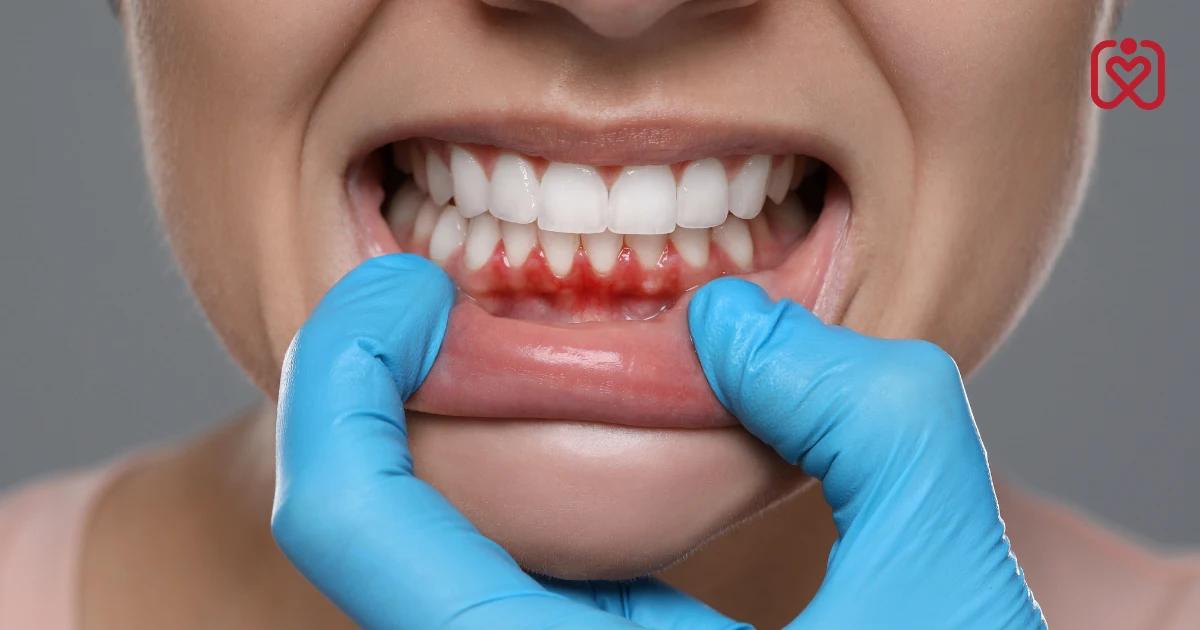


Most people think bleeding gums or bad breath are only dental problems. However, growing research shows that poor oral health may also affect the heart. In fact, untreated Gum Disease has been linked to a higher risk of heart disease, stroke, and blocked arteries.
The mouth is connected to the rest of the body through blood circulation. When the gums become infected, harmful bacteria and inflammation may spread beyond the mouth and affect blood vessels and the heart.
Understanding this connection can help people take better care of both their oral health and cardiovascular well-being.
What Is Gum Disease?
Gum disease is an infection and inflammation of the tissues that support the teeth. It usually develops slowly due to poor oral hygiene.
There are two main stages:
Gingivitis
- Early stage of gum irritation
- Causes redness, swelling, and bleeding while brushing
Periodontitis
- Advanced stage affecting deeper tissues and bone
- May lead to loose teeth or tooth loss
Without treatment, the infection can become chronic and affect overall health.
How Oral Health Affects the Heart
The mouth contains millions of bacteria. Normally, regular brushing and flossing help control them. But when oral hygiene is poor, bacteria multiply and enter the bloodstream through inflamed gums.
This may lead to:
- Inflammation inside blood vessels
- Damage to artery walls
- Increased plaque buildup
- Higher risk of blood clots
The American Heart Association explains that inflammation plays an important role in cardiovascular disease, and chronic infections may contribute to this process.
The Link Between Gum Disease and Blocked Arteries
One of the biggest concerns is the connection between gum infection and atherosclerosis, a condition where arteries become narrow and stiff.
Researchers believe oral bacteria may:
- Trigger immune reactions in blood vessels
- Increase inflammatory markers
- Contribute to fatty plaque formation
Over time, this can reduce blood flow to the heart and increase the risk of heart attack.
The National Heart, Lung, and Blood Institute (NHLBI) highlights inflammation as a major factor in the development of cardiovascular disease.
Warning Signs You Should Not Ignore
Many people ignore early dental symptoms because they seem minor. However, persistent oral problems should not be overlooked.
Common signs include:
- Bleeding while brushing or flossing
- Swollen or tender gums
- Bad breath that does not improve
- Receding gums
- Loose teeth
If these symptoms continue, it is important to seek dental care early.
Who Is at Higher Risk?
Some people are more likely to develop both gum and heart-related problems.
Risk factors include:
- Smoking
- Diabetes
- Obesity
- Poor diet
- Stress
- Lack of regular dental care
These same factors can also increase inflammation in the body, which affects cardiovascular health.
You may also explore our blog on How Chronic Inflammation Damages the Heart.
How Diabetes Makes the Problem Worse
People with diabetes are particularly vulnerable because high blood sugar weakens the body’s ability to fight infection.
This creates a harmful cycle:
- High blood sugar worsens gum infection
- Gum inflammation makes blood sugar harder to control
- Poor diabetes control increases heart disease risk
Because of this, oral care becomes especially important for diabetic patients.
The Centers for Disease Control and Prevention (CDC) states that diabetes, gum problems, and cardiovascular disease are closely connected.
Can Treating Gum Disease Improve Heart Health?
Good oral care cannot completely prevent heart disease, but it may help reduce inflammation and improve overall health.
Treatment may include:
- Professional dental cleaning
- Deep cleaning procedures
- Improved brushing and flossing habits
- Managing underlying health conditions
Some studies show that treating gum infections may improve blood vessel function and lower inflammatory markers.
Daily Habits That Protect Both Gums and Heart
Simple lifestyle changes can support both oral and cardiovascular health.
Brush Properly
- Brush teeth twice daily
- Use a soft-bristled toothbrush
Floss Regularly
- Removes bacteria between teeth
- Reduces plaque buildup
Avoid Tobacco
- Smoking damages gums and blood vessels
Eat a Healthy Diet
- Reduce sugary foods
- Include fruits and vegetables
Visit Your Dentist Regularly
- Professional cleaning helps prevent advanced infection
These habits also support overall heart protection.
You can also read our guide on Heart-Healthy Lifestyle Habits.
Common Patient Questions
Can poor oral health really affect the heart?
Yes. Research suggests that chronic oral inflammation may increase cardiovascular risk.
Does bleeding gums mean heart disease?
Not necessarily, but persistent gum problems should not be ignored.
Can brushing teeth reduce heart risk?
Good oral hygiene may help lower inflammation and improve overall health.
Should heart patients visit the dentist regularly?
Yes. Maintaining oral health is important for people with cardiovascular conditions.
The Role of Inflammation in Both Conditions
Inflammation is the key connection between oral infection and heart disease.
When inflammation remains active for long periods:
- Blood vessels become damaged
- Plaque buildup increases
- Blood flow may become restricted
This is why doctors now view oral health as an important part of overall wellness not just dental care.
When to See a Doctor or Dentist
You should seek evaluation if you experience:
- Frequent gum bleeding
- Persistent bad breath
- Swollen gums
- Loose teeth
- Chest discomfort or unexplained fatigue along with oral issues
Early treatment can help prevent complications.
Why Prevention Matters
Both gum problems and heart disease often develop slowly. By the time symptoms become severe, significant damage may already exist.
Preventive care helps:
- Reduce inflammation
- Protect blood vessels
- Improve quality of life
- Lower long-term health risks
Small daily habits can make a major difference over time.
FAQs
1. Can gum disease increase heart disease risk?
Yes. Chronic oral inflammation may contribute to artery damage and cardiovascular problems.
2. Do bleeding gums always mean infection?
Not always, but persistent bleeding should be checked by a dentist.
3. Can dental cleaning improve heart health?
It may help reduce inflammation and improve overall health.
4. How often should I visit the dentist?
Most people benefit from dental checkups every 6 months.
5. Is oral health important for diabetic patients?
Yes. Diabetes increases the risk of both gum disease and heart complications.
Conclusion
Gum Disease is more than a dental concern. Research continues to show a strong connection between oral inflammation and heart health. When harmful bacteria and chronic inflammation spread beyond the mouth, they may contribute to artery damage and increase cardiovascular risk.
Taking care of your gums is an important step toward protecting your heart. Regular brushing, flossing, healthy eating, and routine dental checkups can support both oral and cardiovascular wellness.
Good oral hygiene is not just about your smile it may also help protect your heart for the future.