
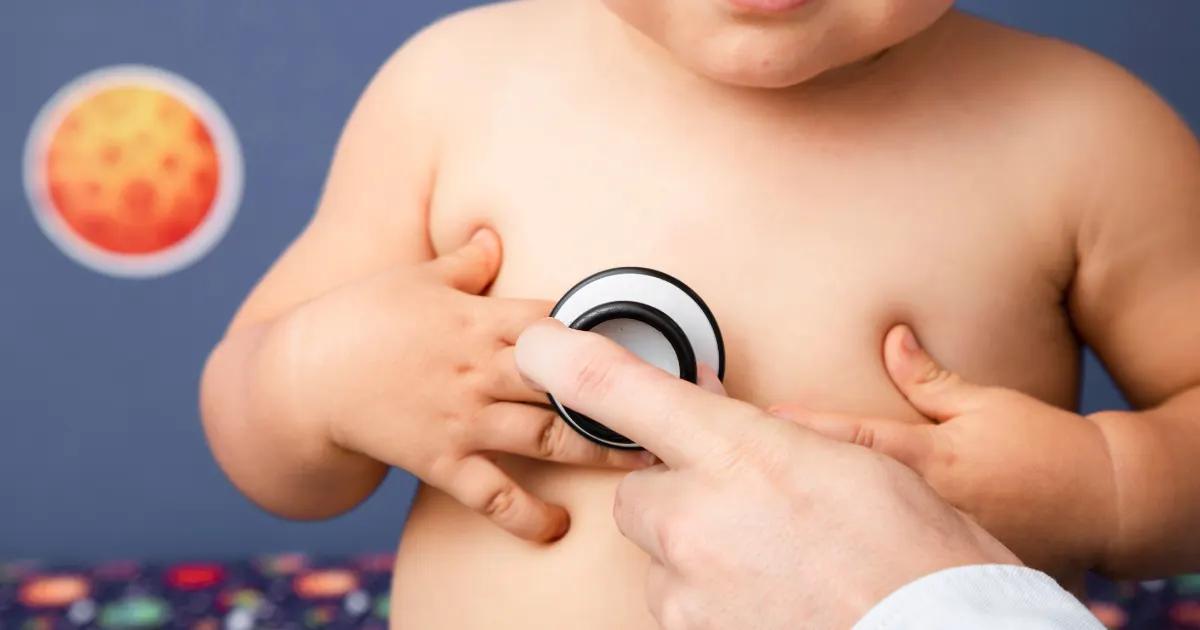


When parents think about heart problems, they often imagine conditions that affect adults. However, even children can experience heart rhythm issues, known as pediatric arrhythmias. These irregular heartbeats can range from harmless to potentially serious, depending on their cause and frequency.
While most cases are treatable with early detection and proper medical care, understanding what arrhythmias mean for your child can make a big difference. This blog will explain what pediatric arrhythmias are, what causes them, their symptoms, and how doctors diagnose and treat them in simple, easy-to-understand language.
What Are Pediatric Arrhythmias?
A child’s heart beats at a naturally faster pace than an adult’s. However, sometimes the heartbeat may become too fast, too slow, or irregular, which is medically known as an arrhythmia.
Simply put, an arrhythmia happens when the electrical signals that control the heartbeat do not function properly. This can cause the heart to beat irregularly skipping beats, adding extra beats, or changing rhythm suddenly.
Types of Pediatric Arrhythmias
Common types include:
- Tachycardia – When the heart beats too fast.
- Bradycardia – When the heart beats too slow.
- Supraventricular Tachycardia (SVT) – A common arrhythmia in children where the upper chambers of the heart beat rapidly.
- Ventricular Tachycardia (VT) – A fast rhythm starting in the heart’s lower chambers; more serious and needs immediate care.
- Premature Beats – Extra heartbeats that occur occasionally and are usually harmless.
What Causes Irregular Heartbeats in Children?
Not all arrhythmias in kids mean something is wrong with the heart. Sometimes, they occur due to minor electrical misfires that don’t cause harm. However, certain conditions may trigger or worsen these rhythm changes.
Common Causes Include:
- Congenital heart defects (present from birth)
- Inflammation of the heart muscle (myocarditis)
- Electrolyte imbalances (low potassium, calcium, or magnesium)
- Heart surgery complications
- Genetic or inherited rhythm disorders
- Certain medications or stimulants (like caffeine or cold medicine)
- High fever or dehydration
In some cases, arrhythmias may occur without any identifiable cause, especially in otherwise healthy children.
Symptoms of Arrhythmia in Kids
One of the challenges with childhood heart rhythm disorders is that symptoms can be vague or easily mistaken for anxiety, fatigue, or dehydration. Parents should be observant of subtle changes.
Common Signs and Symptoms:
- Rapid or irregular heartbeat that the child can feel
- Dizziness or fainting spells
- Fatigue during play or exercise
- Shortness of breath
- Chest discomfort
- Paleness or sudden sweating
- Poor feeding in infants
If your child experiences frequent fainting, chest pain, or breathlessness, consult a pediatric cardiologist immediately.
How Are Pediatric Arrhythmias Diagnosed?
Diagnosing an irregular heartbeat in children requires careful evaluation. Pediatric cardiologists use non-invasive tests to identify how the heart’s electrical system is working.
Common Diagnostic Tests:
- Electrocardiogram (ECG or EKG): Records the heart’s electrical signals to detect abnormal rhythms.
- Holter Monitor: A portable ECG device your child wears for 24-48 hours to track heart activity during normal activities.
- Echocardiogram: Ultrasound of the heart to check structure and blood flow.
- Exercise Stress Test: Measures how the heart performs during physical activity.
- Electrophysiology Study (EPS): In some cases, doctors may study the heart’s electrical pathways in detail using catheters.
Early diagnosis is key. Many arrhythmias can be managed effectively once the exact cause is identified.
Treatment Options for Pediatric Arrhythmias
The treatment depends on the type and severity of arrhythmia. Not all cases need aggressive therapy many mild arrhythmias in children resolve on their own as they grow older.
Common Treatment Approaches:
1. Observation and Regular Monitoring
- If the arrhythmia is mild and doesn’t cause symptoms, doctors may recommend periodic check-ups.
2. Medications
- Drugs may be used to help regulate the heart’s rhythm or prevent complications.
3. Lifestyle Modifications
- Reducing caffeine, avoiding dehydration, and managing stress can help stabilize heart rhythm.
4. Cardiac Ablation
- A minimally invasive procedure that uses energy to correct abnormal electrical pathways in the heart.
5. Pacemaker or Implantable Devices
- Used when the heartbeat is too slow (bradycardia) or irregular. These devices help maintain a steady rhythm.
6. Surgery (Rare Cases)
- In severe or structural heart defects, surgery may be required to restore normal heart function.
Can Pediatric Arrhythmias Be Prevented?
Most arrhythmias cannot be completely prevented, especially if they are due to genetic or congenital factors. However, you can lower the risk of complications by focusing on your child’s overall heart health.
Prevention Tips:
- Maintain a balanced diet with fresh fruits, vegetables, and whole grains.
- Encourage regular physical activity, but avoid overexertion.
- Keep hydration levels up, especially during sports.
- Limit caffeine (from soft drinks, chocolate, or energy drinks).
- Regular follow-ups with a pediatric cardiologist if your child has a known heart condition.
Early lifestyle awareness and medical follow-up can ensure children lead active, healthy lives despite having an arrhythmia diagnosis.
Living With a Child Who Has an Irregular Heartbeat
Having a child with a heart condition can be stressful for parents. But with the right care and support, most children with arrhythmias live completely normal lives.
Practical Tips for Parents:
- Follow medication and appointment schedules strictly.
- Inform school teachers and sports coaches about the condition.
- Learn basic CPR (cardiopulmonary resuscitation).
- Watch for warning signs like fainting or fatigue during activities.
- Maintain emotional support anxiety is common in children with health conditions.
When to See a Doctor Urgently
Seek immediate medical care if your child experiences:
- Sudden loss of consciousness
- Chest pain or tightness
- Severe breathlessness
- Heart rate that stays too fast or too slow
- Bluish lips or skin (sign of poor oxygen circulation)
Early medical intervention can prevent serious complications.
The Outlook for Children With Arrhythmias
Thanks to modern pediatric cardiology, outcomes for children with arrhythmias are better than ever. Many kids outgrow minor rhythm disturbances. For others, medications or minimally invasive procedures like ablation can completely cure the condition.
Regular medical check-ups, lifestyle monitoring, and supportive parenting form the foundation of long-term heart health for these children.
FAQs on Pediatric Arrhythmias
1. Can children outgrow arrhythmias?
Yes, many mild arrhythmias disappear as a child grows older because the heart’s electrical system matures over time.
2. Is physical activity safe for kids with arrhythmias?
Most children can be active but may need to avoid strenuous sports. Always check with a pediatric cardiologist for activity guidelines.
3. How is a Holter monitor used for kids?
It’s a small device that tracks heart rhythms continuously for a day or two to detect irregularities that may not appear during a clinic visit.
4. Are arrhythmias genetic?
Some arrhythmias can run in families, especially those linked to inherited electrical or structural heart problems.
5. Can stress or anxiety cause arrhythmias in children?
Emotional stress can temporarily affect heart rhythm, but persistent irregularities need medical evaluation.
Conclusion
Pediatric arrhythmias may sound alarming, but with timely diagnosis, proper medical guidance, and regular follow-ups, most children with irregular heartbeats can lead completely normal and active lives. Awareness among parents plays a crucial role recognizing symptoms early, seeking help from a pediatric cardiologist, and ensuring consistent care can prevent complications and support healthy heart function.
If your child experiences unusual symptoms like fainting, dizziness, or irregular pulse, don’t ignore them consult a child heart specialist for proper evaluation. Early intervention not only ensures effective management but also gives your child the best chance at a healthy future.
Authoritative References
- Cleveland Clinic - Pediatric Arrhythmia
- American Heart Association - Children with Arrhythmia
- PubMed Central - Pediatric Arrhythmia
- Life in the Fast Lane - Common Pediatric Arrhythmias
- Johns Hopkins Medicine - Arrhythmias in Children