


Heart diseases are often linked to lifestyle factors like diet, stress, or lack of exercise. However, some heart conditions develop quietly due to immune system problems and are easy to miss. One such condition is Cardiac Sarcoidosis, a rare but serious disease that can silently damage the heart if not identified in time.
Many patients live for years with unexplained fatigue, irregular heartbeat, or breathlessness without knowing the real cause. This blog explains what cardiac sarcoidosis is, why it is frequently missed, how it affects the heart, and when you should seek medical help. The goal is to help you make informed decisions in simple, easy-to-understand language.
What Is Cardiac Sarcoidosis?
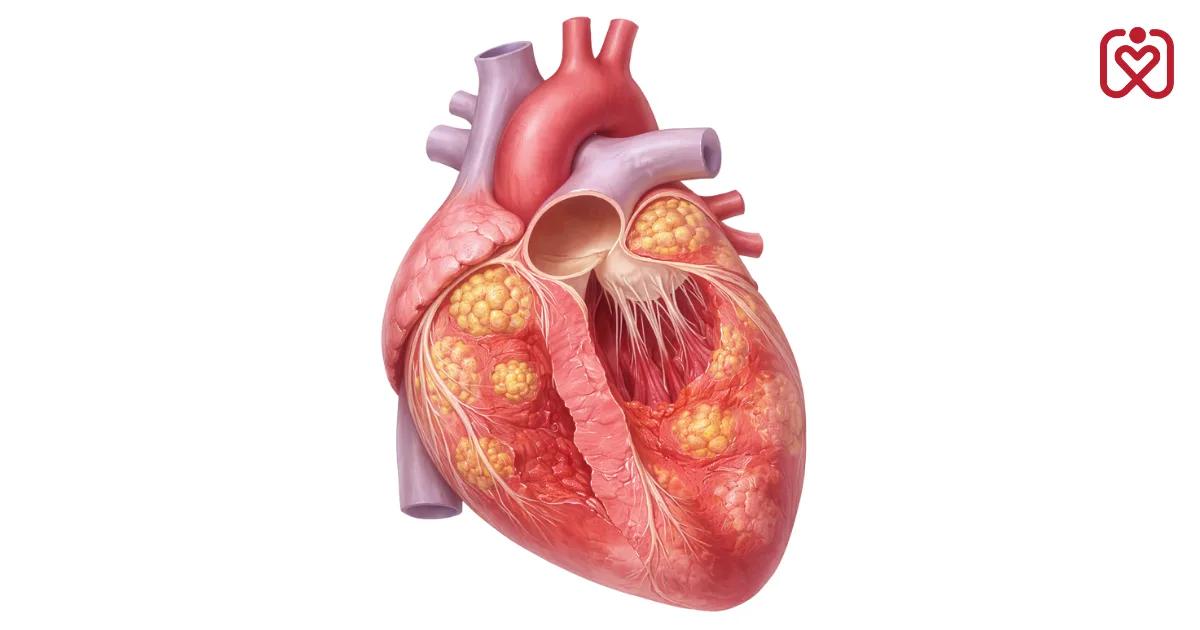
Sarcoidosis is an immune-related condition where clusters of inflammatory cells, called granulomas, form in different organs of the body. While it most commonly affects the lungs, eyes, or skin, in some people these inflammatory clusters involve the heart.
When sarcoidosis affects heart tissue, it is known as Cardiac Sarcoidosis. The inflammation can interfere with the heart’s electrical system, muscle strength, or blood flow, leading to potentially serious complications.
Key points to understand:
- It is not an infection and not contagious
- It is caused by an overactive immune response
- Heart involvement may occur even if other organs seem normal
- Symptoms may appear suddenly or progress slowly over time
Why Is This Condition Often Missed?
One of the biggest challenges with this condition is that it does not always cause obvious heart-related symptoms in the early stages.
Doctors often miss it because:
- Symptoms can look like common heart rhythm problems
- Many patients already have sarcoidosis in another organ and heart symptoms are overlooked
- Some people have no symptoms until a serious event occurs
- Routine tests may appear normal in the early phase
Because of these factors, patients are sometimes treated for general heart rhythm issues without identifying the underlying immune cause.
How Does Sarcoidosis Affect the Heart?
Inflammation in the heart can affect different areas, leading to different problems depending on where the granulomas form.
Possible effects include:
- Disturbance in heart rhythm causing palpitations or fainting
- Weakening of the heart muscle, leading to heart failure
- Blockage of electrical signals causing slow or irregular heartbeat
- Scarring of heart tissue, which may be permanent if untreated
Over time, untreated inflammation can increase the risk of serious complications, including sudden cardiac events.
Common Symptoms You Should Not Ignore
Symptoms vary widely from person to person. Some people have mild complaints, while others develop severe symptoms quickly.
Common warning signs include:
- Unexplained fatigue that does not improve with rest
- Shortness of breath during routine activities
- Chest discomfort without clear cause
- Irregular heartbeat or fluttering sensation
- Dizziness or fainting episodes
- Swelling in legs or ankles
If you already have sarcoidosis affecting another organ and notice any of these symptoms, heart evaluation becomes especially important.
Who Is at Higher Risk?
Although anyone can develop sarcoidosis, certain groups appear to be more vulnerable to heart involvement.
Risk factors may include:
- People diagnosed with sarcoidosis in the lungs or lymph nodes
- Adults between 25 and 50 years of age
- Individuals with unexplained heart rhythm disorders
- Family history of inflammatory or autoimmune conditions
- Patients with heart failure without a clear cause
Being in a risk group does not mean you will develop heart involvement, but it does mean symptoms should be taken seriously.
How Is Cardiac Sarcoidosis Diagnosed?
Diagnosing this condition can be challenging because no single test confirms it with certainty. Doctors usually rely on a combination of clinical history, imaging, and heart tests.
Common diagnostic approaches include:
- Electrocardiogram to assess heart rhythm changes
- Echocardiography to evaluate heart muscle function
- Advanced imaging such as cardiac MRI or PET scan
- Blood tests to check inflammation markers
- Biopsy in selected cases, though it is not always required
Early diagnosis plays a crucial role in preventing permanent heart damage.
Why Early Detection Makes a Big Difference
When identified early, inflammation can often be controlled before lasting damage occurs.
Benefits of early diagnosis include:
- Better control of heart rhythm problems
- Reduced risk of heart failure progression
- Improved quality of life
- Lower chance of sudden cardiac complications
Delays in diagnosis may lead to scarring that cannot be reversed, making long-term management more complex.
Treatment Options: What Patients Should Know
Treatment focuses on reducing inflammation, managing heart symptoms, and preventing complications. Therapy is tailored to each patient based on severity.
Common treatment strategies include:
- Medications that suppress immune-related inflammation
- Drugs to control abnormal heart rhythms
- Devices such as pacemakers or defibrillators in selected cases
- Regular monitoring to track heart function over time
Most patients require long-term follow-up even after symptoms improve.
Living With Cardiac Sarcoidosis
A diagnosis can feel overwhelming, but many people live full and active lives with proper care.
Helpful lifestyle measures include:
- Taking medications exactly as prescribed
- Attending regular heart check-ups
- Reporting new or worsening symptoms promptly
- Managing stress and maintaining a heart-friendly routine
- Avoiding sudden changes in physical activity without medical advice
Support from family, doctors, and patient education plays a major role in long-term outcomes.
When Should You See a Heart Specialist?
You should seek expert evaluation if:
- You have sarcoidosis and develop heart-related symptoms
- You experience fainting or unexplained palpitations
- Heart rhythm problems appear without a clear cause
- Symptoms worsen despite standard treatment
Timely consultation with an experienced heart specialist can be life-saving in some cases.
Common Questions Patients Ask
1. Is cardiac sarcoidosis life-threatening?
It can be serious if untreated, but early diagnosis and proper management significantly reduce risks.
2. Can it be completely cured?
There is no absolute cure, but inflammation can often be controlled effectively.
3. Do all sarcoidosis patients develop heart problems?
No, only a small percentage develop heart involvement.
4. Will I need lifelong treatment?
Some patients require long-term monitoring and medication, depending on disease severity.
Conclusion
Cardiac sarcoidosis is rare, complex, and often overlooked, yet its impact on heart health can be significant. Awareness is the first step toward prevention of serious complications. Recognizing symptoms early, understanding risk factors, and seeking timely medical care can make a life-changing difference.
If you or a loved one has unexplained heart symptoms or a known history of sarcoidosis, do not ignore the signs. A proactive approach guided by experienced heart specialists can help protect your heart and improve long-term outcomes.
Authoritative References
- Cleveland Clinic - Cardiac Sarcoidosis
- Johns Hopkins Medicine - Cardiac Sarcoidosis
- American Heart Association - Cardiac Sarcoidosis