
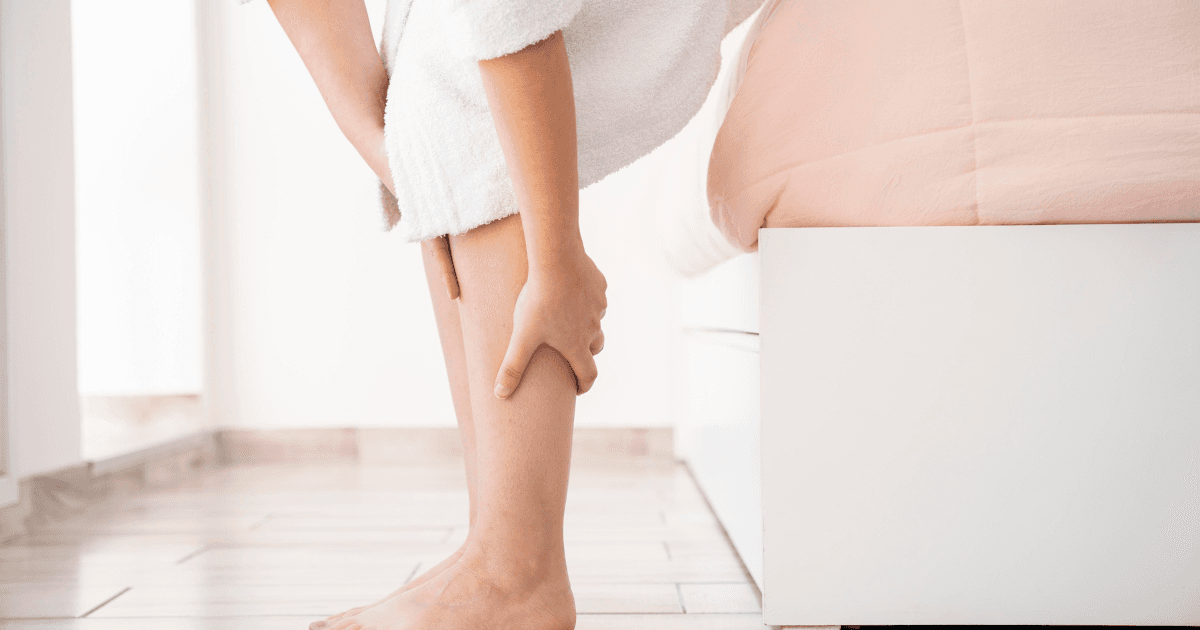


When we think about the heart, we imagine the organ in our chest that tirelessly pumps blood. But very few people know that our body has another mechanism often called the “Second Heart” the calf muscles in our legs. These muscles play a surprisingly important role in supporting healthy blood circulation and protecting your heart from extra strain.
In this blog, we’ll explore why the calves are given this unique name, how they impact your cardiovascular system, and what you can do to keep them strong and effective.
What Does “Second Heart” Really Mean?
The calf muscles particularly the soleus and gastrocnemius muscles act like a pump that helps push blood from the legs back up to the heart. Since blood has to travel against gravity, the heart alone cannot handle this return circulation efficiently. That’s where your calves step in.
- When you walk, run, or even flex your feet, the calf muscles contract and squeeze the veins in your legs.
- This action forces blood upward, preventing it from pooling in the lower body.
- Because of this critical function, medical experts often refer to the calves as the “Second Heart.”
Without strong calf muscles, blood flow slows down, which can lead to swollen legs, varicose veins, and in severe cases, deep vein thrombosis (DVT).
Why Are Calf Muscles Important for Heart Health?
Your cardiovascular system works as a team, and the calf pump is one of its unsung heroes. Here’s why:
- Supports circulation: Calf contractions push blood upward, reducing the workload on your chest heart.
- Prevents blood clots: Good circulation lowers the risk of dangerous clots in the legs.
- Reduces swelling: Active calf muscles prevent fluid build-up, which is common when sitting for long hours.
- Protects veins: Strong calves reduce pressure on veins, slowing the development of varicose veins.
- Improves endurance: Healthy calf function boosts oxygen supply to muscles, making everyday activities easier.
This is especially important for people with conditions like high blood pressure, diabetes, and obesity, where circulation problems are common.
Signs Your “Second Heart” May Be Weak
Most people don’t notice calf muscle weakness until it starts showing symptoms. Warning signs include:
- Frequent swelling in the ankles and feet
- Feeling of heaviness or tiredness in the legs after standing
- Leg cramps, especially at night
- Varicose or spider veins becoming more visible
- Numbness or tingling in the feet
- Slow healing of wounds in the lower legs
If ignored, these symptoms can increase the risk of chronic venous insufficiency or blood clot-related complications.
Everyday Habits That Damage Your Calf Pump
Modern lifestyles often put the “Second Heart” at risk. Some habits that harm calf muscle function include:
- Sitting for long hours without moving
- Lack of exercise or physical activity
- Wearing high heels frequently
- Being overweight, which puts extra stress on the legs
- Ignoring leg cramps and swelling
- Smoking, which damages blood vessels
Small lifestyle changes can prevent this silent damage and improve circulation.
Simple Ways to Strengthen Your Second Heart
The good news is that strengthening your calves is simple and requires no expensive equipment. Even small movements can activate the calf pump and protect your circulation.
Easy Daily Tips:
- Take walking breaks: Stand up and walk for 5 minutes every hour if you sit for long periods.
- Stretch your calves: Do toe raises while waiting in a queue or brushing your teeth.
- Ankle circles: Rotate your feet when sitting for a long time to keep blood moving.
- Elevate your legs: Raise your legs on a pillow for 15 minutes to reduce swelling.
Best Exercises for Calf Health:
- Calf raises – Stand on your toes and slowly lower down. Repeat 15–20 times.
- Brisk walking – Improves circulation and calf endurance.
- Jump rope – Strengthens calf muscles and boosts cardiovascular health.
- Cycling – Activates calf pump consistently.
- Swimming – Low-impact way to work calf muscles and improve circulation.
Even 10-15 minutes of daily calf exercises can significantly improve your “Second Heart” function.
Second Heart and Aging: Why It Matters More With Time
As we age, both the heart and the calf muscles lose efficiency. Older adults often struggle with reduced mobility, which further weakens the calf pump. This creates a cycle: less movement → weaker calf pump → poor circulation → more health risks.
For seniors, strengthening the calf pump can:
- Reduce leg swelling and discomfort
- Lower risk of venous diseases
- Support healthy blood pressure
- Improve mobility and independence
Maintaining strong calves is as important as monitoring blood sugar or blood pressure in older adults.
Common Patient Concerns About the Second Heart
Many patients have questions when they hear about the calf muscles being called the second heart. Let’s address some common concerns:
1. Can weak calves really affect my heart?
Yes. If your calves don’t push blood upward efficiently, your heart has to work harder, which may contribute to long-term strain on the cardiovascular system.
2. I have a desk job. How can I keep my second heart active?
Simple movements like calf raises, foot tapping, or walking during breaks are enough to keep your calf pump functioning.
3. Are compression stockings helpful?
Yes. For people with circulation issues, compression stockings support vein function and help the calf muscles push blood upward.
4. Can exercising calves lower blood pressure?
While calf exercises alone won’t cure high blood pressure, they improve circulation and support overall cardiovascular health when combined with a heart-healthy lifestyle.
5. Do people with diabetes need to focus on calf health?
Absolutely. Diabetes often damages blood vessels, making circulation harder. Strong calves reduce the risk of foot ulcers and slow healing.
Second Heart and Heart Disease Connection
Studies show that poor calf muscle function is linked to higher risks of heart disease, stroke, and venous disorders. This happens because:
- Blood pooling in the legs increases pressure on veins.
- The heart has to pump harder to keep blood flowing.
- Oxygen supply to the muscles and organs decreases.
That’s why keeping the calves strong is a smart preventive step in reducing cardiovascular risk.
Key Takeaways: Protecting Your Second Heart
- The calf muscles are called the Second Heart because they help pump blood back to the chest.
- Weak calves can cause swelling, varicose veins, and increased strain on your real heart.
- Simple daily activities like walking, stretching, and calf raises can keep them strong.
- Older adults and people with diabetes, high blood pressure, or sedentary lifestyles should pay extra attention to calf health.
- Supporting your calf pump means supporting your overall heart health.
Conclusion
Your heart and calves are a team. While the heart pumps blood out, your Second Heart the calf muscles makes sure it returns smoothly. Ignoring this vital function can silently damage your cardiovascular system over time. But the good news is that protecting your second heart is simple: move more, stretch often, and strengthen your calves regularly. Strong calves don’t just keep your legs healthy they keep your real heart younger and stronger too.