
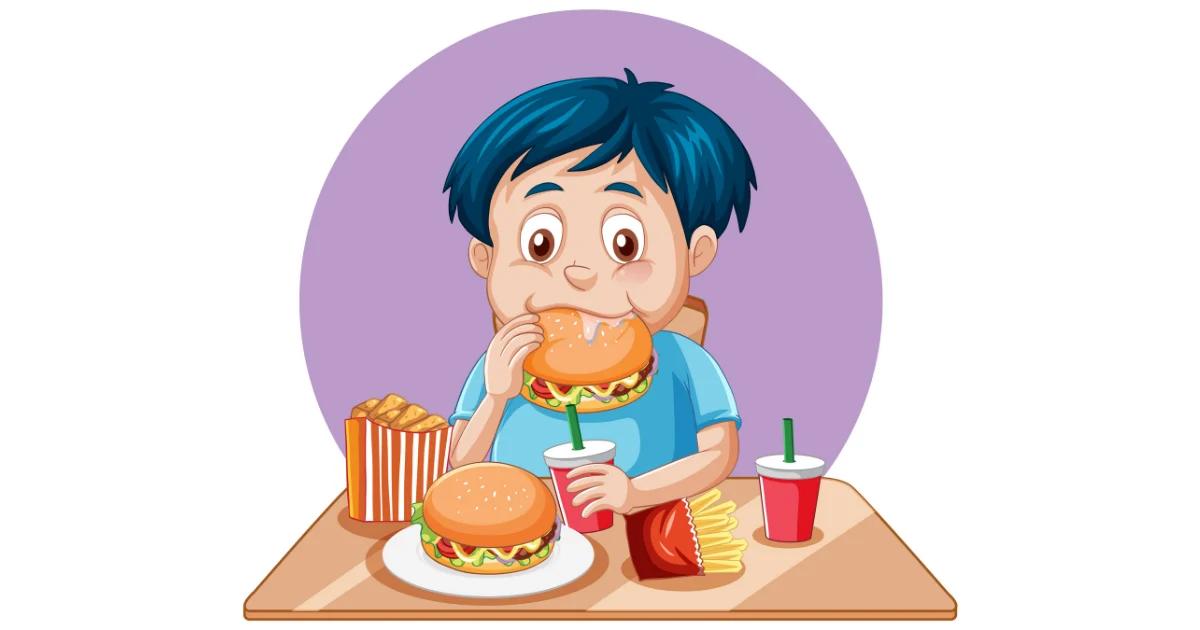


Fast food has become a normal part of many children’s daily routines quick snacks, weekend treats, or easy dinner options. But while it may seem harmless, experts warn that Kids & Fast Food is a dangerous combination that can silently harm a child’s long-term heart health. Heart disease may look like something only adults face, but unhealthy eating habits formed early in life increase the chances of developing serious problems in later years.
In this blog, we’ll explore why fast food is risky for growing children, what it does to their bodies, how it impacts future heart health, and what parents can do to build healthier habits without overwhelming their kids.
Why Fast Food Is Rising Among Kids
Fast food is designed to be:
- Quick
- Tasty
- Cheap
- Convenient
These reasons make it appealing to busy families. But children are even more vulnerable to it because:
- They are influenced by advertising and colorful packaging.
- They crave instant gratification.
- They find fast food flavours more addictive due to high sugar, salt, and fat.
- Parents often use it as a reward or quick fix for hunger.
This combination leads to regular intake, which can seriously impact overall health.
How Fast Food Affects a Child’s Growing Body
Fast food affects children more quickly and more deeply than adults due to their smaller body size and faster metabolism. Here’s why this is harmful:
1. High in Bad Fats
- Most fast foods contain trans fats and saturated fats.
- These fats increase bad cholesterol (LDL) even in young children.
- Over time, they begin damaging the arteries.
2. Too Much Salt
- Fast food items like fries, nuggets, and pizzas are loaded with excess salt.
- High salt intake is directly linked to higher blood pressure.
- Early-life high BP is a strong predictor of adult heart disease.
3. Added Sugars
- Sugary drinks and desserts cause rapid spikes in blood sugar.
- This increases the risk of diabetes, which doubles heart disease risk later.
4. Low in Fiber and Nutrients
- Kids feel full but are not nourished.
- Lack of essential vitamins weakens immunity and affects growth.
The Bigger Picture: How Fast Food Affects Future Heart Health
Parents often assume heart disease only happens at 40 or 50. But research shows that: The foundations of heart health are built in childhood. Artery thickening and plaque buildup can begin as early as age 10.
Fast food contributes to early risk factors such as:
1. Childhood Obesity
One of the strongest links between Kids & Fast Food is obesity. Fast food packs many calories in small portions, and kids often end up overeating without realising it.
Obesity increases the risk of:
- High blood pressure
- High cholesterol
- Insulin resistance
- Fatty liver
- Sleep apnea (which also affects heart rhythm)
2. Early Rise in Blood Pressure
Children who frequently eat fast food have a higher chance of developing elevated blood pressure.
High blood pressure in childhood can lead to:
- Early artery damage
- Increased strain on the heart
- Higher risk of heart attacks as adults
Studies show that kids who consume high-salt foods several times a week show marked increases in systolic BP, which is a warning sign.
3. Increased Cholesterol Levels
Fast food meals are loaded with unhealthy fats. When consumed often, they raise cholesterol levels in kids, leading to:
- Fat deposits in arteries
- Reduced blood vessel flexibility
- Higher lifetime risk of heart disease
This process, known as atherosclerosis, can start in childhood and progress silently.
4. Higher Risk of Type 2 Diabetes
Sugary drinks, desserts, and refined carbs cause repeated blood sugar spikes.
Long-term effects include:
- Insulin resistance
- Increased body fat
- Higher chances of early diabetes
Diabetes significantly raises the risk of heart disease, making this a serious concern for children.
5. Increased Inflammation
Fast food triggers inflammation in the body. Inflammatory substances affect the heart by:
- Damaging blood vessel linings
- Increasing oxidation
- Raising clotting risk
This long-term inflammation weakens overall cardiovascular function.
Why Kids Are More Vulnerable Than Adults
1. Developing Organs
Children’s hearts and arteries are still developing, making them more sensitive to damage.
2. Poor Self-Control
Kids are drawn to sugary and salty foods due to taste receptors still developing.
3. Social Influence
Friend groups, school cafeterias, and advertisements shape their food choices.
4. Habit Formation
Patterns formed early are difficult to reverse later in life.
Common Fast Food Mistakes Parents Don’t Realize They’re Making
1. Using Fast Food as a Reward
Kids associate fast food with achievement and happiness.
2. Allowing “Weekend Cheat Days”
Even one high-calorie meal can spike sugar, salt, and cholesterol levels.
3. Thinking “Kids Burn More Calories”
Today’s children are less physically active than before.
4. Choosing Packaged Snacks Assuming They’re Healthy
Flavoured oats, cereals, energy bars, and juices often contain hidden sugar.
What Parents Can Do: Practical Steps for a Healthy Heart Future
You don’t need to remove fast food completely. Instead, create smarter habits.
1. Follow the 80-20 Rule
- 80% of weekly meals should be homemade and nutritious.
- 20% may include occasional treats.
2. Replace Sugary Drinks
Swap fizzy drinks for:
- Coconut water
- Fresh fruit-infused water
- Lemon water
- Buttermilk
3. Encourage Homemade Alternatives
Turn favourites into healthier versions:
- Homemade pizza with whole wheat base
- Air-fried potatoes
- Wraps with paneer, chicken, or veggies
This way, kids enjoy taste without the harmful ingredients.
4. Increase Fiber-Rich Foods
Fiber helps reduce cholesterol and supports digestion.
Good options include:
- Fruits like apples, oranges, guava
- Whole grains
- Nuts
- Pulses and lentils
5. Make Breakfast Non-Negotiable
Skipping breakfast leads to overeating later.
Healthy breakfast ideas:
- Oats with fruits
- Vegetable omelette
- Poha
- Dosa with chutney
6. Focus on Heart-Friendly Snacks
Instead of chips and pastries, offer:
- Dry fruits
- Whole wheat sandwiches
- Sprouts
- Roasted makhana
7. Reduce Screen Time
More screen time means less physical activity and more mindless snacking.
Encourage:
- Outdoor play
- Cycling
- Family walks
8. Teach Kids to Read Food Labels
Children respond well when included in decision-making.
Teach them to check:
- Sugar levels
- Salt content
- Trans fat
- Serving size
How to Talk to Your Kids About Fast Food Without Scaring Them
Kids understand better when approached gently. Try these steps:
Use Simple Language
Explain how certain foods give energy while others “slow the heart down.”
Involve Them in Cooking
Kids love feeling responsible.
Offer Choices
Instead of “no burger,” say “burger at home or sandwich outside?”
Set the Example
Kids copy what parents eat.
When Should Parents Seek Medical Advice?
Visit a doctor or pediatric heart specialist if you notice:
- Rapid weight gain
- Tiredness or breathlessness
- High sugar cravings
- Constant hunger
- Increased screen dependency
- Family history of heart disease
Preventive checkups can detect early symptoms and avoid complications later.
Internal Linking Suggestions
You can connect this blog to:
- “Cold Weather & Heart Health: Hidden Dangers You Should Know and How to Avoid”
- “Fasting for Fitness? Watch Out for These Hidden Heart Risks”
- “5 Common Fruit Juices to Improve Heart Health”
- “Are You Truly Fit? Heart Health Metrics You Need to Know About”
These links improve SEO and allow readers to explore related topics.
Conclusion
The growing relationship between Kids & Fast Food is a serious concern for future heart health. Childhood habits shape lifelong behaviours, and fast food’s high salt, sugar, and unhealthy fat content creates early risks that follow children into adulthood. But with awareness, small lifestyle changes, and smart food choices, parents can protect their child’s heart from these hidden dangers.
Healthy habits don’t need to be complicated just consistent, practical, and family-friendly. Small steps today can secure a healthier, stronger heart tomorrow.