


Most people associate high salt intake with table salt sprinkled on food. But for many Indians, the real problem lies elsewhere hidden salt in everyday meals. Even when food doesn’t taste very salty, it can still contain large amounts of sodium that slowly push blood pressure higher.
High blood pressure often develops silently, without clear symptoms. Over time, it increases the risk of heart attack, stroke, and kidney disease. Understanding where this excess salt comes from is an important first step toward protecting your heart.
This blog explains common hidden salt sources in Indian foods, why they matter, and how you can make smarter choices without giving up taste.
Why Excess Salt Is a Serious Heart Risk
Salt affects how the body handles water and blood flow.
- Extra salt makes the body hold on to more fluid
- This increases pressure inside blood vessels
- The heart has to work harder to pump blood
- Over time, blood vessels become stiff and damaged
According to the World Health Organization and Indian health authorities, most people consume far more salt than recommended often without realizing it.
How Hidden Salt Sneaks Into Indian Foods
Many traditional and packaged foods contain salt that is not obvious.
- Salt is used to preserve food
- It enhances flavor and texture
- It is added during cooking and again at the table
- Packaged foods rely on sodium to improve shelf life
Because these sources add up across the day, blood pressure can rise even when meals seem home-cooked and balanced.
Pickles and Chutneys: Small Servings, Big Impact
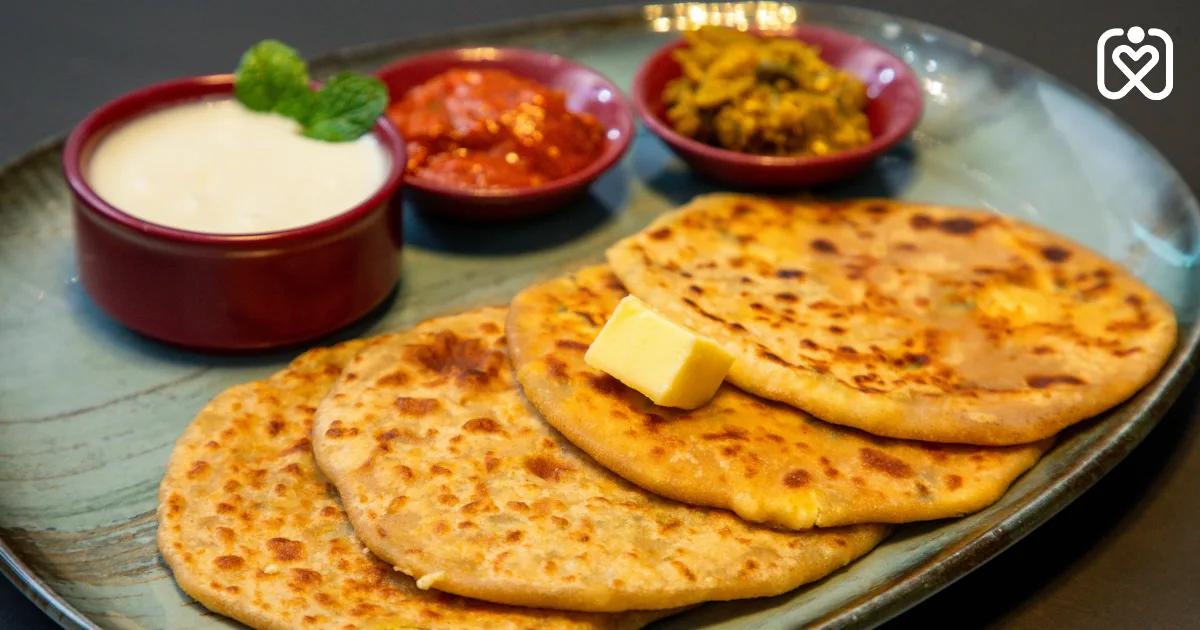
Pickles and chutneys are common accompaniments but often very high in salt.
- Salt is used heavily for preservation
- Even a small spoon can contain significant sodium
- Daily use adds up quickly
- Homemade versions are often saltier than expected
Limiting portion size or choosing low-salt versions can make a noticeable difference.
Papads, Namkeen, and Fried Snacks
These popular snacks are major hidden salt contributors.
- Papads contain salt even before frying or roasting
- Namkeen and mixtures combine salt with unhealthy fats
- Fried snacks increase thirst, leading to more intake
- Regular snacking keeps sodium levels high throughout the day
What feels like light snacking can quietly affect blood pressure over time.
Restaurant and Street Foods
Food eaten outside the home is one of the biggest salt sources.
- Salt is added during cooking and again during serving
- Gravies, curries, and rice dishes often contain extra sodium
- Street foods rely on salt for strong flavor
- Portion sizes are usually larger than needed
Even foods that appear healthy, like vegetable dishes, may contain more salt than expected.
Packaged and Processed Indian Foods
Modern diets include more packaged foods than before.
- Ready-to-eat meals use salt as a preservative
- Instant mixes contain hidden sodium
- Packaged rotis, parathas, and snacks are not salt-free
- Labels may list sodium under different names
Checking nutrition labels can help identify these hidden sources.
Bakery Items and Savory Biscuits
Many people associate bakery items with sugar, not salt.
- Savory biscuits contain added sodium
- Bread and pav may include salt for texture
- Daily consumption adds to total intake
- These foods are often eaten without awareness
Even small daily amounts can matter for people with high blood pressure.
Curd, Buttermilk, and Flavored Dairy Drinks
Dairy itself is healthy, but added salt changes things.
- Salted buttermilk is common in many homes
- Packaged lassi and drinks may contain sodium
- Flavored curd preparations often add salt
- Regular use increases overall intake
Choosing plain versions and controlling added salt is safer for the heart.
Cooking Habits That Increase Salt Intake
Sometimes the problem is not the food but how it is prepared.
- Adding salt early and again at the end
- Using ready-made masala mixes
- Relying on sauces and seasoning powders
- Not tasting food before adding more salt
Being mindful during cooking can significantly reduce daily sodium.
How Much Salt Is Actually Safe?
Health organizations provide clear guidance.
- Most adults should limit salt intake to about 5 grams per day
- This includes all sources, not just table salt
- People with high blood pressure need even stricter control
- Children require much less salt than adults
Most Indian diets exceed these limits without awareness.
Signs You May Be Eating Too Much Salt
Excess salt does not always cause immediate symptoms.
- Frequent bloating or water retention
- Feeling unusually thirsty
- Rising blood pressure readings
- Swelling in hands or feet
If these signs are present, reviewing dietary habits is important.
Simple Ways to Reduce Hidden Salt in Daily Meals
Small changes can protect heart health.
- Taste food before adding salt
- Reduce pickle and papad portions
- Choose fresh foods over packaged ones
- Use herbs, lemon, garlic, and spices for flavor
- Limit eating out to occasional meals
These steps help lower blood pressure naturally over time.
What About Salt Substitutes?
Some people consider alternatives.
- Salt substitutes may help but should be used cautiously
- Certain medical conditions require doctor guidance
- Natural flavoring is usually a safer long-term approach
Always discuss major dietary changes with a healthcare professional.
Who Should Be Extra Careful With Salt Intake
Certain groups are more sensitive to salt.
- People with high blood pressure
- Those with heart or kidney disease
- Older adults
- Individuals with a family history of heart problems
For them, controlling hidden salt is especially important.
FAQs: Hidden Salt in Indian Foods and Blood Pressure
1. Why do Indian foods often contain hidden salt?
Many Indian dishes use pickles, papads, chutneys, sauces, and ready-made masalas, which add salt even if you don’t taste it directly.
2. Can hidden salt really increase blood pressure?
Yes. Regular intake of excess salt makes the body retain water, which increases pressure on blood vessels and raises blood pressure over time.
3. Are homemade Indian foods safer than packaged foods?
Usually yes, because you control the amount of salt. However, adding extra salt, pickles, or chutneys can still raise sodium intake.
4. How can I reduce salt without losing taste?
Use herbs, spices, lemon, garlic, ginger, and roasted spices to enhance flavour instead of adding more salt.
5. Who should be most careful about hidden salt?
People with high blood pressure, heart disease, kidney problems, or a family history of hypertension should be especially cautious.
Conclusion
Hidden salt in Indian foods is a major but often overlooked cause of rising blood pressure. Pickles, snacks, restaurant meals, packaged foods, and even everyday cooking habits can silently push sodium intake beyond safe limits. The good news is that awareness leads to control. By understanding where salt hides and making small, consistent changes, you can protect your heart without giving up the foods you love. Heart health begins not with drastic diets, but with informed daily choices.
Authoritative References
- Times of India - Salt intake with Indian Foods