
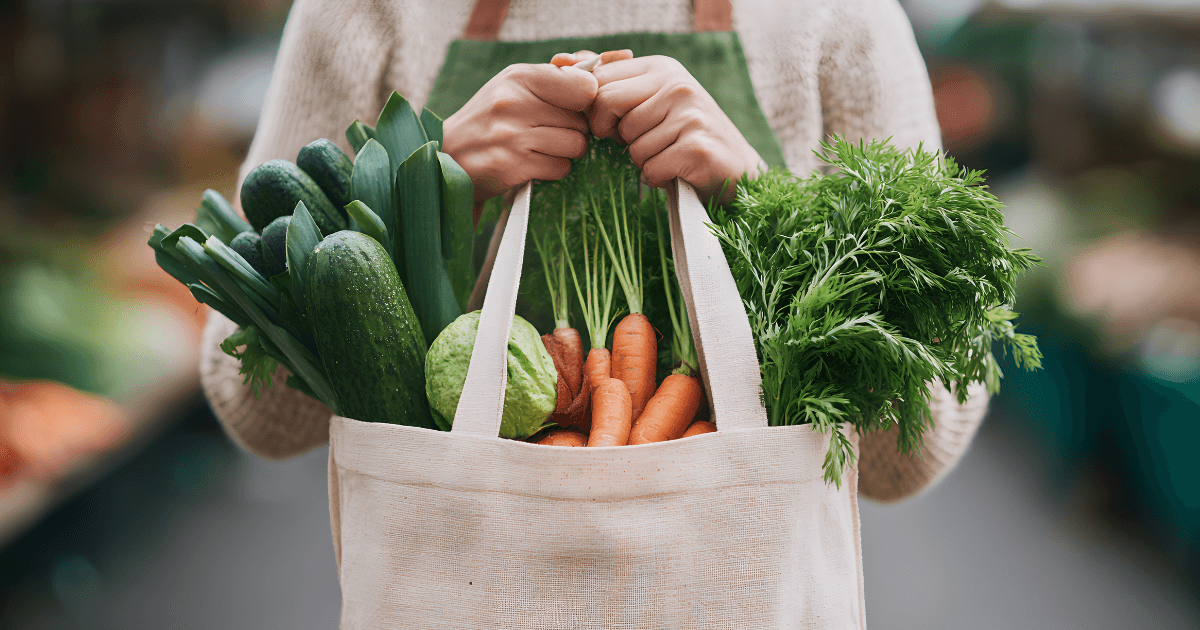


Eating a heart-healthy diet starts at the grocery store. Choosing the right foods can improve cardiovascular health, manage cholesterol and blood pressure, and reduce the risk of heart disease. For beginners, navigating aisles full of options can feel overwhelming, but with some simple guidance, grocery shopping can become an easy, empowering step toward a healthier heart.
This guide breaks down the essentials of heart-healthy shopping, including which foods to choose, what to avoid, and practical tips to make your shopping trips smarter and safer for your heart.
Why Heart-Healthy Grocery Shopping Matters
Your diet directly affects your heart. By choosing heart-healthy foods, you can:
- Reduce LDL (bad) cholesterol and triglycerides
- Lower blood pressure
- Maintain a healthy weight
- Prevent inflammation and plaque buildup in arteries
- Support overall energy and well-being
Grocery shopping is the first step. Filling your cart with nutritious, minimally processed foods makes it easier to prepare meals that support heart health every day.
Essential Heart-Healthy Food Categories
When building your shopping list, focus on these nutrient-rich categories:
1. Fruits and Vegetables
- Provide antioxidants, vitamins, and fiber
- Help lower blood pressure and cholesterol
- Support weight management
Tips:
- Choose a variety of colors to maximize nutrients
- Fresh, frozen, or canned without added sugar or salt are all good options
- Leafy greens like spinach, kale, and broccoli are especially heart-friendly
2. Whole Grains
- Rich in fiber to reduce cholesterol
- Help regulate blood sugar
- Support digestive health
Examples:
- Oats, quinoa, barley, brown rice
- Whole-grain bread, pasta, and cereals
Tip: Look for labels that say “100% whole grain” or “whole wheat” and avoid refined grains.
3. Lean Proteins
- Help build and repair tissues without excessive saturated fat
- Support muscle mass and metabolism
Good Choices:
- Skinless poultry
- Fish (especially fatty fish like salmon, mackerel, or sardines)
- Beans, lentils, and tofu
- Eggs in moderation
4. Healthy Fats
- Improve cholesterol profile and reduce inflammation
- Essential for hormone production and nutrient absorption
Sources:
- Nuts and seeds (almonds, walnuts, chia seeds, flaxseeds)
- Avocados
- Olive oil or canola oil
- Fatty fish
5. Dairy or Dairy Alternatives
- Provide calcium and protein
- Choose low-fat or non-fat options
Options:
- Skim milk, low-fat yogurt, or kefir
- Fortified plant-based alternatives like almond, soy, or oat milk
Foods to Limit or Avoid
To maintain a heart-healthy diet, it’s important to limit certain items:
- Processed and packaged foods: Chips, cookies, frozen meals high in sodium and trans fats
- Red and processed meats: Bacon, sausage, and deli meats high in saturated fat and sodium
- Sugary beverages: Soda, energy drinks, and sweetened juices
- Excessive salt: Aim for less than 2,300 mg of sodium per day
- Excess added sugar: Found in desserts, cereals, and many packaged foods
Tip: Reading nutrition labels can help you avoid hidden sodium, sugar, and unhealthy fats.
Planning Your Heart-Healthy Grocery List
A well-organized grocery list saves time and ensures you stick to your heart-healthy goals. Consider organizing your list by section:
Example Grocery List:
Produce: Spinach, kale, broccoli, carrots, berries, apples, oranges
Grains: Oats, quinoa, whole-grain bread, brown rice
Proteins: Chicken breast, salmon, lentils, black beans, tofu
Dairy/Alternatives: Skim milk, low-fat yogurt, fortified almond milk
Healthy Fats: Olive oil, avocado, walnuts, chia seeds
Snacks: Fresh fruit, nuts, air-popped popcorn
Shopping Tips for a Heart-Healthy Diet
- Stick to the perimeter: Most fresh produce, meat, and dairy are around the store edges; processed foods are often in the center aisles.
- Plan meals in advance: Knowing what you’ll cook reduces impulse purchases.
- Read labels: Look for low sodium, low saturated fat, and minimal added sugar.
- Buy seasonal produce: Fresh fruits and vegetables in season are more nutritious and affordable.
- Frozen is okay: Frozen fruits and vegetables retain nutrients and can reduce waste.
- Avoid shopping hungry: You’re less likely to make unhealthy impulse buys if you’re full.
Meal Prep for Heart Health
Buying the right ingredients is only the first step; preparing meals strategically ensures long-term adherence:
- Batch cook grains and proteins: Makes weekday meals quicker
- Chop vegetables in advance: Saves time and encourages healthy snacks
- Store healthy snacks at eye level: Nuts, fruit, or yogurt are easier to reach than chips
- Use herbs and spices: Reduce salt while enhancing flavor
Frequently Asked Questions (FAQs)
Q1: Can frozen vegetables be as heart-healthy as fresh ones?
Yes, Frozen vegetables are picked at peak ripeness and flash-frozen, which preserves most nutrients.
Q2: Are all fats bad for the heart?
No, Healthy fats like those from nuts, seeds, avocado, and olive oil improve heart health. Limit saturated and trans fats.
Q3: How can I reduce sodium without losing flavor?
Use herbs, spices, lemon juice, and garlic instead of salt to season foods.
Q4: Can I eat heart-healthy on a budget?
Absolutely, Buy seasonal produce, frozen fruits and vegetables, and bulk grains or legumes to save money.
Q5: Do I need to avoid all sugar?
No, Natural sugars from fruit are healthy in moderation. Limit added sugars found in sweets, soda, and packaged foods.
Conclusion
Heart-healthy grocery shopping is the foundation of a heart-healthy diet. By prioritizing fruits, vegetables, whole grains, lean proteins, and healthy fats while limiting processed foods, added sugar, and excessive salt, you can support your cardiovascular system, manage weight, and reduce heart disease risk.
With a clear shopping list, simple meal prep strategies, and awareness of nutritious choices, even beginners can confidently navigate the grocery store and make heart-smart decisions every day.