
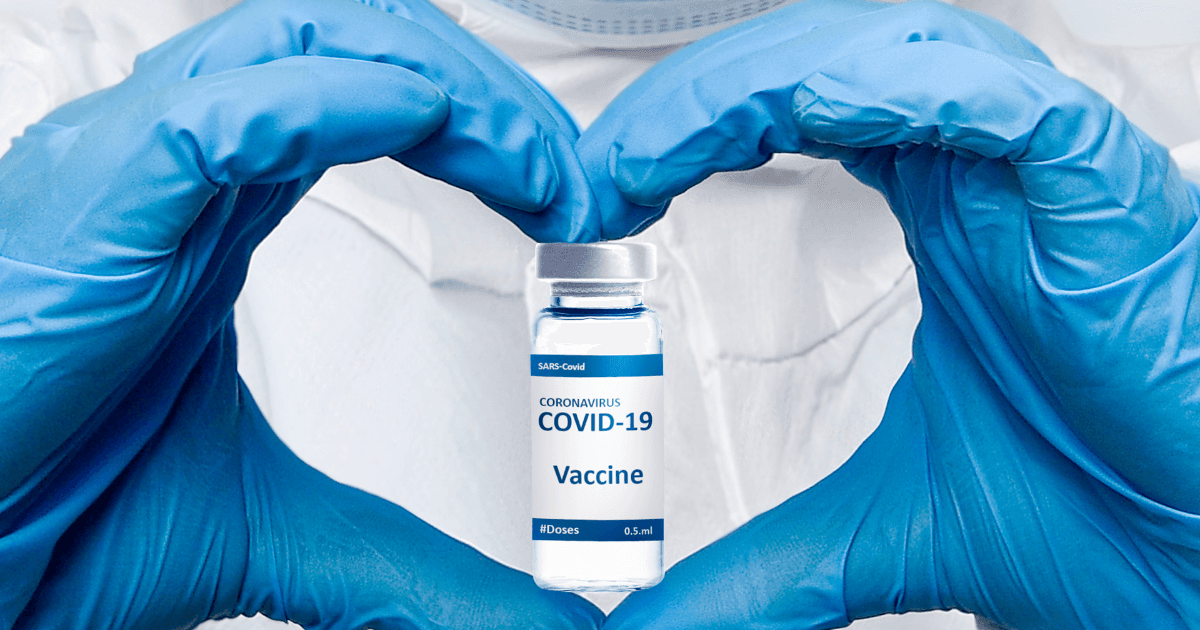


As the world slowly recovers from the COVID-19 pandemic, a new health concern has emerged: post-COVID heart complications. While the virus primarily affects the lungs, growing evidence shows that it can also cause lasting damage to the heart, even in people who had mild or no symptoms during their initial infection.
This blog is a detailed, India-focused guide on what heart issues may arise after COVID-19 recovery, who is at risk, and what steps to take for prevention and treatment.
How COVID-19 Affects the Heart
SARS-CoV-2, the virus that causes COVID-19, can trigger widespread inflammation in the body, which can also affect the cardiovascular system.
Possible Mechanisms:
- Direct viral damage to heart muscle (myocarditis)
- Cytokine storm leading to inflammation and clotting
- Reduced oxygen levels, straining the heart
- Excessive immune response damaging blood vessels
To understand the difference between cardiac emergencies, read Heart Attack vs Cardiac Arrest: Know the Life-Saving Difference.
Common Post-COVID Heart Complications
Many patients experience symptoms and syndromes weeks or even months after recovery.
Notable Complications:
- Myocarditis: Inflammation of the heart muscle
- Pericarditis: Inflammation of the heart’s outer lining
- Arrhythmias: Irregular heartbeats, sometimes requiring monitoring
- Thrombosis: Clots that may lead to stroke or heart attack
- Heart failure: When the heart can't pump effectively
Explore Pacemakers: What They Do and Who Needs One to understand interventions for rhythm disorders.
Symptoms to Watch For
If you've recovered from COVID-19 but feel something isn't right, pay attention to signs that could indicate heart complications.
Red Flags:
- Persistent chest pain or pressure
- Unexplained fatigue and breathlessness
- Palpitations or skipped heartbeats
- Dizziness or fainting spells
- Swelling in legs or abdomen
Visit When to See a Cardiologist: Red Flags You Shouldn’t Miss for a more in-depth look.
Who Is at Higher Risk?
Not everyone who gets COVID-19 will experience heart complications, but certain groups are more vulnerable.
High-Risk Categories:
- Individuals with pre-existing heart disease or diabetes
- Older adults (age 60 and above)
- Those with obesity or high blood pressure
- People who had severe COVID-19 symptoms or hospitalization
Check out Diabetes and Heart Problems: A Silent Threat for overlapping risks.
How to Diagnose Post-COVID Heart Issues
Early diagnosis is critical for proper management. Your doctor may recommend:
Diagnostic Tools:
- Electrocardiogram (ECG): Measures electrical activity of the heart
- Echocardiogram: Checks the heart's pumping ability
- Blood tests: Look for markers of inflammation or damage (troponin, CRP)
- Cardiac MRI: Identifies inflammation or scarring
- Stress tests: Evaluate how the heart performs under exertion
For an overview of diagnostic tests, read What Is a Cardiac Stress Test? Patient Guide & FAQs.
Treatment and Management Options
Treatment varies depending on the type and severity of complications.
Management Plans May Include:
- Anti-inflammatory medications
- Beta-blockers or ACE inhibitors
- Anticoagulants (blood thinners)
- Lifestyle modifications (diet, stress management)
- Rehabilitation programs under supervision
Diet changes matter. Read Best Foods for a Healthy Heart: Doctor-Recommended Diet Plan to support recovery.
Lifestyle Tips for Recovery and Prevention
Strengthening your heart after COVID-19 requires intentional daily habits.
Heart-Friendly Habits:
- Stay hydrated and avoid excessive caffeine
- Eat low-sodium, heart-smart meals
- Avoid smoking and alcohol
- Walk or exercise moderately, as advised by your doctor
- Monitor blood pressure and pulse regularly
Learn more in Hydration and Heart Health: More Important Than You Think.
When to Seek Immediate Medical Help
Sometimes, post-COVID heart complications can escalate quickly.
Emergency Symptoms:
- Sudden chest pain radiating to the arm or jaw
- Shortness of breath at rest
- Rapid or irregular heartbeat
- Fainting or near-fainting
- Cold sweats and nausea
Don’t delay. Quick action saves lives.
Government Guidelines and Health Advisory
The Ministry of Health & Family Welfare India advises monitoring high-risk groups and continuing follow-up care after COVID-19 recovery.
Recommendations:
- Regular check-ups for seniors and people with comorbidities
- Early referral to cardiology for symptoms
- Public awareness of long-COVID risks
Final Thoughts: Don't Ignore the Warning Signs
Heart complications after COVID-19 are becoming increasingly recognized, yet many patients dismiss their symptoms or delay care. Awareness, early diagnosis, and lifestyle management can make a life-changing difference.
If you've had COVID-19 and experience any persistent health issues, especially related to your heart, consult a cardiologist without delay.
Authoritative External References: