
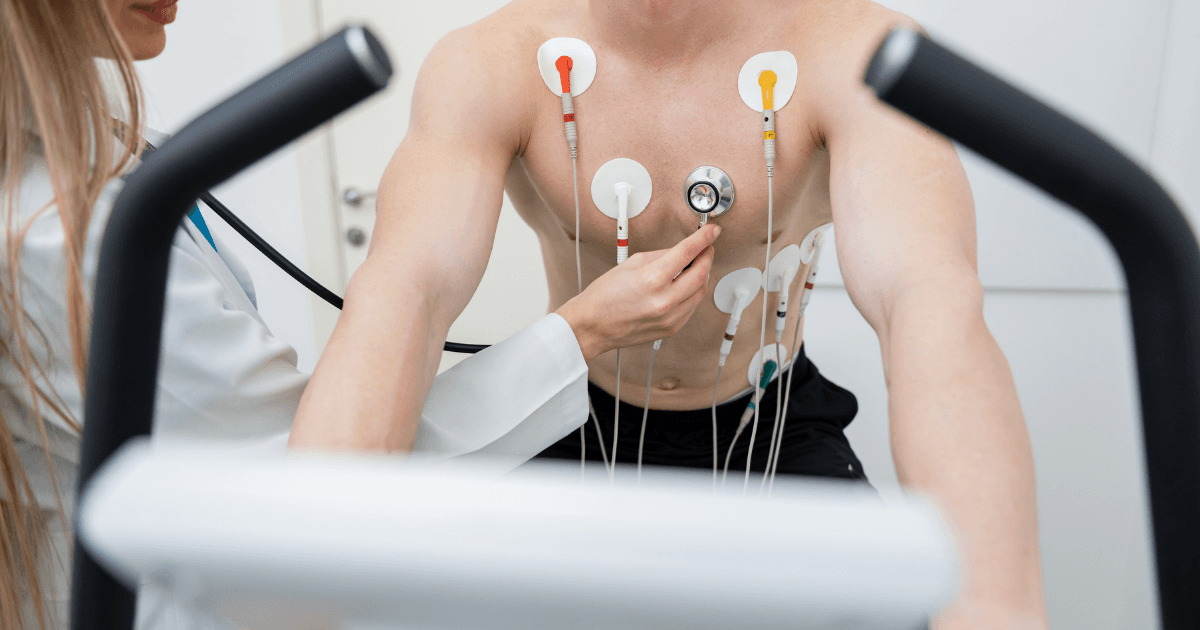


Our heart works relentlessly, adapting to various demands placed on the body. One of the most significant challenges it faces is physical stress whether from exercise, heavy labor, or sudden exertion. Understanding how the heart responds to these stresses is essential for maintaining cardiovascular health and preventing complications. This blog provides a detailed, humanized explanation of the heart’s physiological adaptations under physical stress.
What is Physical Stress?
Physical stress refers to the strain placed on the body and its organs, particularly the heart, due to increased activity or exertion. It is different from emotional or psychological stress, though both can impact heart health.
Key points:
- Triggered by activities such as running, weightlifting, or manual labor.
- Increases the demand for oxygen and nutrients in muscles and organs.
- Leads to short-term and long-term adaptations in the cardiovascular system.
How the Heart Adapts to Physical Stress
The heart employs several mechanisms to meet the increased demand during physical stress:
- Increased Heart Rate: The heart beats faster to pump more blood and deliver oxygen to muscles.
- Enhanced Stroke Volume: Each heartbeat pumps a larger volume of blood to sustain energy requirements.
- Vasodilation: Blood vessels widen to improve blood flow to working muscles.
- Hormonal Response: Adrenaline and other stress hormones help mobilize energy sources and maintain blood pressure.
Immediate vs. Long-Term Effects
The heart responds differently depending on whether physical stress is acute or chronic:
Immediate Responses
- Quick increase in heart rate and blood pressure.
- Short-term strengthening of heart contractions.
- Temporary increase in breathing rate to supply oxygen.
Long-Term Adaptations
- Cardiac remodeling: Heart muscles, especially the left ventricle, may thicken slightly to improve pumping efficiency.
- Improved cardiovascular fitness: Reduced resting heart rate over time.
- Enhanced oxygen delivery: Increased capillary density in muscles supports better endurance.
Physical Stress and Common Heart Symptoms
While healthy hearts adapt effectively, excessive or unmanaged physical stress can trigger symptoms, especially in individuals with underlying conditions.
Potential symptoms include:
- Shortness of breath or rapid breathing.
- Palpitations or irregular heartbeat.
- Chest tightness or mild pain during exertion.
- Dizziness or lightheadedness after intense activity.
Physiological Mechanisms Behind Heart Response
Several systems in the body coordinate to handle physical stress efficiently:
- Autonomic Nervous System (ANS): Balances sympathetic (fight-or-flight) and parasympathetic (rest-and-digest) responses.
- Renin-Angiotensin System: Regulates blood pressure and fluid balance.
- Metabolic Adjustments: Muscle cells increase glucose and oxygen uptake for energy production.
Bullet Points: Key Physiological Insights
- Sympathetic activation raises heart rate and contractility.
- Parasympathetic withdrawal allows rapid adjustment during exertion.
- Hormones like norepinephrine and epinephrine optimize circulation and energy use.
- Long-term training enhances efficiency and reduces cardiac strain.
Who is at Risk During Physical Stress?
While most healthy adults tolerate physical stress well, certain groups are more vulnerable:
- Individuals with pre-existing heart conditions such as hypertension or coronary artery disease.
- Older adults whose cardiovascular system may respond less efficiently.
- People with movement disorders or neurological conditions affecting coordination and balance.
- Those with poorly controlled metabolic conditions like diabetes.
Tips to Support Heart Health During Physical Stress
Maintaining heart function under stress involves a combination of lifestyle adjustments and monitoring:
- Warm-Up and Cool-Down: Gradually prepare the heart for exertion and recovery.
- Hydration: Maintain fluid balance to support blood volume and heart output.
- Balanced Nutrition: Provide sufficient energy and electrolytes.
- Monitor Heart Rate: Use wearable devices to avoid overexertion.
- Regular Check-Ups: Early detection of abnormalities prevents complications.
When to Seek Medical Attention
Consult a doctor if you experience any of the following during or after physical activity:
- Persistent chest pain or pressure.
- Severe shortness of breath or fainting.
- Rapid or irregular heartbeat that doesn’t normalize.
- Swelling in the legs, ankles, or abdomen.
Conclusion
The heart is remarkably adaptable, capable of responding efficiently to physical stress through changes in rate, strength, and blood flow. Understanding these responses helps individuals engage in safe exercise, recognize warning signs, and maintain long-term cardiovascular health.
By combining physiological insights with practical tips and awareness of high-risk groups, you can support your heart in thriving under physical demands while minimizing risk. Remember, even a healthy heart benefits from moderation, monitoring, and mindful activity.
Authoritative References
- American Heart Association - Physical Stress
- Yale Medicine - How stress affects the Heart
- Hokins Medicine - Physical Stress