
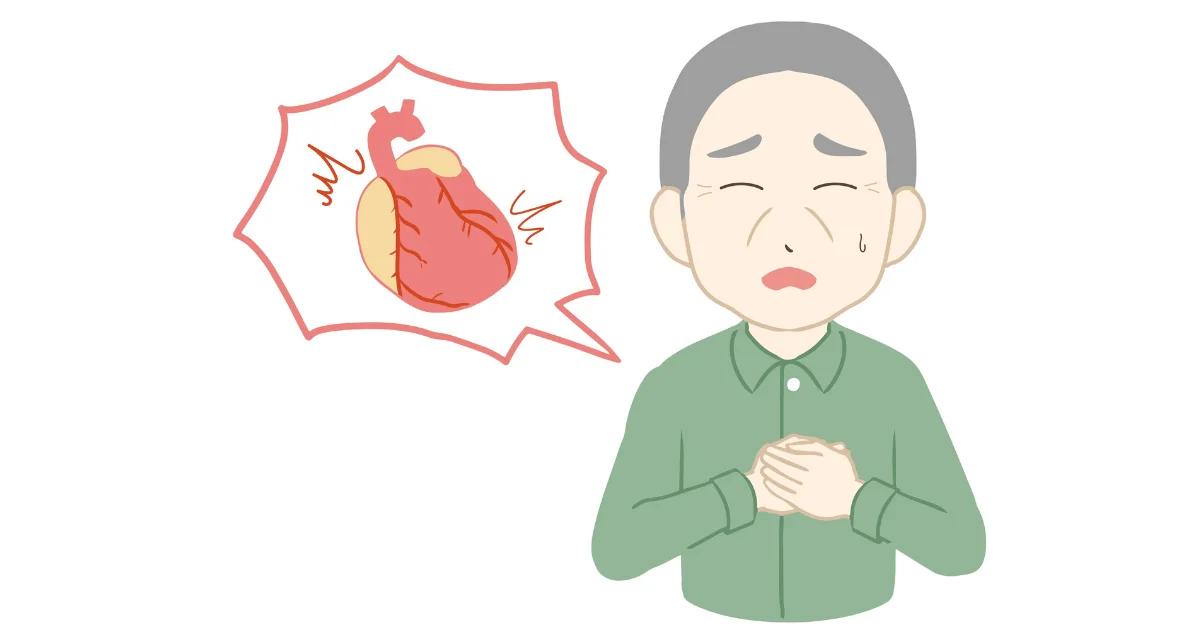


Heart health is something most people think about only when major symptoms appear chest pain, breathlessness, or a heart attack. But the real danger often begins much earlier and progresses quietly. Weak heart muscles develop slowly and silently, affecting the heart’s ability to pump blood efficiently. Many people continue daily routines without realising that their heart is under strain. By the time noticeable symptoms appear, the condition may already be advanced.
The good news? Early awareness can save lives. Recognizing the subtle signs and taking timely action can prevent complications and help protect your heart for the long term.
What Do Weak Heart Muscles Mean?
When heart muscles lose strength, the heart has difficulty pumping blood. Over time, this affects oxygen supply to the body, leading to fatigue, swelling, and other symptoms. Several factors can weaken the heart muscles, including:
- Long-term high blood pressure
- Viral infections
- Uncontrolled diabetes
- Lifestyle factors like smoking, poor diet, and inactivity
- Genetic conditions
- Overuse of alcohol
Even though anyone can develop weak heart functioning, early warning signs are often ignored because they appear mild or unrelated.
Early Warning Signs You Should Never Ignore
Below are the most common “silent” symptoms. If you notice any of these repeatedly, it’s important to get checked early.
1. Constant Fatigue and Low Energy
Feeling tired occasionally is normal, but feeling exhausted all the time even with enough sleep is not.
Why it happens
When heart muscles weaken, the heart pumps less blood. That means less oxygen for your body, leading to:
- Slow energy levels
- Difficulty doing normal tasks
- Needing frequent breaks
- Feeling tired even after small activities
When to worry
- You get tired faster than usual.
- Climbing stairs or walking short distances drains your energy.
- You feel sleepy or sluggish most of the day.
2. Shortness of Breath (Even When Resting)
Breathlessness is one of the most overlooked early signs.
Why it happens
Weak pumping action leads to fluid buildup in the lungs, making it harder to breathe.
You may notice it:
- While lying flat
- After minimal activity
- During sleep, waking up gasping
- While bending down
If breathlessness becomes frequent, it signals that the heart is struggling to push blood efficiently.
3. Swelling in Legs, Ankles, or Feet
Fluid retention may look harmless, but it indicates poor circulation.
Why it happens
Weak heart muscles slow down blood flow, causing fluid to collect in the lower parts of the body.
Common symptoms include:
- Shoes feeling tighter
- Imprints on the skin when pressed
- Puffy legs at night
- Swelling worsening through the day
If swelling happens regularly, it should not be ignored.
4. Rapid or Irregular Heartbeat
A healthy heart beats steadily. When muscles weaken, the heart tries to compensate by beating faster or irregularly.
You may experience:
- Fluttering sensations
- “Skipping a beat” feelings
- Racing heartbeat at rest
- Sudden thuds in the chest
These changes often go unnoticed until they become frequent.
5. Dizziness or Light-headedness
A weak heart may not pump enough blood to the brain, causing:
- Feeling faint
- Head spinning
- Sudden weakness
- Near-fainting episodes
These symptoms must be taken seriously, especially if they happen repeatedly.
6. Difficulty Sleeping
Weak heart muscles often cause breathing problems during sleep.
You may notice:
- Waking up suddenly gasping for air
- Needing extra pillows to sleep comfortably
- Restlessness at night
Disturbed sleep is an early sign that the body is struggling with oxygen levels.
7. Unexplained Coughing or Wheezing
Not all coughing is due to allergies or infections.
Why it happens
Fluid buildup in the lungs due to reduced heart function causes:
- Persistent dry cough
- Nighttime coughing
- Wheezing sounds
- Chest tightness
If cough doesn’t go away with usual treatment, heart health should be checked.
8. Reduced Exercise Tolerance
If activities you once handled easily now feel difficult, this may be an early sign.
You may notice:
- Getting tired quickly during workouts
- Needing longer rest breaks
- Feeling breathless with basic activities
- Avoiding exercise unintentionally
This change happens gradually, making it easy to miss.
9. Chest Discomfort (Not Always Pain)
Many people believe heart problems only present as sharp chest pain. But signs can be subtle.
Possible sensations include:
- Pressure
- Tightness
- Heaviness
- Burning sensation
- Mild discomfort that comes and goes
Chest symptoms should always be evaluated.
What Causes Heart Muscles to Become Weak?
Understanding the root causes helps reduce future risk. Key contributors include:
1. High Blood Pressure
Constant pressure strains the heart over time, weakening muscle walls.
2. Uncontrolled Diabetes
High sugar levels stiffen blood vessels and reduce heart muscle efficiency.
3. Viral or Post-Infection Damage
Some infections leave lasting inflammation affecting heart strength.
4. Unhealthy Lifestyle Factors
Such as:
- Smoking
- Excess alcohol
- High-salt diet
- Lack of physical activity
These habits increase long-term damage.
5. Family History
Genetics play a strong role in many muscle-related heart issues.
6. Emotional Stress
Chronic stress releases hormones that weaken heart function over time.
Who Is at Higher Risk?
People with the following conditions must watch for silent symptoms:
- High cholesterol
- Thyroid disorders
- Sleep apnea
- Sedentary lifestyle
- Obesity
- Previous heart infections
Children with congenital conditions may also develop weak heart functioning over time.
How Doctors Diagnose Weak Heart Muscles
If you notice multiple silent signs, timely evaluation is essential. Doctors may use:
1. ECG: Checks electrical activity of the heart.
2. Echocardiogram: Shows heart muscle movement and pumping strength.
3. Blood Tests: Detect inflammation or heart strain markers.
4. Chest X-ray: Identifies fluid buildup in lungs.
5. Stress Test: Reveals how the heart works during activity.
Diagnosis is simple and painless but extremely important for long-term health.
What You Can Do to Strengthen Your Heart Muscles
Once early signs are identified, lifestyle changes can make a big difference.
1. Eat Heart-Friendly Foods
Include:
- Fresh vegetables
- Whole grains
- Nuts and seeds
- Lean proteins
- Low-salt meals
- Heart-healthy oils
Reduce packaged snacks, sugary drinks, and deep-fried items.
For more helpful food guidance, you can also read: 5 common fruit juice daily to improve heart health
2. Stay Physically Active
Moderate daily activity improves heart muscle function.
Good options:
- Brisk walking
- Yoga
- Cycling
- Swimming
Start slow and build stamina.
3. Manage Stress Effectively
Chronic stress affects blood pressure and heart rhythm.
Try:
- Deep breathing
- Meditation
- Outdoor hobbies
- Balanced routines
4. Maintain a Healthy Weight
Extra body weight increases pressure on the heart.
Sri options include:
- Mindful eating
- Smaller portions
- Reducing late-night meals
5. Take Medicines Regularly (If Prescribed)
Many people stop medicines once symptoms reduce, which can worsen the condition. Follow your doctor’s schedule consistently.
6. Limit Alcohol and Avoid Smoking
These habits are known to weaken heart function over time. Cutting down brings quick improvements.
7. Ensure Proper Sleep
Quality sleep helps the heart recover.
Maintain:
- Regular sleep schedule
- Early dinner
- Calm bedtime routine
When Should You Seek Medical Help?
Visit a doctor immediately if you notice:
- Sudden breathlessness
- Unexplained chest pressure
- Rapid heartbeat
- Swelling in the body
- Severe fatigue
Early treatment prevents complications and improves long-term outcomes.
Conclusion
Weak heart muscles often remain unnoticed because their symptoms appear slowly and seem harmless at first. But the heart sends warning signals long before major complications arise. Recognizing these early signs fatigue, breathlessness, swelling, irregular heartbeat, and sleep issues can help prevent severe heart conditions in the future.
A heart-healthy lifestyle, early diagnosis, and timely treatment can reverse or manage the problem effectively. Listen to your body, don’t dismiss silent signals, and take proactive steps to protect your heart. Your long-term health depends on the choices you make today.
Authoritative References
- Very Well Health - Weak Heart Muscles
- Mayo Clinic - Warning Signs
- Cleveland Clinic - Causes of Heart Muscles
- American Heart Association - Weak Heart Muscles