
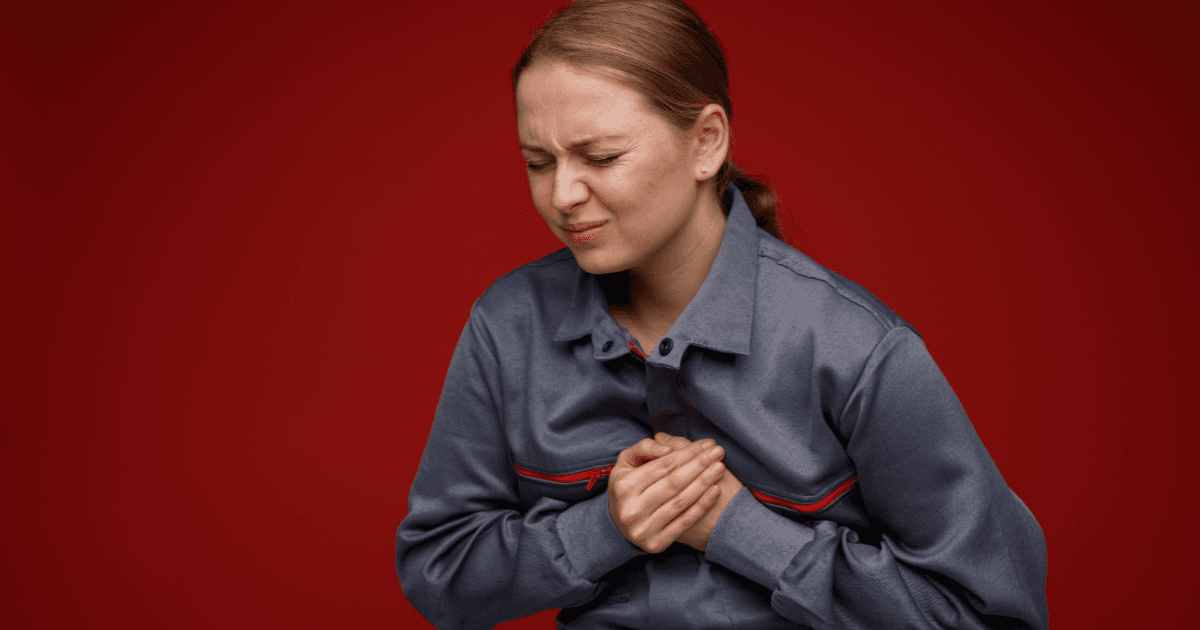


Your heart is one of the most vital organs in your body beating over 100,000 times a day and pumping blood to every cell. Yet, many people overlook subtle warnings it gives when something isn’t right. Most heart problems don’t appear suddenly. Instead, they start with small, often ignored signs that gradually worsen over time.
Recognizing the early signs your heart might be in trouble can make the difference between a manageable condition and a medical emergency. The sooner you notice and respond to these signals, the better your chances of preventing severe complications like heart attacks, heart failure, or stroke.
In this guide, we’ll break down the common warning signs, what they mean, and what steps you should take if you notice them.
Why Early Detection Matters
Heart disease remains the leading cause of death globally, but the good news is that it’s largely preventable. Most serious cardiac events occur only after years of unnoticed damage, often caused by factors like high blood pressure, cholesterol, smoking, or stress.
Catching warning signs early can:
- Help diagnose and treat conditions before they become life-threatening.
- Reduce your risk of heart attacks and complications.
- Allow lifestyle changes to reverse or slow disease progression.
- Improve quality of life and overall longevity.
Early Warning Signs Your Heart Might Be in Trouble
The heart doesn’t always scream for attention. Sometimes, it whispers with subtle signals that can be easy to miss or misinterpret. Here’s what to watch for:
1. Unexplained Chest Discomfort
Chest pain or pressure is one of the most common and serious signs of heart trouble. However, it doesn’t always feel like the “classic” sharp pain we see in movies.
It may feel like:
- Tightness, pressure, or heaviness in the chest
- Burning sensation (often mistaken for indigestion)
- Discomfort spreading to the neck, jaw, arms, or back
What it means: This could indicate angina (reduced blood flow to the heart) or a sign of an impending heart attack. If chest pain occurs with activity and improves with rest, it’s a red flag.
2. Shortness of Breath, Even at Rest
Do you find yourself out of breath climbing stairs, or even while lying down? This isn’t always just aging or being out of shape.
Possible causes include:
- Heart failure: When your heart can’t pump blood efficiently
- Coronary artery disease: Narrow arteries restrict oxygen supply
- Valve disease: Impaired blood flow through the heart
When to worry: If breathlessness comes on suddenly, occurs with minimal effort, or worsens over time, it’s time to see a doctor.
3. Persistent Fatigue and Weakness
Feeling tired after a long day is normal. But extreme or ongoing fatigue, especially if it interferes with daily activities could signal that your heart is struggling.
Look out for:
- Feeling exhausted after light physical activity
- Needing frequent naps despite adequate sleep
- Difficulty concentrating or staying awake
What it means: A weak heart may not pump enough blood to meet your body’s needs, causing low energy and reduced stamina.
4. Swelling in Legs, Ankles, or Feet
Fluid retention, known as edema, is another subtle sign your heart may not be functioning properly. When the heart can’t pump blood efficiently, fluid can accumulate in tissues.
You might notice:
- Puffy ankles or tight shoes by the end of the day
- Indentations on the skin when you press your legs
- Rapid weight gain due to fluid buildup
Possible causes: Congestive heart failure or poor circulation.
5. Irregular Heartbeat or Palpitations
Your heart should beat with a steady, regular rhythm. If you experience:
- Fluttering, pounding, or skipped beats
- Rapid heartbeat (tachycardia) or slow pulse (bradycardia)
- Dizziness or fainting spells
…it could indicate an arrhythmia an abnormal heart rhythm.
When to seek help: Occasional skipped beats are common, but frequent or persistent palpitations require medical attention.
6. Dizziness, Lightheadedness, or Fainting
If your heart isn’t pumping enough blood to the brain, you may feel:
- Sudden dizziness when standing
- Frequent lightheadedness or fainting
- Blurred vision or confusion
Possible causes: Arrhythmias, heart valve problems, or low blood pressure linked to heart disease.
7. Persistent Cough or Wheezing
While often linked to respiratory issues, a chronic cough, especially if it produces pink, frothy mucus could signal heart failure.
Other signs include:
- Difficulty breathing while lying down
- Wheezing that worsens at night
- Swelling alongside a cough
What it means: Fluid buildup in the lungs due to a failing heart.
When to See a Doctor Immediately
Not all heart warning signs are dramatic, but some require urgent medical care. Call emergency services if you experience:
- Severe chest pain lasting more than 5 minutes
- Chest pain with sweating, nausea, or vomiting
- Sudden shortness of breath or fainting
- Rapid or irregular heartbeat with dizziness
Delaying treatment during a heart event can mean the difference between life and death.
What to Do If You Notice Warning Signs
Recognizing the signs is only the first step - acting quickly is what saves lives. Here’s what you should do:
1. Don’t Ignore or Downplay Symptoms
Many people dismiss warning signs as “just stress” or “getting older.” Don’t make that mistake. If something feels off, it’s worth checking.
2. Schedule a Heart Check-Up
Visit a cardiologist for a thorough evaluation. They may recommend:
- ECG (Electrocardiogram): Checks electrical activity of the heart
- Echocardiogram: Ultrasound to assess structure and function
- Stress Test: Measures heart performance during exertion
- Blood Tests: Checks cholesterol, inflammation, and heart enzymes
3. Make Immediate Lifestyle Changes
While waiting for your appointment, adopt heart-friendly habits:
- Eat a diet rich in fruits, vegetables, and whole grains
- Quit smoking and limit alcohol
- Maintain a healthy weight
- Exercise regularly (with your doctor’s approval)
- Manage stress through meditation, yoga, or deep breathing
4. Know Emergency Response Steps
If you suspect a heart attack:
- Call emergency services immediately.
- Sit down and remain calm.
- If advised by a doctor, chew an aspirin (unless allergic).
- Do not attempt to drive yourself to the hospital.
Risk Factors That Increase Your Chances of Heart Trouble
Understanding your risk level helps you stay proactive. Common risk factors include:
- High blood pressure (hypertension)
- High cholesterol levels
- Diabetes
- Smoking
- Sedentary lifestyle
- Obesity
- Family history of heart disease
- Chronic stress
The more risk factors you have, the more vigilant you should be about heart health screenings.
Prevention: The Best Medicine for Your Heart
Heart disease is not inevitable. With the right steps, you can prevent or reverse many heart conditions before they become serious.
Here’s how:
- Eat a balanced, low-sodium, heart-healthy diet
- Stay active - aim for 30 minutes of exercise most days
- Monitor and control blood pressure and cholesterol
- Limit sugar and processed foods
- Manage stress and prioritize sleep
- Get regular check-ups, especially after age 40
FAQs: Heart Trouble Signs & Next Steps
Q1. Are all chest pains related to heart problems?
No, but it’s safer to assume they might be. Always seek medical evaluation, especially if the pain is persistent or radiates to other areas.
Q2. Can heart problems occur without chest pain?
Yes. Especially in women, diabetes patients, and older adults, heart issues often show up as fatigue, nausea, or breathlessness instead of chest pain.
Q3. How often should I get my heart checked?
If you’re over 40 or have risk factors, aim for an annual check-up. If symptoms appear, don’t wait and visit a doctor immediately.
Q4. Can lifestyle changes reverse early heart disease?
In many cases, yes. Diet, exercise, stress control, and medication can significantly improve heart health and even reverse some damage.
Q5. What should I do during a suspected heart attack?
Call emergency services, remain calm, and follow medical instructions. Early treatment greatly improves survival chances.
Final Thoughts
Your heart rarely fails without warning - it almost always signals distress before a crisis. The key is to listen to those signals and act before it’s too late. Whether it’s unexplained fatigue, swelling, or irregular heartbeat, none of these signs should be ignored.
By staying aware of the signs your heart might be in trouble and responding promptly, you’re not just protecting your heart - you’re safeguarding your life. Regular check-ups, a healthy lifestyle, and quick medical attention are your best defenses against heart disease.