
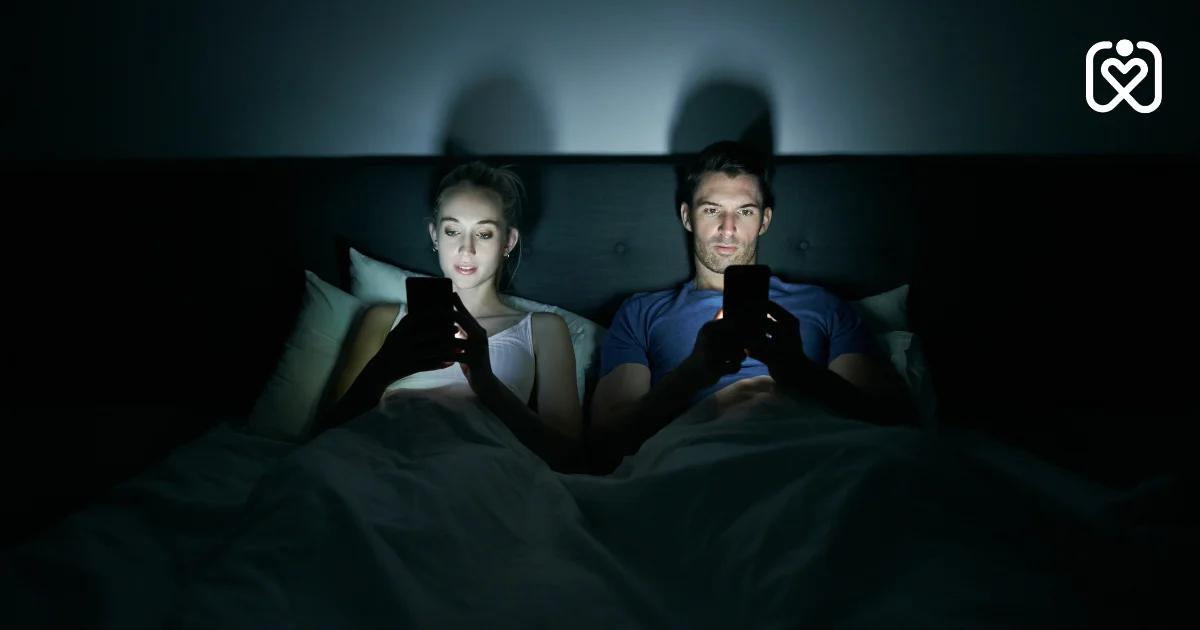


Most of us have done it. We tell ourselves we'll check just one more message, watch one more video, or spend a few minutes on social media before sleeping. Before we know it, midnight has passed, and we're still staring at a screen.
While this habit may seem harmless, growing research suggests that late-night screen use can affect more than just sleep quality. It may also have consequences for heart health. Poor sleep, increased stress hormones, disrupted body rhythms, and unhealthy lifestyle patterns are all linked to a higher risk of cardiovascular problems.
If bedtime scrolling has become part of your nightly routine, it's worth understanding how it could be affecting your heart in ways you may not realize.
Why Sleep Matters for Heart Health
Sleep is not simply a time when the body shuts down. It is an active recovery period during which the heart, blood vessels, brain, and hormones undergo important repair processes.
Healthy sleep helps:
- Maintain normal blood pressure
- Regulate blood sugar levels
- Support healthy heart rhythms
- Reduce inflammation
- Allow the body to recover from daily stress
When sleep is shortened or disrupted regularly, the risk of developing cardiovascular disease increases over time.
The Centers for Disease Control and Prevention (CDC) identifies insufficient sleep as a factor linked to several chronic health conditions, including heart disease.
How Bedtime Screen Use Disrupts Sleep
Electronic devices emit blue light, which can interfere with the body's natural sleep-wake cycle.
Normally, the brain produces a hormone called melatonin in the evening, helping you feel sleepy.
However, exposure to screens before bed may:
- Delay melatonin production
- Make it harder to fall asleep
- Reduce total sleep time
- Increase nighttime awakenings
- Lower overall sleep quality
Even if you eventually fall asleep, the quality of that sleep may not be as restorative as it should be.
The Connection Between Poor Sleep and Heart Disease
When bedtime screen habits repeatedly shorten sleep duration, several changes can occur within the body.
These include:
Increased Blood Pressure
During healthy sleep, blood pressure naturally falls.
When sleep is disrupted:
- Blood pressure may remain elevated
- The heart works harder than it should
- Long-term cardiovascular strain increases
Higher Stress Hormones
Lack of sleep can increase:
- Cortisol levels
- Adrenaline production
These hormones may contribute to:
- Faster heart rate
- Elevated blood pressure
- Increased cardiovascular stress
Greater Inflammation
Research shows that poor sleep can trigger inflammatory responses in the body.
Chronic inflammation has been associated with:
- Artery damage
- Plaque buildup
- Higher cardiovascular risk
You may also read our blog on How Chronic Inflammation Damages the Heart.
Does Scrolling Increase Stress Before Bed?
Not all screen content is relaxing.
Many people use social media, news apps, or work-related platforms before sleeping.
This can expose them to:
- Negative news
- Emotional content
- Workplace stress
- Social comparison
- Online conflicts
These experiences may keep the brain alert when it should be preparing for rest.
As a result:
- Falling asleep becomes more difficult
- Stress levels remain elevated
- Heart rate may stay higher than normal
The combination of mental stimulation and sleep disruption creates an unhealthy cycle.
Can Late-Night Screen Use Affect Heart Rhythm?
Indirectly, yes.
Sleep deprivation has been associated with an increased risk of abnormal heart rhythms.
Poor sleep may contribute to:
- Heart palpitations
- Irregular heartbeat
- Increased cardiovascular strain
Individuals who already have heart rhythm disorders may notice symptoms becoming worse when they are consistently sleep deprived.
You may also explore our article on Can Electrolyte Imbalance Trigger Heart Problems?, as sleep deprivation and dehydration can sometimes contribute to rhythm disturbances.
The Link Between Screen Time and Weight Gain
Another hidden concern is how bedtime screen habits influence body weight.
People who stay awake longer often:
- Snack late at night
- Consume more calories
- Exercise less due to fatigue
- Make poorer food choices
Over time, weight gain increases the risk of:
- High blood pressure
- Diabetes
- High cholesterol
- Coronary artery disease
These conditions are among the leading contributors to heart disease worldwide.
How Screen Use Can Affect Blood Sugar Levels
Poor sleep doesn't just affect energy levels, it also affects metabolism.
Research suggests that insufficient sleep may:
- Reduce insulin sensitivity
- Increase hunger hormones
- Make blood sugar control more difficult
This is especially important for people with:
- Prediabetes
- Diabetes
- Obesity
Because diabetes significantly increases cardiovascular risk, protecting sleep quality becomes an important part of heart health management.
Are Young Adults at Risk Too?
Many people assume sleep-related heart risks only affect older adults.
However, younger individuals are increasingly affected by:
- Excessive smartphone use
- Social media dependency
- Irregular sleep schedules
- Chronic sleep deprivation
Studies have found that poor sleep habits in early adulthood may contribute to future cardiovascular problems.
The effects may not appear immediately, but years of inadequate sleep can gradually impact heart health.
Warning Signs Your Bedtime Screen Habit May Be Affecting Your Health
You may need to reassess your nighttime routine if you regularly experience:
- Difficulty falling asleep
- Feeling tired despite sleeping
- Morning headaches
- Daytime fatigue
- Increased stress
- Irritability
- Heart palpitations
- Difficulty concentrating
These symptoms may indicate that your sleep quality is being compromised.
Simple Ways to Reduce the Risk
You don't need to eliminate technology completely.
Instead, focus on creating healthier habits.
Establish a Screen Curfew
Try stopping screen use:
- 30 to 60 minutes before bedtime
This allows the brain to prepare naturally for sleep.
Use Night Mode Settings
- Many devices offer blue-light reduction features that may help reduce sleep disruption.
Keep Phones Away From the Bed
- Avoid sleeping with your device within reach.
- This reduces the temptation to check notifications during the night.
Create a Relaxing Bedtime Routine
Instead of using screens, consider:
- Reading a book
- Gentle stretching
- Deep breathing exercises
- Listening to calming music
Maintain a Consistent Sleep Schedule
- Going to bed and waking up at the same time each day helps regulate the body's internal clock.
What If You Need Screens for Work?
Many people work late hours or have unavoidable evening screen exposure.
If this applies to you:
- Reduce brightness settings
- Take regular breaks
- Use blue-light filtering tools
- Avoid emotionally stimulating content after work
- Prioritize sufficient sleep duration
Small adjustments can still make a meaningful difference.
When Should You Speak to a Doctor?
Consider seeking medical advice if:
- Sleep problems persist for several weeks
- You experience frequent palpitations
- Excessive daytime fatigue affects daily life
- You have high blood pressure that is difficult to control
- You suspect sleep apnea
Persistent sleep issues should never be ignored, particularly if cardiovascular risk factors are already present.
Conclusion
The occasional late-night scroll is unlikely to cause immediate harm. However, when bedtime screen use becomes a nightly habit, it can disrupt sleep, increase stress levels, affect blood pressure, and contribute to several factors associated with heart disease.
The relationship between sleep and heart health is stronger than many people realize. Protecting your sleep may be one of the simplest ways to support long-term cardiovascular wellness.
If you often find yourself scrolling long after bedtime, consider it an opportunity to make a small lifestyle change that could benefit both your sleep and your heart for years to come.
FAQs
1. Can bedtime screen use affect heart health?
Yes. Poor sleep caused by late-night screen use may contribute to high blood pressure, stress, and cardiovascular risk.
2. How long before bed should I stop using screens?
Experts generally recommend avoiding screens at least 30-60 minutes before bedtime.
3. Can poor sleep cause heart palpitations?
Yes. Sleep deprivation may increase the likelihood of palpitations and irregular heart rhythms.
4. Does blue light affect sleep?
Yes. Blue light can delay melatonin production, making it harder to fall asleep.
5. Are young adults affected by late-night screen use?
Absolutely. Consistent sleep disruption in younger adults can impact long-term heart health.