
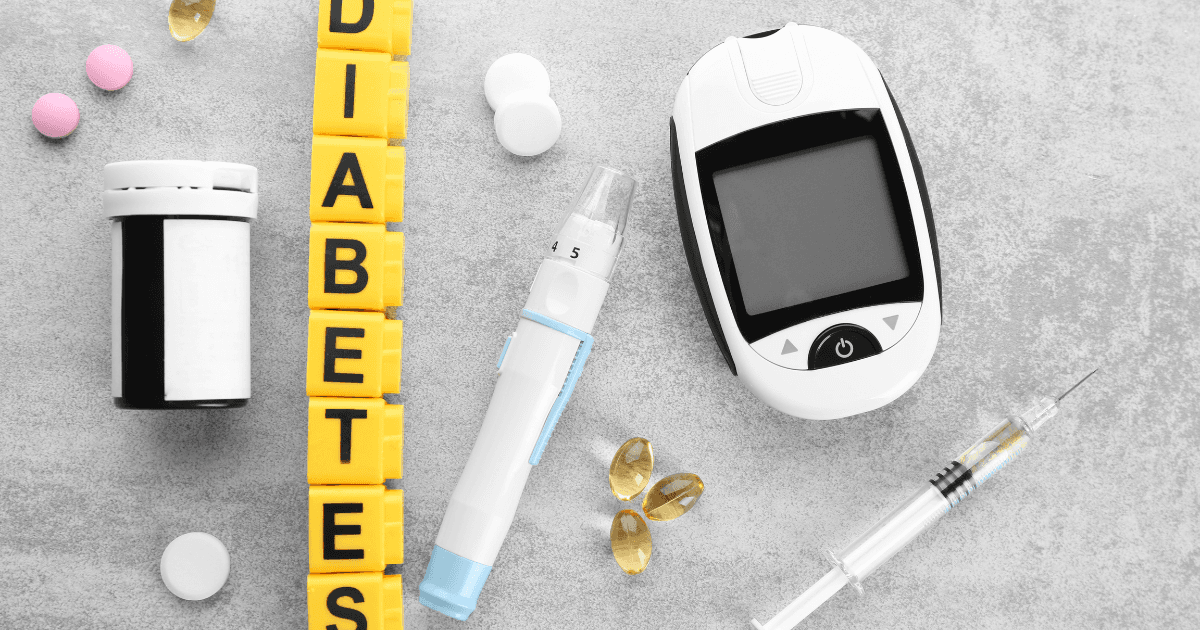


Living with diabetes is not just about controlling blood sugar — it’s about protecting your heart too. Many people are unaware that diabetes significantly increases the risk of heart disease, stroke, and other cardiovascular problems. In fact, adults with diabetes are two to four times more likely to die from heart disease than those without it.
But here’s the good news: with the right lifestyle changes, monitoring, and medical care, you can manage diabetes effectively and safeguard your heart health. This guide will help you understand the vital link between the two and give you practical, easy-to-follow tips to take control of both.
How Diabetes Affects Your Heart
Diabetes is a condition where the body either doesn’t produce enough insulin or cannot use it properly. Over time, high blood sugar levels damage blood vessels and the nerves that control your heart, leading to a range of cardiovascular problems such as:
- Coronary artery disease (CAD)
- Heart attack
- Stroke
- Peripheral arterial disease (PAD)
- Heart failure
Why the Risk is Higher
People with diabetes often have other conditions that increase the risk of heart disease:
- High blood pressure: Makes the heart work harder and damages arteries.
- High cholesterol: Leads to plaque buildup, narrowing arteries.
- Obesity: Increases strain on the heart and worsens insulin resistance.
- Inflammation: Chronic high sugar causes inflammation in blood vessels.
Important: These risk factors don’t act alone - they combine and multiply the risk, which is why managing diabetes is essential for a healthy heart.
Know Your Numbers: Key Health Metrics to Track
Keeping a close eye on certain health markers helps you prevent heart complications early. Here’s a quick overview:
- Fasting Blood Sugar: Aim for 80–130 mg/dL
- HbA1c (3-month average): Keep it below 7%
- Blood Pressure: Target should be below 130/80 mmHg
- LDL (“Bad”) Cholesterol: Below 100 mg/dL (Below 70 mg/dL if you have high heart risk)
- HDL (“Good”) Cholesterol:
- Above 50 mg/dL for women
- Above 40 mg/dL for men
- Triglycerides: Keep below 150 mg/dL
- Body Mass Index (BMI): Maintain between 18.5 and 24.9
Monitoring these regularly with your doctor’s help can make a huge difference in long-term heart and diabetes management.
Lifestyle Strategies: Your Best Tools for a Healthy Heart
You have more control over your heart health than you think. Daily choices around food, movement, stress, and sleep all play a powerful role in managing diabetes to protect your heart.
1. Eat Smart: Heart-Healthy and Diabetes-Friendly Diet
Your diet is your first line of defense. Focus on foods that keep blood sugar stable and reduce cardiovascular risk.
Best foods to include:
- Fiber-rich vegetables: Spinach, broccoli, cauliflower, leafy greens
- Whole grains: Brown rice, oats, quinoa
- Lean proteins: Fish, tofu, skinless chicken
- Healthy fats: Olive oil, avocado, nuts
- Low-GI fruits: Berries, apples, pears
Foods to limit or avoid:
- Processed foods and sugary drinks
- Red and processed meats
- Refined carbs like white bread or pastries
- High-salt packaged snacks
Pro tip: Follow the “plate method” fill half your plate with non-starchy vegetables, one-quarter with lean protein, and one-quarter with whole grains or complex carbs.
2. Stay Active: Movement is Medicine
Exercise is one of the most effective ways to improve insulin sensitivity and keep your heart strong.
Recommended activity levels:
- 150 minutes/week of moderate-intensity exercise (like brisk walking or cycling)
- 2–3 times/week of strength training to build muscle and boost metabolism
- Stretching or yoga to improve flexibility and reduce stress
Benefits of regular exercise:
- Improves blood sugar control
- Reduces blood pressure and cholesterol
- Helps maintain a healthy weight
- Strengthens the heart and improves circulation
Even small changes like walking 10 minutes after meals or using stairs instead of elevators can add up.
3. Achieve and Maintain a Healthy Weight
Carrying extra weight increases insulin resistance and puts additional strain on the heart. Even a modest weight loss of 5–7% of body weight can significantly improve blood sugar and cardiovascular health.
Tips for sustainable weight loss:
- Eat smaller, more frequent meals
- Avoid late-night snacking
- Choose water or herbal teas over sugary drinks
- Track your progress with a food and activity journal
4. Manage Stress: A Hidden Risk Factor
Chronic stress raises blood sugar and blood pressure, worsening both diabetes and heart disease risks.
Simple stress-busting strategies:
- Practice mindfulness or meditation
- Spend time in nature
- Deep-breathing exercises for 5 minutes daily
- Maintain social connections and talk about your feelings
Even short daily rituals like reading, journaling, or listening to music can lower stress hormones and support heart health.
5. Prioritize Sleep: Your Body’s Reset Button
Poor sleep disrupts blood sugar control and increases the risk of obesity and hypertension.
Healthy sleep habits:
- Aim for 7–9 hours of quality sleep each night
- Keep a consistent sleep schedule
- Avoid screens at least 1 hour before bed
- Create a dark, cool, quiet sleeping environment
6. Quit Smoking and Limit Alcohol
Smoking damages blood vessels, raises blood pressure, and makes diabetes harder to control. Similarly, excessive alcohol raises blood sugar and cholesterol levels.
- If you smoke, seek help to quit — nicotine replacement, support groups, or counseling can double your success rate.
- Limit alcohol to 1 drink per day (women) or 2 drinks per day (men) or avoid it completely if advised by your doctor.
Medical Care: Your Safety Net
Lifestyle changes are crucial, but regular medical check-ups ensure you stay on track and catch potential issues early.
Work with Your Healthcare Team
Your diabetes care plan should involve:
- Regular blood sugar monitoring and medication adjustments
- Annual cholesterol and blood pressure checks
- ECG or echocardiogram if you have existing heart risk
- Foot, eye, and kidney checks to detect early complications
Sometimes, your doctor may prescribe statins, blood pressure medicines, or aspirin for added heart protection.
Early Warning Signs You Shouldn’t Ignore
Heart disease in people with diabetes can sometimes be silent showing no clear symptoms until it’s advanced. Watch out for these warning signs:
- Chest pain or pressure
- Shortness of breath
- Dizziness or fainting
- Unusual fatigue
- Swelling in legs or ankles
If you experience any of these, seek medical help immediately.
Putting It All Together: Your Daily Checklist
Here’s a simple infographic-style checklist you can follow:
- Eat balanced, fiber-rich meals
- Exercise at least 30 minutes a day
- Check blood sugar and blood pressure regularly
- Sleep 7–9 hours nightly
- Manage stress and stay socially connected
- Quit smoking and limit alcohol
- Visit your doctor for regular check-ups
FAQs: Managing Diabetes and Heart Health
Q1: Can heart problems be reversed if I control my diabetes?
In many cases, early-stage heart disease can be slowed or even partially reversed with good diabetes control, lifestyle changes, and medication. However, prevention is always more effective than treatment.
Q2: Do I need special heart medications if I have diabetes?
Not always. Your doctor may recommend cholesterol-lowering or blood pressure medications depending on your overall risk profile. Always follow their advice and never stop medications without consulting them.
Q3: Are there specific exercises best for heart health in diabetics?
A mix of aerobic (walking, cycling), strength training, and flexibility exercises is ideal. Even daily brisk walking can significantly reduce cardiovascular risk.
Q4: How often should I get my heart checked?
At least once a year, or more often if you have existing heart risk factors or symptoms.
Final Thoughts
Managing diabetes to protect your heart isn’t about perfection - it’s about consistency. Every small step you take from eating healthier meals to walking daily or sleeping better builds a powerful defense against heart disease.
Remember, diabetes doesn’t have to define your future. With the right approach, you can lead a long, active, and heart-healthy life. Talk to your doctor, create a personalized plan, and take charge of your health starting today.