
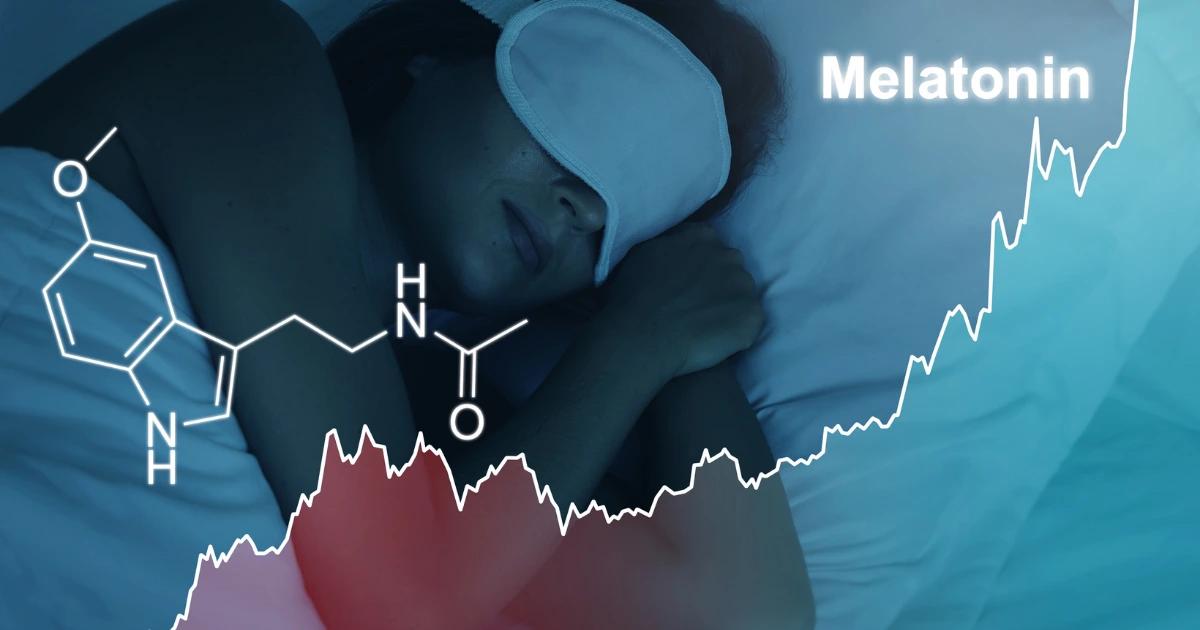


Melatonin is one of the most common sleep supplements used today. Many people take it when they have trouble falling asleep, traveling across time zones, or dealing with stress-related sleep issues. But as its usage increases, an important question is being asked more often Is melatonin safe for the heart?
While melatonin is generally considered safe for short-term sleep problems, its effect on heart health is still being studied. People with high blood pressure, irregular heartbeat, or existing heart disease often feel concerned about how a sleep supplement might affect them. Some also worry about whether daily use may influence heart rhythm or blood pressure.
In this blog, we break down what current research says, how melatonin works, its possible side effects, and when you should be careful especially if you have heart conditions. The goal is to help you make an informed decision in simple language without confusing medical terms.
How Melatonin Works in Your Body
Melatonin is a hormone produced naturally by the brain. Its main purpose is simple it helps your body understand when it is time to sleep. In a healthy sleep cycle:
- The brain releases melatonin when it gets dark
- Levels rise during nighttime
- They fall again in the morning so you can wake up
However, stress, irregular schedules, or screen time at night can interrupt this natural process. That’s why many people turn to melatonin supplements.
Besides sleep, researchers also study melatonin and heart health, because the hormone affects:
- Blood pressure regulation
- Inflammation in the body
- Stress hormone levels
- Nighttime heart rate patterns
These effects can be helpful for some people but may also cause concerns in others.
How Melatonin May Affect Your Heart
1. It Can Lower Night-Time Blood Pressure
One of the most noticeable effects of melatonin is its influence on blood pressure at night. Research suggests that it may slightly lower nighttime readings for some people due to its calming effect on blood vessels.
This can help individuals with mild stress-related pressure spikes. But for others, especially those taking high BP medicines, this drop could be too much. That is why understanding melatonin impact on blood pressure is important before using it regularly.
2. It May Influence Heart Rhythm
Some users report changes in how their heart feels when they take melatonin, especially:
- Mild palpitations
- A feeling of slow heartbeat
- Occasional fluttering
These symptoms are usually harmless and temporary. However, people who already have irregular heartbeat or rhythm disorders should be cautious. Research on sleep supplements and heart risk is still ongoing, and doctors often recommend monitoring symptoms closely.
3. It May Reduce Stress Levels
Melatonin naturally reduces stress hormones like cortisol. Lower stress can indirectly help the heart by:
- Relaxing blood vessels
- Improving sleep quality
- Reducing mental strain that affects the heart
Better sleep also allows the heart to rest and recover properly.
4. It May Affect People Differently
Some individuals respond strongly to melatonin, even at low doses. They may experience:
- Dizziness
- Morning tiredness
- Lower energy
- Headaches
- Blood pressure fluctuations
These reactions fall under the broader category of melatonin side effects and are more common when doses are higher than needed.
Is Melatonin Harmful for People with Heart Conditions?
Not always but caution is important.
Melatonin and High Blood Pressure
If you take medications for blood pressure, melatonin may interact by lowering it further at night. This is especially important for people who already experience drops in blood pressure while sleeping.
Melatonin and Arrhythmia (Irregular Heartbeat)
Some people with rhythm problems worry that melatonin can trigger palpitations. While this isn’t common, changes in heartbeat patterns have been reported in a small number of users.
Melatonin and Heart Disease
People with long-standing heart conditions should always consult a cardiologist before starting melatonin. The supplement itself may not harm the heart, but reactions depend on:
- Existing medications
- Age
- Blood pressure levels
- Sensitivity to supplements
If you want to read more about sleep-related heart symptoms, you can explore our blog on Balance Problems, Fainting, or Stiffness? When It Could Be MSA (insert internal link).
Common Side Effects of Melatonin That May Influence Heart Health
Even though melatonin is considered safe, some people experience side effects. These are usually mild but may matter if you have heart concerns:
- Morning sleepiness
- Lightheadedness
- Mild headaches
- Vivid dreams
- Temporary mood changes
- Irregular heartbeat (rare)
- Drop in nighttime blood pressure
Monitoring how your body reacts after a few days is the best way to understand whether the supplement is helping or creating discomfort.
When Melatonin Is Not Recommended
Melatonin may not be ideal for:
- Pregnant or breastfeeding women
- People with severe depression
- Individuals with autoimmune disorders
- People taking blood thinners
- Individuals with uncontrolled high blood pressure
- Patients with irregular heartbeat
In these situations, melatonin can interact with medications or affect natural hormone balance.
Safe Ways to Use Melatonin Without Harming Your Heart
If you want to try melatonin safely, follow these simple guidelines:
Start with the Lowest Dose
Most people do not need more than 0.5 mg to 1 mg. Higher doses increase the chance of side effects without improving sleep.
Avoid Taking It Too Late at Night
This may interfere with your natural sleep cycle. The best time is:
- 30 to 60 minutes before bedtime
Avoid Using It Every Day
Melatonin is best for:
- Travel
- Temporary sleep issues
- Jet lag
- Occasional stress
Daily, long-term use may make your body depend on it.
Talk to a Doctor if You Have Heart Problems
A cardiologist can guide you based on:
- Your medications
- Your blood pressure
- Your heart rhythm
- Your lifestyle
If you’re interested in improving heart health naturally, you can also read our blog on Best Cooking Oils for a Healthy Heart (insert internal link).
Healthy Alternatives to Melatonin for Better Sleep
If you are worried about how melatonin affects your heart, there are safer options to improve sleep naturally:
- Maintain a fixed sleep schedule
- Reduce caffeine after 4 pm
- Limit screen time before bed
- Create a calming bedtime routine
- Keep your room cool and dark
- Avoid heavy meals late at night
- Practice deep breathing
- Take short evening walks
These habits improve sleep without needing supplements.
When Should You Seek Medical Help?
Talk to a doctor if you experience:
- Persistent palpitations
- Chest discomfort
- Extreme fatigue
- Severe dizziness
- Sudden changes in blood pressure
- Difficulty breathing at night
These may or may not be linked to melatonin but should always be checked.
Frequently Asked Questions (FAQs)
1. Can melatonin increase heart rate?
Not commonly, but a few people experience mild palpitations.
2. Is melatonin safe for people with high blood pressure?
It may lower nighttime BP slightly. Speak to a doctor if you already take BP medicines.
3. Can melatonin interact with heart medications?
Yes. It may interact with blood thinners, BP medicines and rhythm medications.
4. Does melatonin help the heart by reducing stress?
Better sleep may reduce stress on the heart indirectly.
5. Is it okay to take melatonin daily?
Short-term daily use is fine, but long-term use should be discussed with a doctor.
Conclusion
Melatonin is a helpful supplement for temporary sleep problems, but its effects on the heart deserve attention especially for people with high blood pressure, palpitations or heart disease. While most people use melatonin safely, some may experience changes in blood pressure or heartbeat, making it essential to monitor your body’s response.
The smartest approach is to start with a low dose, use it only when needed and consult a heart specialist if you already have a heart condition. A good night’s sleep is important, but ensuring your heart stays safe is even more important.