
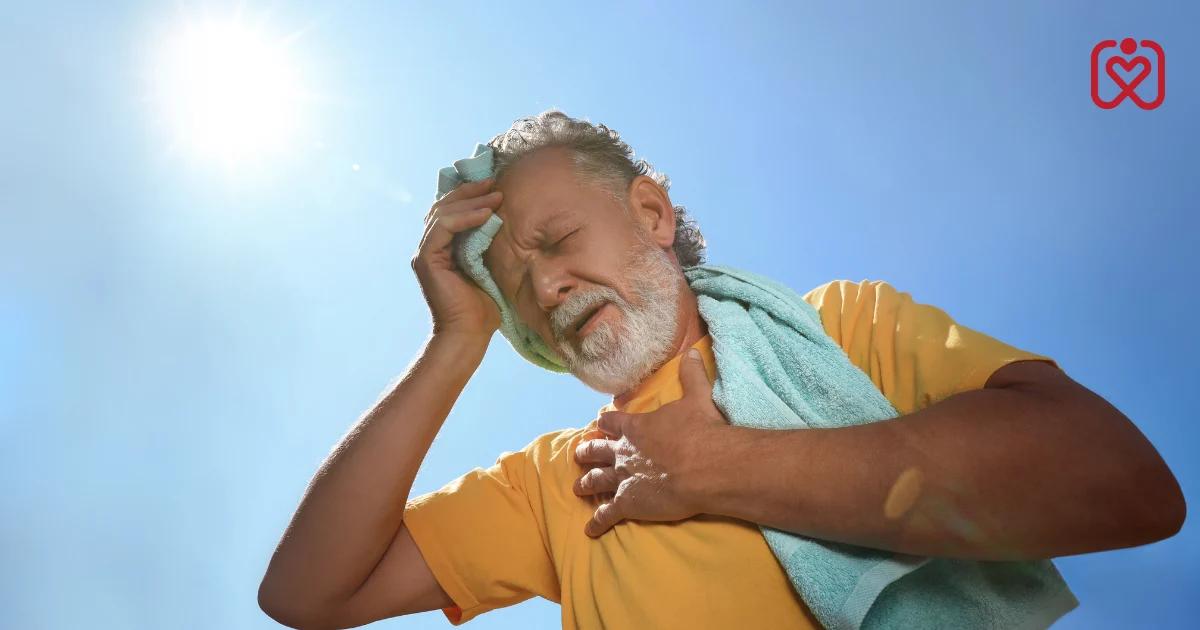


Rising temperatures are becoming a serious health concern across the world. Summers are getting longer, hotter, and more dangerous especially for people with existing health conditions. While many people worry about dehydration or heatstroke, fewer realize how strongly Heat Waves can affect the heart.
Extreme heat forces the body to work harder to stay cool. This increases stress on the cardiovascular system and may trigger serious complications in vulnerable individuals. Older adults, people with high blood pressure, diabetes, obesity, or previous heart disease are especially at risk.
Understanding how high temperatures impact the body can help you stay safe and protect your heart during extreme weather conditions.
Why Hot Weather Is Dangerous for the Heart
The body naturally tries to maintain a stable internal temperature. During extremely hot weather, it cools itself by sweating and increasing blood flow to the skin.
To do this, the heart must:
- Pump blood faster
- Work harder to maintain circulation
- Support fluid balance in the body
When temperatures remain very high for several days, this added stress may become dangerous especially for people with cardiovascular problems.
The American Heart Association warns that extreme heat can increase the risk of heart-related emergencies.
How Heat Affects the Cardiovascular System
High temperatures can trigger several changes inside the body that affect heart function.
Increased Heart Rate
- The heart beats faster to help cool the body.
Dehydration
- Excess sweating reduces fluid levels, making blood thicker and harder to pump.
Blood Pressure Changes
- Some people experience low blood pressure due to fluid loss, while others may see sudden fluctuations.
Electrolyte Imbalance
- Loss of sodium and potassium may affect heart rhythm.
These changes may increase the risk of complications in people with existing heart conditions.
Who Is Most at Risk During Heat Waves?
Certain groups are more vulnerable to heat-related cardiovascular stress.
Older Adults
- The body becomes less efficient at regulating temperature with age.
People With Heart Disease
- Existing heart conditions make it harder to handle extra strain.
Individuals With High Blood Pressure
- Some blood pressure medicines can affect hydration levels.
Diabetic Patients
- Diabetes can impair sweating and circulation.
Outdoor Workers
- Long exposure to sunlight increases dehydration risk.
The Centers for Disease Control and Prevention (CDC) identifies these groups as high-risk populations during extreme heat events.
Warning Signs Your Heart May Be Struggling in the Heat
Many people ignore early symptoms until the condition becomes severe.
Watch for signs such as:
- Chest discomfort
- Rapid heartbeat
- Dizziness or fainting
- Unusual fatigue
- Breathlessness
- Severe sweating or lack of sweating
- Swollen feet or ankles
If these symptoms occur, immediate medical attention may be necessary.
You can also read our guide on 5 Heart Symptoms That Feel Minor But Need Urgent Tests.
Can Heat Waves Trigger Heart Attacks?
Yes, extremely hot weather can increase the risk of heart attacks in vulnerable individuals.
This happens because:
- The heart works harder to cool the body
- Dehydration thickens the blood
- Blood vessels may become stressed
- Existing plaque in arteries may become unstable
People with uncontrolled blood pressure, smoking habits, or blocked arteries may face higher risk during prolonged heat exposure.
The Hidden Risk of Dehydration
Dehydration is one of the biggest dangers during hot weather.
When the body loses too much fluid:
- Blood volume drops
- The heart pumps harder
- Blood pressure may become unstable
- Kidney function may be affected
Even mild dehydration can increase cardiovascular strain in older adults and heart patients.
Signs of Dehydration
- Dry mouth
- Dark urine
- Weakness
- Headache
- Muscle cramps
Staying hydrated is one of the simplest ways to reduce heat-related health risks.
Medications and Heat Sensitivity
Some commonly used medicines can make the body more sensitive to high temperatures.
These include:
- Diuretics (“water pills”)
- Blood pressure medicines
- Certain heart medications
- Diabetes medications
These drugs may increase fluid loss or affect the body’s cooling system.
Patients should never stop medicines on their own but should discuss precautions with their doctor during extreme summer conditions.
Simple Ways to Protect Your Heart During Extreme Heat
Small preventive steps can make a major difference.
Stay Hydrated
- Drink water regularly, even if not thirsty
- Avoid excessive caffeine and alcohol
Avoid Peak Heat Hours
- Stay indoors between late morning and afternoon
Wear Light Clothing
- Loose, breathable clothes help cooling
Use Fans or Air Conditioning
- Keep indoor spaces cool whenever possible
Avoid Heavy Physical Activity
- Reduce intense exercise during very hot days
Eat Light Meals
- Heavy meals increase body heat production
These habits help reduce stress on the heart and maintain body balance.
You may also explore our article on Heart-Healthy Lifestyle Habits.
How Heat Affects People With High Blood Pressure
Hot weather can create challenges for blood pressure control.
Some people may experience:
- Sudden drops in blood pressure
- Dizziness while standing
- Faster heartbeat
- Medication-related dehydration
Regular monitoring becomes especially important during summer months.
Patients should:
- Check blood pressure regularly
- Stay hydrated
- Avoid missing medications
- Speak with their doctor if symptoms worsen
Are Younger People Also at Risk?
Although older adults face greater risk, younger individuals are not completely safe.
Young adults may also experience complications due to:
- Outdoor sports or exercise
- Dehydration
- Excessive energy drink intake
- Poor sleep and heat exposure
This is especially important for athletes and outdoor workers.
Heat Exhaustion vs Heat Stroke
Understanding the difference can save lives.
Heat Exhaustion
Symptoms include:
- Heavy sweating
- Weakness
- Nausea
- Dizziness
Heat Stroke
This is a medical emergency and may include:
- Confusion
- High body temperature
- Loss of consciousness
- Dry skin or stopped sweating
Immediate medical care is essential in suspected heat stroke cases.
Why Climate Change Matters for Heart Health
As global temperatures rise, heat-related health problems are becoming more common.
Longer and more frequent periods of extreme heat may increase:
- Cardiovascular hospitalizations
- Heart attack risk
- Dehydration-related emergencies
This makes awareness and prevention even more important in the coming years.
When Should You Seek Medical Help?
Consult a doctor immediately if you experience:
- Chest pain
- Severe breathlessness
- Fainting
- Irregular heartbeat
- Confusion or extreme weakness
Do not ignore symptoms during extremely hot weather, especially if you already have heart disease.
Conclusion
Heat Waves are no longer just seasonal discomforts they are becoming a serious public health concern. Extreme heat places additional strain on the cardiovascular system, especially in older adults and people with existing health conditions.
The good news is that many heat-related heart problems can be prevented with simple precautions. Staying hydrated, avoiding excessive heat exposure, monitoring symptoms, and following medical advice can significantly reduce risk.
As temperatures continue to rise, protecting your heart during hot weather is becoming more important than ever.
FAQs
1. Can hot weather affect the heart?
Yes. Extreme heat increases stress on the cardiovascular system.
2. Why does dehydration affect heart health?
It makes the heart work harder and may affect blood pressure.
3. Are heart patients more vulnerable during heat waves?
Yes. Existing heart disease increases risk during extreme heat.
4. Can heat trigger a heart attack?
In some high-risk individuals, prolonged heat exposure may contribute to heart emergencies.
5. How much water should I drink in summer?
Fluid needs vary, but regular hydration throughout the day is important.