
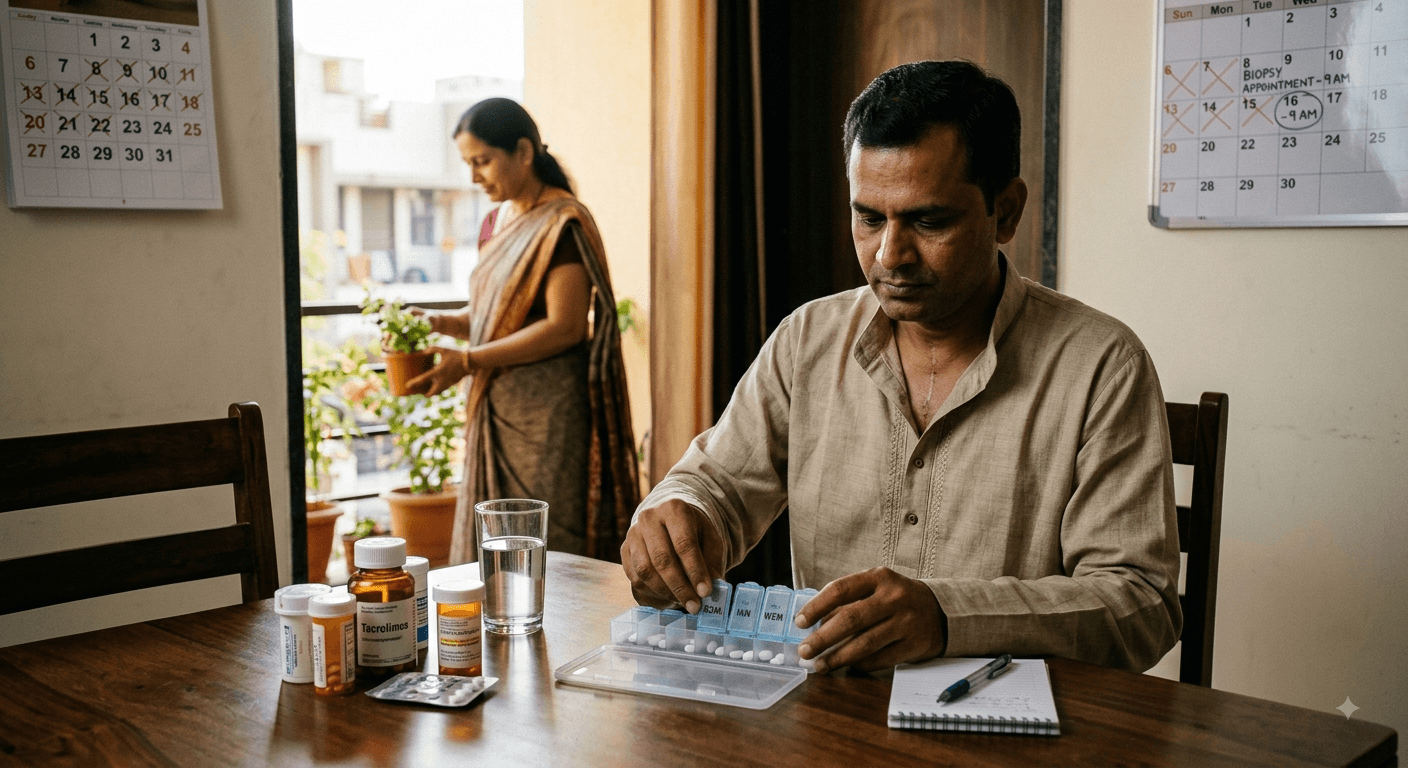


A heart transplant is often described as a second chance at life and for patients with end-stage heart failure, it truly can be. But the surgery itself is only the beginning. What follows is a lifelong journey of careful monitoring, daily medications, and lifestyle adjustments that make the difference between simply surviving and truly thriving with a new heart. In this blog, we'll walk through what life after a heart transplant actually looks like, from the first weeks of recovery to long-term outcomes.
The First Few Weeks: Immediate Recovery
After surgery, most patients spend about 5 days in the ICU, followed by another 7–10 days in a regular hospital recovery room before going home. During this time, your care team focuses on:
- Monitoring your new heart's function closely
- Starting you on immunosuppressant (anti-rejection) medications
- Performing regular heart biopsies to check for early signs of rejection
- Helping you begin light physical activity to prevent complications like blood clots
Fact: Heart biopsies are typically done weekly for the first month after transplant, since this is the most reliable way doctors can catch early rejection before symptoms even appear (source: UPMC).
Life-Long Medications: The Non-Negotiable Part
Why It's Important: Your immune system's job is to attack anything it perceives as foreign including your new donor heart. Immunosuppressant medications must be taken every single day, for the rest of your life, to prevent this from happening.
What You Can Do:
- Never skip or adjust your anti-rejection medication dose without your transplant team's guidance - our detailed guide on how to take heart medicines safely covers habits that apply doubly here.
- Avoid over-the-counter medicines or herbal supplements unless your transplant team has specifically cleared them, since many can interact with immunosuppressants.
- Keep every follow-up appointment and blood test, even once you're feeling completely well.
Watching for Signs of Rejection and Infection
Because immunosuppressants weaken your immune system's ability to fight off both organ rejection and everyday infections, knowing the warning signs is critical.
Signs That May Indicate Rejection
- Unusual fatigue or weakness
- Shortness of breath
- Swelling in the legs or abdomen
- Weight gain from fluid retention
- Fever
Signs That May Indicate Infection
- Fever or chills
- Redness, swelling, or drainage at the incision site
- Persistent cough or sore throat
- Unusual tiredness
What You Can Do:
- Contact your transplant team immediately if you notice any of these signs rather than waiting to "see if it passes."
- Rejection is often caught through routine biopsies before you'd even notice symptoms - this is exactly why follow-up visits can't be skipped.
How Long Can You Live After a Heart Transplant?
Survival rates have improved significantly over the decades thanks to better matching, surgical techniques, and anti-rejection medications.
- Around 85-90% of patients survive the first year after transplant.
- Roughly 7 in 10 patients are still living at the 5-year mark.
- More than 5 in 10 patients live 10 years or longer, with many living considerably longer and enjoying a good quality of life.
Indian Context: Heart transplantation remains severely limited in India relative to need -
the country performed only around 250 heart transplants in the entire year of 2022, while the National Organ and Tissue Transplant Organisation (NOTTO) estimates that at least 50,000 hearts are needed annually. This gap highlights both the importance of organ donation awareness and why patients on the waitlist should stay closely engaged with their transplant center while waiting.
Returning to Daily Life
H3-style breakdown:
- Physical activity: Most patients gradually return to light exercise and daily activities within a few months, guided by a cardiac rehabilitation program. Our guide on what cardiac rehabilitation involves explains what this structured recovery process typically looks like.
- Work and routine: Many patients can return to work and most normal activities within a few months, depending on their recovery and job demands.
- Diet: A heart-healthy, low-sodium diet is usually recommended, along with food safety precautions since immunosuppressants raise infection risk from certain foods.
- Sexual activity: Most transplant teams advise waiting until the incision has fully healed, generally around 12 weeks post-surgery, before resuming sexual activity.
- Family planning: Certain immunosuppressant medications can affect pregnancy safety, so anyone considering pregnancy after a transplant should discuss medication adjustments with their doctor well in advance.
Emotional Wellbeing After a Transplant
Living with a donor heart can bring complex emotions - gratitude, anxiety about rejection, or even guilt tied to another person's loss. These feelings are common and valid. Many transplant centers offer counseling or support groups specifically for transplant recipients, and leaning on this support can be just as important as the physical side of recovery.
In Conclusion
Life after a heart transplant is a long-term partnership between the patient and their care team - one built on daily medication discipline, vigilance for warning signs, and consistent follow-up care. With today's advances, the majority of heart transplant recipients go on to live full, active years with a good quality of life, but that outcome depends heavily on staying committed to the routine that protects the new heart.
Key Takeaways
- Anti-rejection (immunosuppressant) medications must be taken every day, for life this is the single most important factor in long-term success.
- Regular biopsies and follow-up visits often catch rejection before any symptoms appear.
- 85–90% of patients survive the first year, and over half live 10+ years after transplant.
- Watch for fatigue, breathlessness, swelling, or fever, and contact your transplant team immediately if these appear.
- In India, heart transplants remain rare relative to need, making organ donation awareness and consistent post-transplant care especially important.
- Emotional support and cardiac rehabilitation are as much a part of recovery as medication.
References
- Temple Health: Life After Your Heart Transplant: Recovery, Care and Outcomes
- UPMC: Heart Transplant: What to Expect Before, During, and After
- Northwestern Medicine: Heart Transplantation Recovery
- Indian Journal of Transplantation: Current Status, Challenges, and Solutions for Heart Transplantation in India