
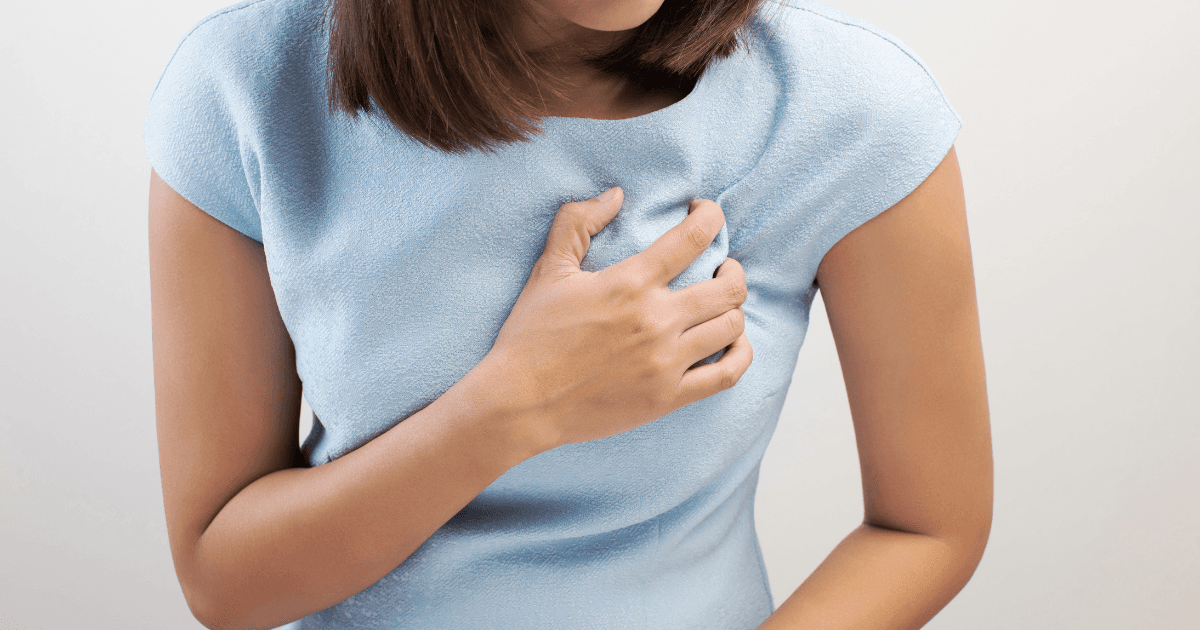


Heart disease is often thought of as a man’s disease. But this assumption can be dangerously misleading. Women and heart disease is a critical public health issue in India and globally, yet the signs in women are frequently overlooked or misdiagnosed.
Heart disease is also one of the leading cause of death among women, but many women are unaware of their risk. This blog explores how heart disease affects women differently, the subtle symptoms they may experience, and what they can do to protect their heart.
How Common Is Heart Disease in Women?
While awareness has improved, many women still underestimate their risk.
Alarming Facts:
- Cardiovascular disease kills more women than all cancers combined.
- Women often develop heart disease 7–10 years later than men but the outcomes are often worse.
- In India, women are 3 times more likely to die after a heart attack than men.
Learn more about preventive strategies in our blog on How to Prevent Heart Disease: Lifestyle Tips That Work.
Why Are Symptoms Often Missed in Women?
Women may experience different or less obvious symptoms than men. This often leads to delayed treatment.
Atypical Heart Attack Symptoms in Women:
- Shortness of breath (even without chest pain)
- Nausea or vomiting
- Unexplained fatigue
- Pain in jaw, neck, shoulder, or back
- Dizziness or light-headedness
- Anxiety or sense of doom
These symptoms are easily mistaken for indigestion, flu, or stress especially in younger or otherwise healthy women.
Risk Factors Specific to Women
While both men and women share common risk factors, some are unique to or more prominent in women.
Unique or Amplified Risk Factors:
- Polycystic Ovary Syndrome (PCOS)
- Early menopause
- Pregnancy complications (e.g., preeclampsia, gestational diabetes)
- Autoimmune diseases (like lupus and rheumatoid arthritis)
- Emotional stress and depression
Women are also more likely to have silent heart disease, blockages that don’t show up clearly on tests or cause typical chest pain.
Lifestyle Habits That Increase Risk
Modern lifestyles can intensify risk factors for women, especially urban Indian women.
Risky Habits:
- Sedentary lifestyle due to desk jobs or caregiving roles
- High intake of processed or high-sodium foods
- Excessive stress from work-life imbalance
- Irregular health checkups
- Smoking and alcohol (increasing among women in metros)
When Should Women See a Cardiologist?
It’s important not to wait for chest pain or a dramatic symptom to seek help.
Red Flags:
- Persistent fatigue with minimal exertion
- Unusual breathlessness
- New, unexplained pain in the upper body
- Swelling in legs or feet
- Feeling unusually anxious or light-headed
Get clarity from our related blog: When to See a Cardiologist: Red Flags You Shouldn’t Miss.
How Diagnosis Differs in Women
Doctors are increasingly trained to consider non-typical symptoms in women. However, standard tests may still miss early warning signs.
Diagnostic Tools:
- Stress echo or MRI may be needed instead of standard treadmill test
- Coronary angiography is often necessary to confirm blockages
- Hormone levels and inflammatory markers may provide additional insights
Women should be proactive about getting second opinions if symptoms persist without explanation.
Prevention Strategies for Women
Prevention is the most powerful tool women have to reduce heart disease risk.
Diet and Lifestyle Tips:
- Choose heart-healthy oils (mustard, olive, groundnut)
- Include more fruits, vegetables, and whole grains
- Reduce salt and sugar consumption
- Limit red meat and full-fat dairy
- Incorporate yoga or walking into daily routine
- Get 7–8 hours of sleep
Learn more in Best Foods for a Healthy Heart: Doctor-Recommended Diet Plan.
Medical Screening:
- Get blood pressure checked yearly from age 30
- Check lipid profile every 3-5 years
- Screen for diabetes, especially with family history
- Track menstrual changes or hormonal imbalances
- Request advanced heart tests if symptoms are unexplained
The Role of Mental Health in Heart Risk
Depression and anxiety are stronger predictors of heart disease in women than in men.
Key Points:
- Women are more likely to experience chronic stress
- Emotional suppression may mask early symptoms
- Lack of social support post-menopause can affect heart recovery
Mindfulness, therapy, and support groups can reduce long-term cardiovascular risk.
FAQs: What Women Often Ask About Heart Disease
1. Can heart disease occur without chest pain?
Yes. Women may have fatigue, jaw pain, or breathlessness instead.
2. Is heart disease only a post-menopausal concern?
No. Young women with PCOS, diabetes, or family history are also at risk.
3. Can birth control pills affect heart health?
They can increase risk slightly, especially in smokers or women over 35.
4. Is stress a bigger heart risk for women?
Yes. Stress-related hormone surges affect women’s hearts more severely.
5. Can pregnancy increase future heart risk?
Yes. Preeclampsia or gestational diabetes significantly increase future cardiovascular risk.
Final Thoughts: Don't Ignore the Signs
Women and heart disease is an under-recognized epidemic. Being aware of unique symptoms and risk factors is essential.
No one knows your body better than you. If something feels wrong even if tests come back normal listen to your instincts. Seek a second opinion and demand thorough evaluations.
Women often prioritize family and career over health. It’s time to put your heart first.