
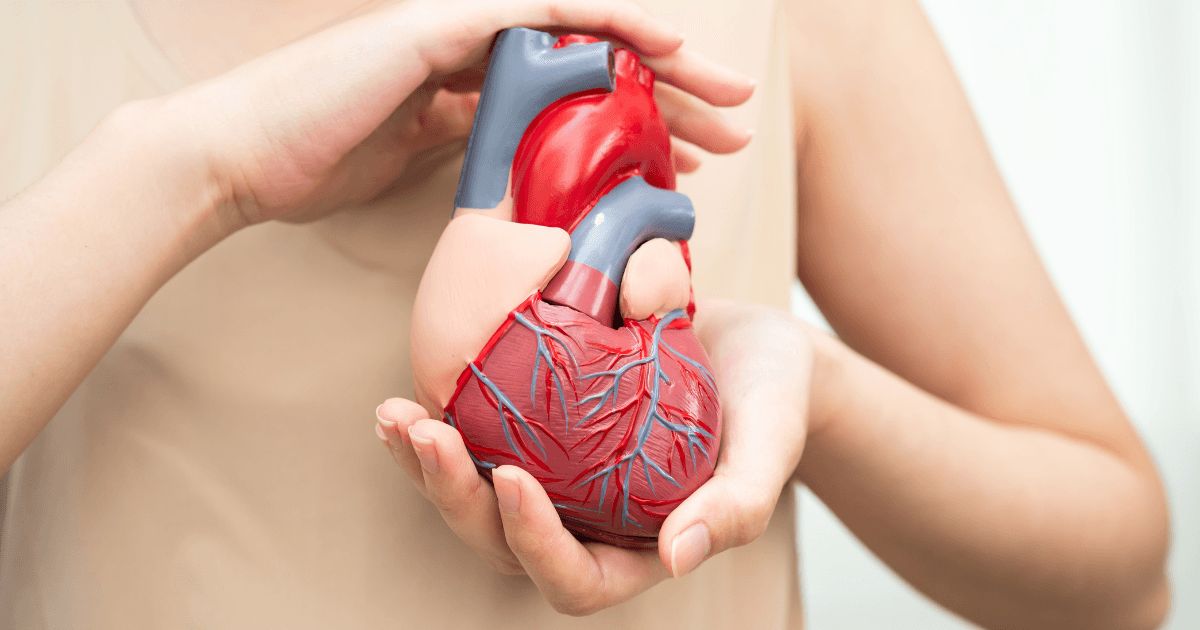


Heart disease remains one of the leading causes of death worldwide, yet misconceptions about its causes, symptoms, and prevention are common. Believing myths about heart disease can prevent people from taking the right steps to protect their heart. Understanding the truth empowers individuals to make informed lifestyle choices and seek timely medical care.
This guide debunks the top 10 myths about heart disease, providing clear, science-backed facts for better heart health.
Myth 1: Heart Disease Only Affects Men
The Truth:
- Heart disease is the leading cause of death for both men and women.
- Women may experience different symptoms, such as fatigue, nausea, and jaw or back pain.
- Awareness campaigns now emphasize that women need heart protection too.
Tip: Women should have regular check-ups and monitor blood pressure, cholesterol, and lifestyle habits.
Myth 2: Heart Attacks Are Always Sudden and Severe
The Truth:
- Heart attacks can develop gradually, sometimes starting with mild discomfort or fatigue.
- Symptoms can include shortness of breath, lightheadedness, or mild chest pressure.
- Immediate action is critical even if symptoms seem minor.
Tip: Never ignore persistent or unusual chest discomfort—early intervention saves lives.
Myth 3: Young People Don’t Get Heart Disease
The Truth:
- While risk increases with age, heart disease can occur in young adults, especially with risk factors like obesity, smoking, diabetes, or family history.
- Early lifestyle interventions, like regular exercise and a balanced diet, are essential.
Tip: Young adults should get regular check-ups and maintain a heart-healthy lifestyle.
Myth 4: Only Obese People Are at Risk
The Truth:
- Heart disease can affect people of all body types.
- Normal-weight individuals can have high cholesterol, high blood pressure, or diabetes—all increasing heart risk.
- Focusing on overall health, not just weight, is important.
Tip: Maintain a healthy lifestyle regardless of body size—exercise, diet, and stress management matter most.
Myth 5: Heart Disease Symptoms Are Always Obvious
The Truth:
- Many heart problems, like high blood pressure or atherosclerosis, develop silently.
- People may feel fine until a major event occurs.
- Regular screenings can detect risks before symptoms appear.
Tip: Schedule routine check-ups for blood pressure, cholesterol, and glucose monitoring.
Myth 6: Exercise Isn’t Necessary If You Don’t Have Symptoms
The Truth:
- Exercise strengthens the heart, improves circulation, lowers cholesterol, and reduces blood pressure.
- Even without symptoms, sedentary behavior increases heart disease risk.
- Aim for at least 150 minutes of moderate aerobic activity per week.
Tip: Include walking, swimming, cycling, or other enjoyable activities daily.
Myth 7: Heart Disease Is Only About the Heart
The Truth:
- Heart disease affects the whole body.
- Poor cardiovascular health can lead to kidney problems, stroke, or vascular disease in the legs.
- A holistic approach is needed for prevention.
Tip: Focus on overall cardiovascular health—diet, exercise, sleep, and stress management.
Myth 8: Heart Medications Are Always Harmful
The Truth:
- Modern heart medications, when prescribed and monitored by a doctor, are safe and life-saving.
- Medications help control blood pressure, cholesterol, and prevent blood clots.
- Stopping medications without guidance can increase risk of heart attack or stroke.
Tip: Take medications as prescribed and discuss side effects with your healthcare provider.
Myth 9: Heart Disease Can’t Be Prevented
The Truth:
- Lifestyle changes can dramatically reduce heart disease risk:
Key Preventive Steps:
- Balanced diet rich in fruits, vegetables, whole grains, lean proteins, and healthy fats
- Regular physical activity
- Maintaining healthy weight
- Avoiding tobacco and limiting alcohol
- Stress management and adequate sleep
- Early detection and management of risk factors like hypertension or diabetes are also crucial.
Myth 10: Only Chest Pain Means a Heart Problem
The Truth:
- Heart problems can present as fatigue, shortness of breath, dizziness, nausea, or discomfort in the jaw, back, or arm.
- Especially in women and older adults, non-chest symptoms are common.
Tip: Learn all possible warning signs and seek immediate medical attention if unsure.
FAQs: Myths About Heart Disease
Q1: Can lifestyle alone prevent heart disease?
While lifestyle changes significantly reduce risk, genetics and other factors can still play a role. Regular check-ups and monitoring remain important.
Q2: Are heart disease symptoms the same for everyone?
No. Symptoms vary by age, gender, and health status. Women often experience atypical symptoms like nausea or jaw pain.
Q3: Can stress cause heart disease?
Chronic stress can contribute to high blood pressure, inflammation, and other risk factors, increasing heart disease risk.
Q4: Is it too late to prevent heart disease later in life?
No. Even after age 50, lifestyle changes, medications, and routine check-ups can improve heart health and reduce risk.
Q5: Do only unhealthy foods cause heart disease?
Heart disease is influenced by overall lifestyle, including diet, physical activity, smoking, stress, and genetics, not just occasional indulgence.
Conclusion
Believing myths about heart disease can be dangerous, delaying prevention, diagnosis, and treatment. By understanding the truth behind common misconceptions, you can make informed choices to protect your heart.
From recognizing subtle symptoms to adopting a heart-healthy lifestyle, awareness is the first step in reducing cardiovascular risk. Take control of your heart health today, your future self will thank you.