
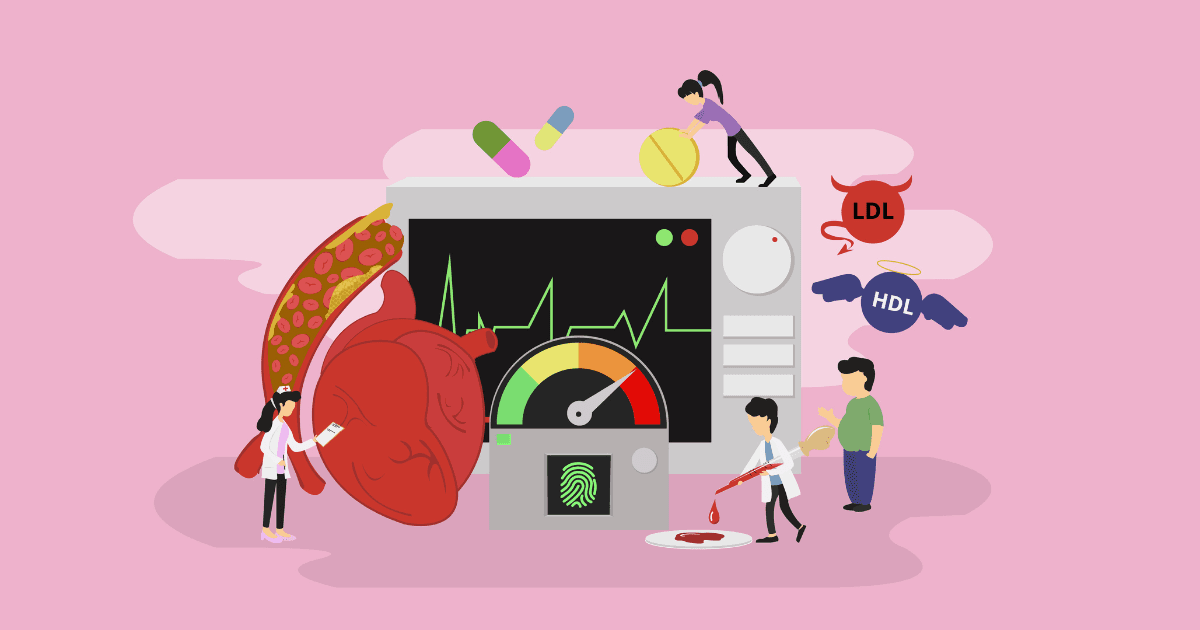


Your heart is the engine of your body, pumping blood and nutrients to every organ. Yet, many people neglect routine heart checkups until symptoms arise. Heart disease often develops silently, making preventive screening essential. Regular heart checkups help detect early signs of cardiovascular problems, allowing timely intervention and healthier outcomes.
Why Regular Heart Checkups Matter
Heart disease is one of the leading causes of death worldwide. Many risk factors like high blood pressure, high cholesterol, diabetes, obesity, and lifestyle habits contribute to heart problems.
Benefits of Regular Heart Checkups:
- Early detection: Identifies problems before symptoms appear
- Risk assessment: Determines your chance of developing heart disease
- Prevention guidance: Doctors can recommend lifestyle or medical interventions
- Peace of mind: Reduces anxiety by knowing your heart health status
How Often Should You Get a Heart Checkup?
The frequency of heart checkups depends on age, medical history, and risk factors.
General Guidelines:
- Adults under 40:
- Every 3-5 years if no risk factors
- More frequent if family history or lifestyle risks exist
- Adults 40-50 years:
- Every 2-3 years
- Include blood pressure, cholesterol, and diabetes screening
- Adults 50+ years:
- Annually or as recommended by a doctor
- Full cardiovascular evaluation recommended
High-Risk Individuals:
People with diabetes, obesity, smoking history, high blood pressure, or family history of heart disease may need checkups every 6–12 months.
Essential Components of a Heart Checkup
A comprehensive heart checkup includes multiple tests and evaluations to assess your cardiovascular health.
Key Tests and Examinations:
- Blood Pressure Measurement: Detects hypertension
- Cholesterol Profile: LDL, HDL, triglycerides, total cholesterol
- Blood Sugar Test: Diabetes or prediabetes screening
- Electrocardiogram (ECG): Checks heart rhythm abnormalities
- Echocardiogram: Assesses heart structure and pumping ability
- Stress Test: Evaluates how the heart performs under physical exertion
- Coronary Calcium Scan: Detects plaque buildup in arteries
Tip: Discuss with your doctor which tests are necessary based on your age and risk factors.
Lifestyle Tips Between Heart Checkups
Regular checkups are crucial, but maintaining heart health requires daily attention.
Heart-Healthy Habits:
- Balanced Diet: Include whole grains, fruits, vegetables, lean protein, and healthy fats
- Regular Exercise: At least 150 minutes of moderate activity per week
- Quit Smoking: Avoid tobacco in all forms
- Limit Alcohol: Keep within recommended guidelines
- Manage Stress: Practice meditation, yoga, or hobbies
- Maintain Healthy Weight: Reduces strain on the heart
Signs You Should Get a Heart Checkup Immediately
Even if your routine checkup schedule isn’t due, certain symptoms warrant immediate attention:
- Chest pain or discomfort
- Shortness of breath
- Palpitations or irregular heartbeat
- Dizziness or fainting
- Swelling in legs or feet
- Unexplained fatigue
Early detection can prevent serious complications, including heart attack or stroke.
FAQs About Heart Checkups
Q1: What age should I start getting heart checkups?
Most adults should start basic cardiovascular screenings in their 20s or 30s, with more comprehensive evaluations after 40.
Q2: Are heart checkups painful or risky?
Most heart checkup tests are non-invasive and painless. Some tests like stress tests may require exertion but are generally safe under medical supervision.
Q3: How do I know which tests I need?
Your doctor will recommend tests based on age, medical history, family history, and lifestyle factors.
Q4: Can regular checkups prevent heart disease?
While checkups alone do not prevent heart disease, they enable early detection and intervention, which significantly lowers risk.
Q5: How long does a typical heart checkup take?
A standard heart evaluation can take 30 minutes to 1 hour, but full diagnostic tests may require additional time.
Conclusion
Regular heart checkups are essential for maintaining cardiovascular health, preventing serious complications, and ensuring a long, active life. The frequency of checkups should be personalized based on age, risk factors, and overall health. Alongside checkups, a healthy lifestyle and proactive management of risk factors create the best defense for your heart.
Remember, prevention and early detection are always better than treatment after disease onset. Make heart checkups a routine part of your healthcare plan and take proactive steps to protect your most vital organ.